



































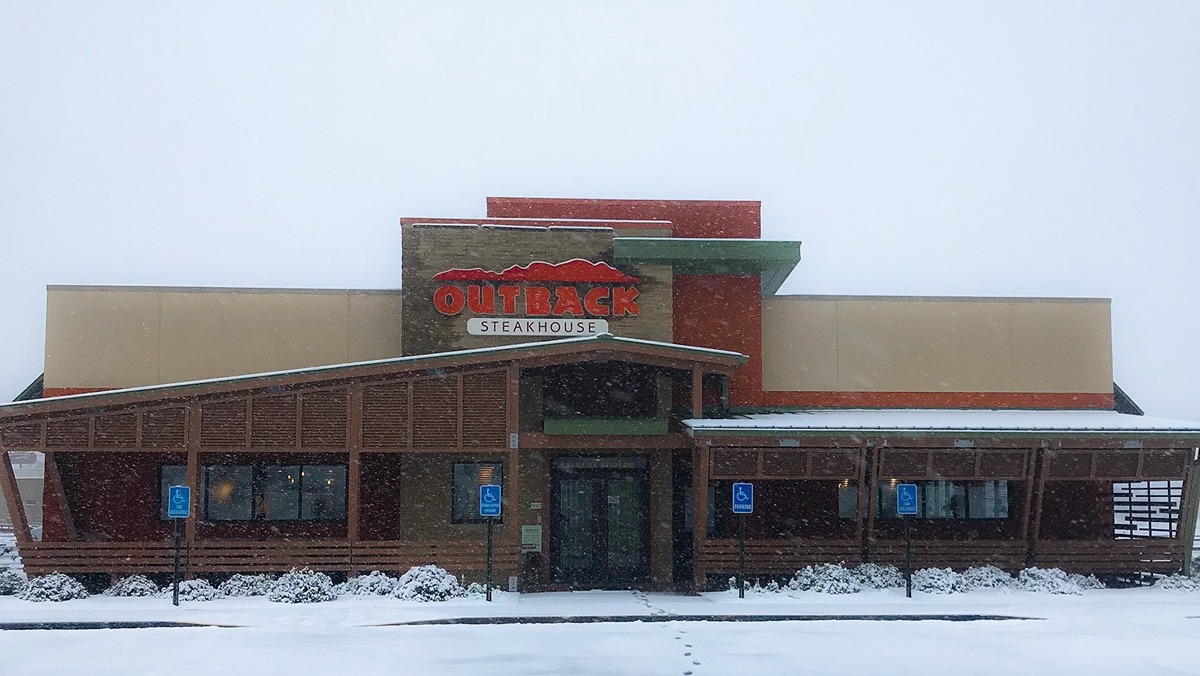
Rising costs and a challenging economic landscape are compelling U.S. restaurant brands to take decisive action to maintain profitability. Among those making significant changes is Bloomin’ Brands, the parent company of Outback Steakhouse, which has announced a strategy to close over 40 locations. This move aims to streamline operations and reduce losses as the company focuses on enhancing its remaining restaurants.
Significant Changes Ahead for Outback Steakhouse
Outback Steakhouse has been a popular choice for diners seeking casual steakhouse fare. However, the brand is set to undergo major transformations as part of Bloomin’ Brands’ turnaround strategy. Following the release of its 2025 Q3 financial report, the company revealed plans to close underperforming locations to fortify its flagship brand.
Outback Steakhouse will see the immediate closure of 21 locations, with another 20 restaurants scheduled to shut down as their leases expire and are not renewed. This decision is rooted in a strategic focus on eliminating weaker units to boost the performance of the remaining restaurants.
Investments in the Future of Remaining Locations
Despite these closures, more than 600 Outback Steakhouse locations will continue to operate. The company intends to revitalize these restaurants through significant investment in steak quality, service training, and marketing initiatives. Millions of dollars will be directed towards enhancing food quality, customer service, and restaurant interiors.
The remodeling efforts aim to improve the overall customer experience, ensuring that patrons receive better service and enjoy a refreshed dining atmosphere. Bloomin’ Brands plans to implement these upgrades across all remaining locations by 2028. While it may take time for customers to notice these changes, they are deemed essential for long-term success.
In addition to the closures, Bloomin’ Brands has suspended dividends to conserve cash for these investments. The company’s commitment to revitalizing Outback Steakhouse reflects its focus on sustainable growth in an evolving market. As the restructuring unfolds, the effectiveness of these changes in improving the brand’s standing will be closely monitored by both industry analysts and loyal customers.
