



































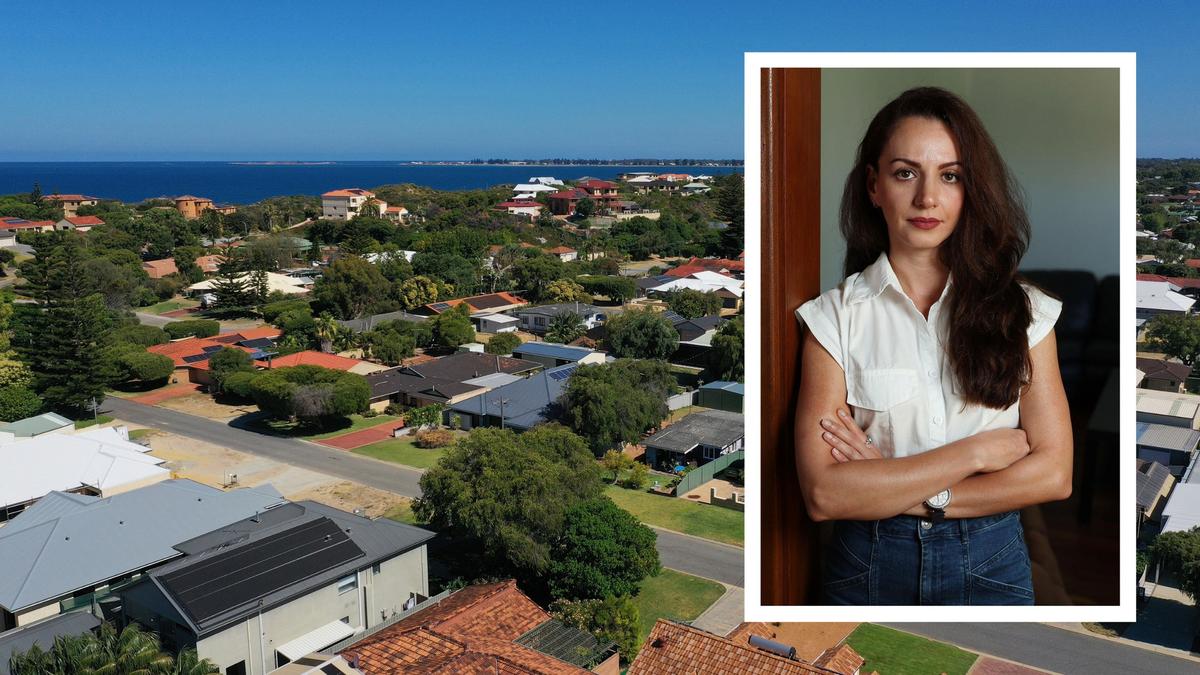
Perth’s real estate market is experiencing unprecedented challenges as the number of houses and units for sale has plummeted to an all-time low. By the end of December 2025, Greater Perth recorded just 1,881 listings, consisting of 1,148 houses, 409 units, and 324 parcels of land. This marks a significant decline from the 4,395 listings available a year earlier, with current house availability down 59 percent compared to December 2024 and 84 percent from six years ago.
The dwindling inventory has led to intense competition among buyers, driving prices higher and making homeownership increasingly unattainable for younger West Australians. According to Suzanne Brown, the CEO of the Real Estate Institute of WA (REIWA), if the current market conditions persist into 2026, prices could rise by more than 10 percent. “We have seen a return of FOMO (fear of missing out), with strong competition for homes and sales occurring well above the asking prices,” Brown stated.
In December, houses and units sold in a median of just nine days, which is seven days faster than the previous year. Some properties in highly sought-after areas are selling even quicker; for instance, homes in Parkwood are changing hands within just three days. Other fast-selling suburbs include Warnbro, Girrawheen, and Waikiki, where homes are frequently sold in under a week.
Interestingly, the typical December slowdown in listings has been exacerbated by extremely low new listings over the past six months. Brown explained that while seasonal factors usually lead to fewer homes being listed, the current figures are significantly below long-term averages. “The imbalance between supply and demand is putting upward pressure on prices,” she added.
Real estate agent Shane Beaumont highlighted that properties are now selling for prices that reflect the intense demand. In Gosnells, for example, a typical three-bedroom, one-bathroom house is fetching between $750,000 and $800,000. Beaumont noted that he currently has seven listings in Gosnells, a stark contrast to the 40 listings he would have had during a typical year in 2008. “If a property is priced and marketed correctly, competition can see between seven to 20 offers,” he said.
Amid this competitive landscape, many prospective buyers are feeling the strain. Reihaneh Kargar, an accountant who has been searching for a home since 2020, expressed her frustration. “It’s a mental strain like no other,” she remarked, noting that rising prices have severely limited her options. “I feel like there’s no point going to home opens anymore,” she added, referring to the long lines of potential buyers vying for a small number of available properties.
Former REIWA CEO Damian Collins emphasized that a balanced market would require at least 13,000 properties for sale, a figure that seems unattainable given current population growth and industry constraints. “Prices will continue to rise, and I would expect at least another 10 percent price growth in 2026,” Collins stated.
Brown also pointed out that many homeowners are reluctant to sell due to the lack of available alternatives, creating a “logjam” in the market. “People want to sell, but they are concerned about finding a new home quickly,” she explained. This hesitance is compounded by the difficulties in securing short-term rentals, especially for those who need to stay within certain areas for work or school.
In Ellenbrook, the median price for a four-bedroom, two-bathroom home has surged to approximately $900,000, compared to just $500,000 in 2022. Brown noted that the high cost of moving is another deterrent for sellers; while they may achieve a good sale price on their current homes, upgrading often means extending their mortgages significantly.
Brown has advocated for additional incentives to encourage homeowners to downsize. Many potential downsizers live in larger homes that are no longer suited to their needs, but suitable alternatives, such as villas and townhouses, are scarce. “REIWA has proposed a $10,000 stamp duty concession for eligible downsizers in the 2026-27 State Budget to help facilitate movement within the market,” she said.
The current situation is not only affecting those looking to buy; the rental market is similarly strained. By the end of December, there were just 1,716 properties available for rent—almost 25 percent lower than in November. On average, homes were leased within just 16 days of hitting the market, with the median weekly rent for a house now at $700, a substantial increase from $370 six years ago.
Additionally, the demand for public housing is staggering, with 23,168 people currently on the waitlist, facing an average wait time of 99 weeks. Mark Glasson, head of Anglicare, pointed out that the issues currently facing Western Australia stem from years of underinvestment in social housing. “Our surplus can be used to address decades of underspend on social housing,” he said, advocating for the establishment of a WA Housing Future Fund to ensure a steady pipeline of housing for years to come.
In response to the housing crisis, John Carey, the WA Housing Minister, stated that the government is prioritizing the acceleration of supply. “The Cook Government has committed $6.3 billion to housing since 2021,” he said. Recent initiatives include the creation of station precincts to boost apartment construction near train stations and a $50 million Housing Innovation Fund aimed at enhancing modular and alternative construction. These measures, along with the expansion of low-interest loans through Keystart, are designed to help more people access their first homes while increasing overall housing supply.
