



































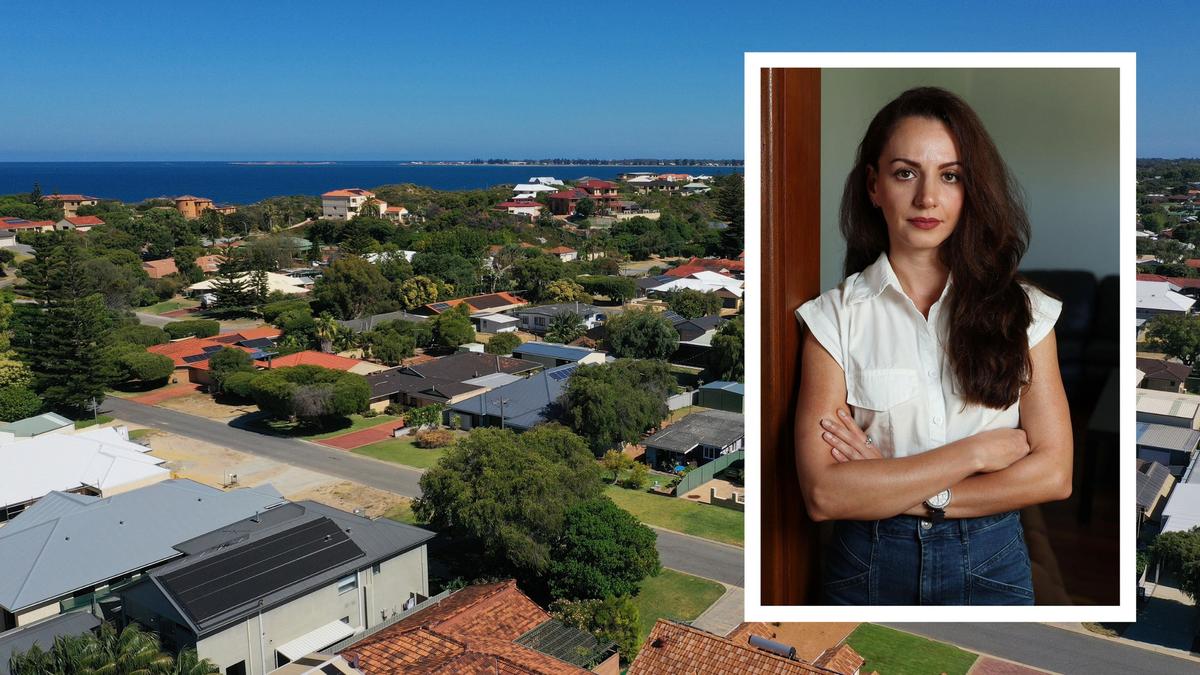
Perth’s real estate market is facing unprecedented challenges, with the number of available homes plummeting to a record low. At the end of December 2025, Greater Perth had just 1,881 listings, comprised of 1,148 houses, 409 units, and 324 parcels of land. This represents a significant decline from 4,395 listings a year prior, according to the Real Estate Institute of Western Australia (REIWA). The dramatic drop in availability—59 percent lower than at the same time last year and 84 percent down from six years ago—has intensified competition among buyers and driven up prices.
As demand outstrips supply, prices are expected to continue rising. “If current conditions persist into 2026, we could see price growth of over 10 percent,” said Suzanne Brown, CEO of REIWA. She noted a resurgence of “FOMO” (fear of missing out) among buyers, with many properties fetching offers significantly above their asking prices. In December, houses and units sold in a median of just nine days, a remarkable seven days faster than the previous year.
Intense Competition and Rising Prices
Certain suburbs are experiencing even more extreme conditions. Homes in Parkwood, for instance, are selling in just three days, while properties in Warnbro and Girrawheen are being snatched up within four to five days. This rapid turnover illustrates a market where buyers face intense competition for a dwindling number of listings.
Real estate agent Shane Beaumont highlighted the extent of the issue, noting that a typical three-bedroom home in Gosnells now sells for between $750,000 and $800,000. “If I compare it to 2008, I would have had 40 listings,” Beaumont explained, indicating that many homeowners are reluctant to sell as they benefit from strong price growth and attractive returns.
The emotional toll on prospective buyers is significant. Reihaneh Kargar, an accountant who has been searching for a home since 2020, described the situation as a “mental strain like no other.” She expressed frustration at the fierce competition, stating, “I feel like there’s no point going to home opens anymore. There are lines of people out the door.”
Former REIWA CEO Damian Collins asserted that the market would need at least 13,000 properties for sale to achieve balance. He suggested that, barring a major economic downturn, the current imbalance is likely to persist for years.
Challenges for Sellers and Renters
Homeowners are hesitant to list their properties due to concerns about finding a suitable new home. “People want to sell, but with the speed of sales and low availability, they are concerned about their next steps,” Brown explained. The high costs associated with moving, including potential increases in mortgage amounts and stamp duty, further complicate decisions to sell.
In the rental market, the situation is similarly dire. At the end of December, only 1,716 properties were available for rent, a drop of nearly 25 percent from November. Homes were leasing in an average of just 16 days, with the median weekly rent for a house in Perth reaching $700, a sharp increase from $370 six years ago. The demand for public housing is also soaring, with 23,168 people on the waitlist and an average wait time of 99 weeks.
According to Mark Glasson, head of Anglicare, the situation reflects years of underinvestment in social housing. He called for the establishment of a WA Housing Future Fund to address these long-standing issues.
In response to the crisis, WA Housing Minister John Carey emphasized the government’s commitment to increasing housing supply, citing a record $6.3 billion investment since 2021. Recent initiatives include the development of station precincts to boost apartment construction and a new $50 million Housing Innovation Fund to enhance modular building efforts.
As Perth grapples with a tightening housing market, stakeholders across the sector are calling for strategies that will encourage greater mobility among homeowners and ultimately lead to a more balanced and accessible housing market.
