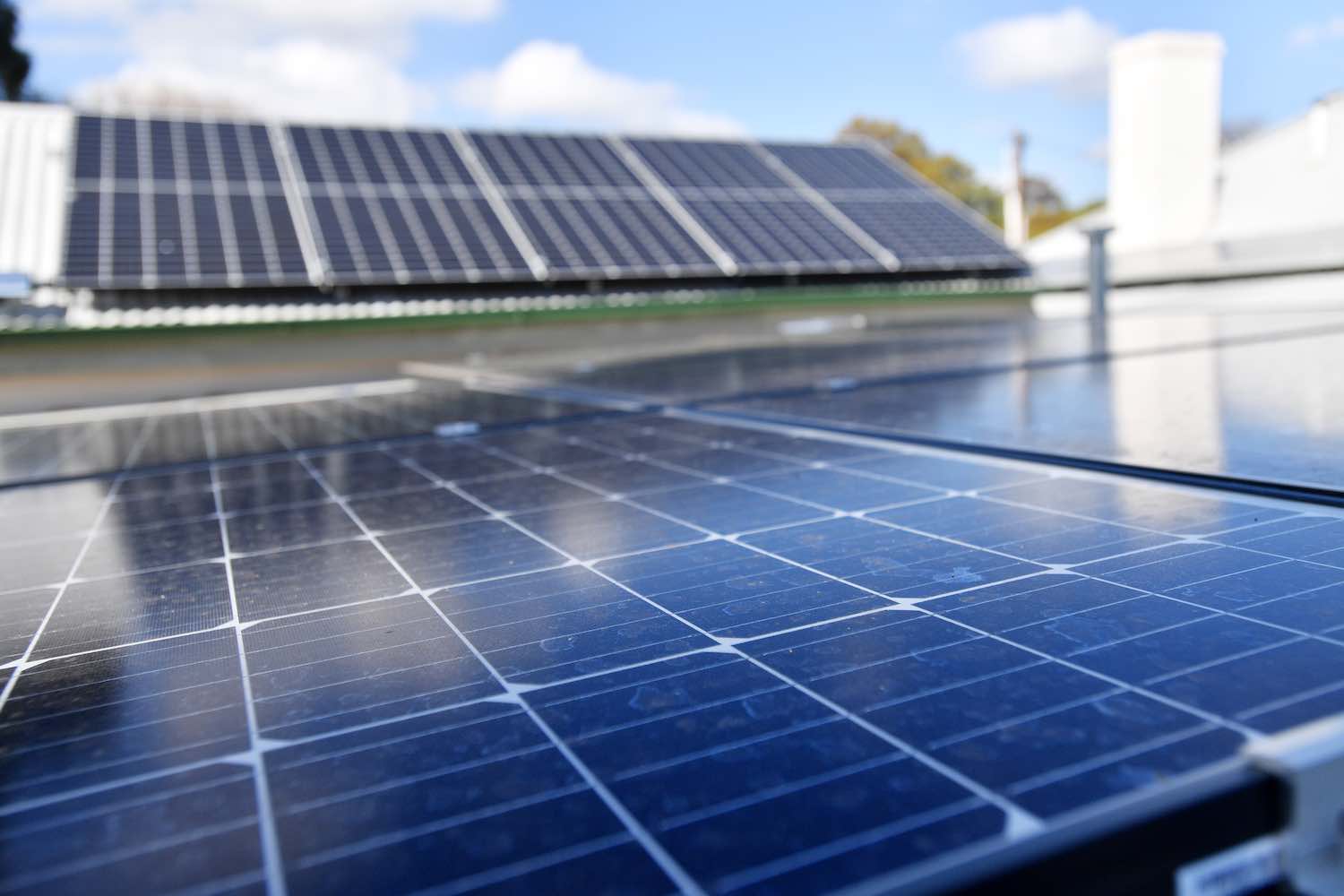
Australia experienced severe electricity demand on its National Electricity Market (NEM) from January 7 to 9, 2023, driven by extreme heatwaves sweeping across the country. During this period, the peaks in electricity demand reached record levels, ranking as the first, fourth, and second highest all-time. Notably, rooftop solar energy played a crucial role in alleviating this demand, demonstrating its significant impact beyond mere fuel savings.
Data indicates that rooftop solar reduced peak demand levels by an average of 14% during the ten highest demand days since January 1, 2023. When examining demand figures after excluding both rooftop and utility-scale solar energy, the average reduction rises to 17%. Furthermore, when factoring in all forms of photovoltaic (PV) energy along with wind generation, the average reduction in demand escalates to 28%.
The benefits of rooftop solar were consistent across most Australian states, except for Tasmania, where peak demand typically occurs in winter. In Tasmania, solar energy contributes minimally to reducing peak demand, although wind energy plays a more significant role. This pattern emphasizes the importance of diversified energy sources in managing electricity demand during extreme conditions.
The data used in this analysis is sourced from the OpenElectricity website, which provides insights into energy consumption patterns. It is important to note that nearly all peak total demand events have occurred since January 1, 2023, while many peak demands excluding rooftop solar occurred in previous years. This demonstrates the evolving role of renewable energy sources in addressing the challenges posed by climate extremes.
The significant role of rooftop solar in mitigating peak electricity demand showcases its potential as a viable solution for future energy crises. As Australia continues to face the impacts of climate change, integrating renewable energy into the grid will become increasingly vital for ensuring energy stability and sustainability. The findings from this period highlight the necessity for ongoing investment in renewable technologies to support the nation’s energy needs.