



































The recent ruling by the US Supreme Court to overturn significant portions of trade tariffs imposed by former President Donald Trump has sparked both relief and concern among European businesses. While many companies anticipated a positive outcome after enduring lengthy legal battles, the decision introduces a new layer of uncertainty regarding future trade relations.
In a landmark ruling, the Supreme Court determined that the tariffs, initially justified under a law intended for national emergencies, were improperly applied. This decision represents a major setback for Trump and his administration’s trade policies. Despite the potential for reduced tariffs, industry leaders are voicing apprehensions about the implications for international commerce and the likelihood of retaliatory measures.
Concerns Over Future Tariffs
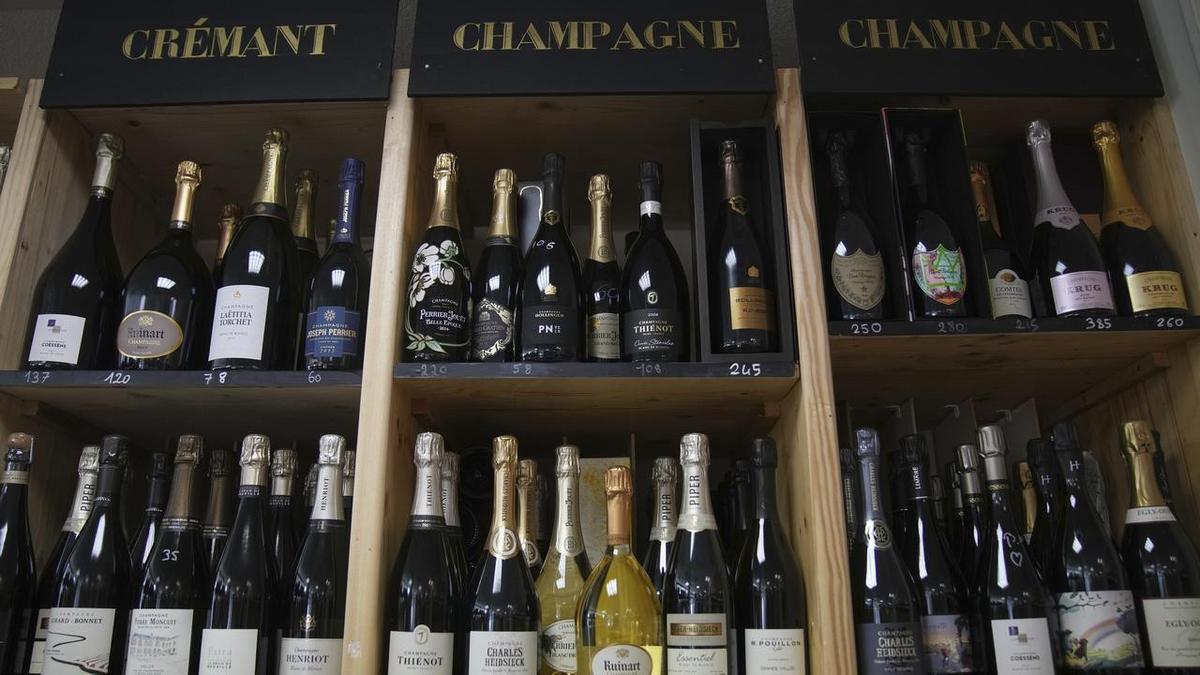
European trade groups and analysts are particularly wary of the ruling’s long-term effects. Paolo Castelletti, secretary-general of the Italian wine association UIV, expressed that the ruling could lead to a “boomerang effect,” creating further uncertainty in the market. The US is a crucial destination for Italian wine, with exports reaching approximately €1.9 billion (about $3.2 billion) in 2024, accounting for nearly a quarter of Italy’s total wine shipments globally.
The immediate aftermath of the ruling has prompted speculation about Trump potentially seeking alternative methods to impose tariffs, which could negate any benefits from the Supreme Court’s decision. The complexities of navigating these tariffs may exacerbate existing tensions between the US and its major trading partners.
According to Steve Ovara, chair of the International Trade Practice Group at the law firm King & Spalding, businesses are bracing for a continuation of uncertainty. “The major issue everybody’s going to be dealing with for at least the short term is some additional uncertainty,” he noted. Many firms are left questioning how long any relief from tariffs might endure.
Industry Reactions and Future Outlook
The response from various sectors has been cautious. Wolfgang Grosse Entrup, managing director of the German chemicals and pharmaceutical lobby VCI, which represents major firms like BASF and Bayer, echoed concerns that the tariff conflict is far from over. He warned, “Anyone who believes this means the tariff conflict is over is mistaken.” The potential for new tariffs, grounded in different legal justifications, remains a significant concern.
The French cosmetics industry is similarly apprehensive. The FEBEA, which includes companies such as L’Oreal, described its position as “very cautious” following the ruling. Secretary-general Emmanuel Guichard stated, “We are all used to the twists and turns on this subject of customs duties,” emphasizing the unpredictable nature of trade regulations.
As businesses across Europe adjust to the implications of the Supreme Court’s ruling, the broader economic landscape remains uncertain. While some may celebrate the reduction of tariffs, the potential for new, unforeseen barriers looms large. The situation calls for vigilance and adaptability as trade relations continue to evolve.
