



































Farmers across Australia are gearing up for the winter planting season as warm, dry conditions have created an ideal environment for cultivating a variety of crops. With summer vegetables such as tomatoes, eggplants, and peppers thriving, attention is now shifting towards preparing the soil and planting winter crops that will mature in late autumn and winter.
As the planting season begins, pest management is crucial. Notably, insect pests like the passion vine hopper and potato beetle have become more prevalent due to the current weather conditions. Effective strategies for controlling these pests include using finely applied derris dust for potato beetles and a combination of neem oil and horticultural soaps for the passion vine hopper, aphids, and whiteflies. Given the rapid movement of the passion vine hopper, farmers are advised to approach affected areas with care to ensure successful treatment.
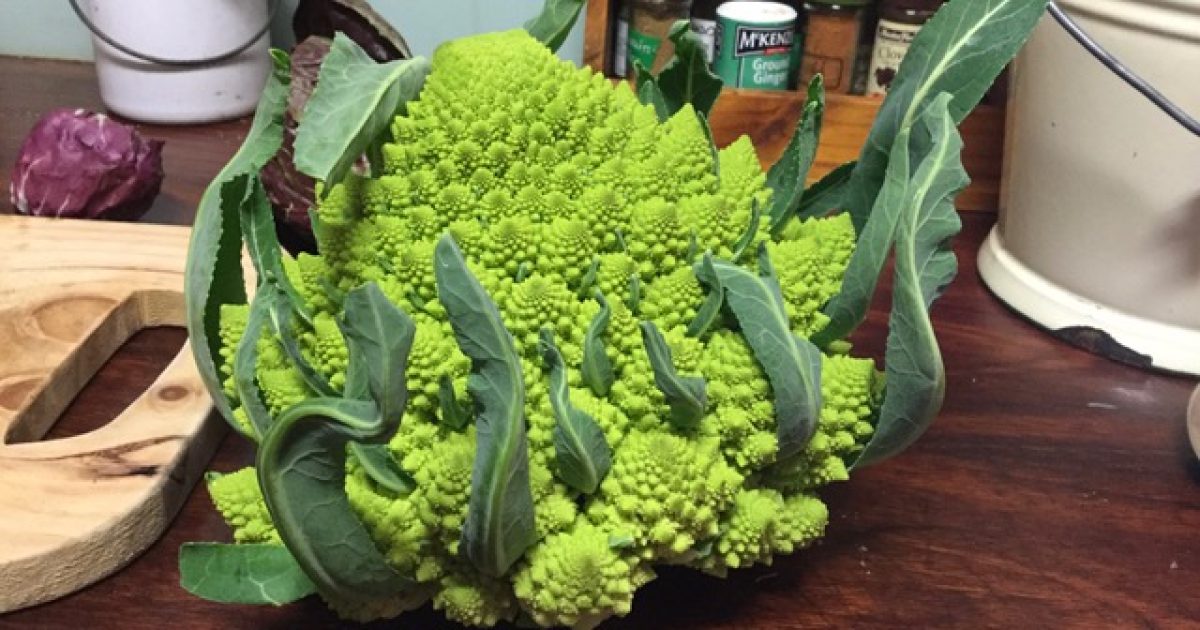
Cauliflower, a significant crop in Australia, is particularly noteworthy, with an annual production of approximately 85,000 tons. This vegetable is resilient, thriving in both hot and cold conditions. As growers look to enhance their yields, various coloured cauliflower varieties are gaining popularity. These include Romanesco, Macerata Green, and Purple Sicily, each offering unique flavors and visual appeal.
Soil Preparation and Planting Techniques
For optimal growth, preparing the soil is essential. Cauliflower thrives in friable soil, ideally a well-drained clay loam enriched with compost and well-rotted animal manure. A pH level of 6.5 to 7 is necessary to prevent diseases. To boost calcium levels and introduce boron, farmers are encouraged to spread lime and use Borax, a readily available cleaning product, to ensure proper nutrition for the plants.
Cauliflowers require a significant amount of sunlight—around six to eight hours daily—making sunny spots with some shade ideal for their growth. Regular applications of complete fertilizer, possibly supplemented with a seaweed-based liquid, will support their nutrient needs. Farmers should also ensure adequate watering, particularly in hotter conditions, to keep the plants healthy.
One challenge in growing cauliflowers is their lengthy growing period, which can range from 12 to 16 weeks, and up to 24 weeks in colder climates. Understanding this timeline is important for harvesting, as head formation occurs only in the final weeks before maturity.
Varieties and Future Innovations
Recent industry innovations aim to develop super-white cauliflower varieties. These new strains feature leaves that encase the head, offering protection from sunlight and frost. This trait could significantly benefit growers in colder regions. Farmers can also utilize traditional methods, such as tying leaves over the heads, to provide necessary protection from the elements.
As the planting season progresses, a range of other vegetables can also be sown, including Asian greens like choy joi and bulbing fennel. Beetroots planted now will be ready for harvest in six to eight weeks, while crops like kale, celery, and various root vegetables can thrive in the cooler weather ahead.
The upcoming weeks present a busy planting schedule for farmers, with a diverse array of seedlings and seeds ready for sowing. With proper preparation and care, the winter harvest promises to be fruitful, building on the successes of the summer growing season.
