



































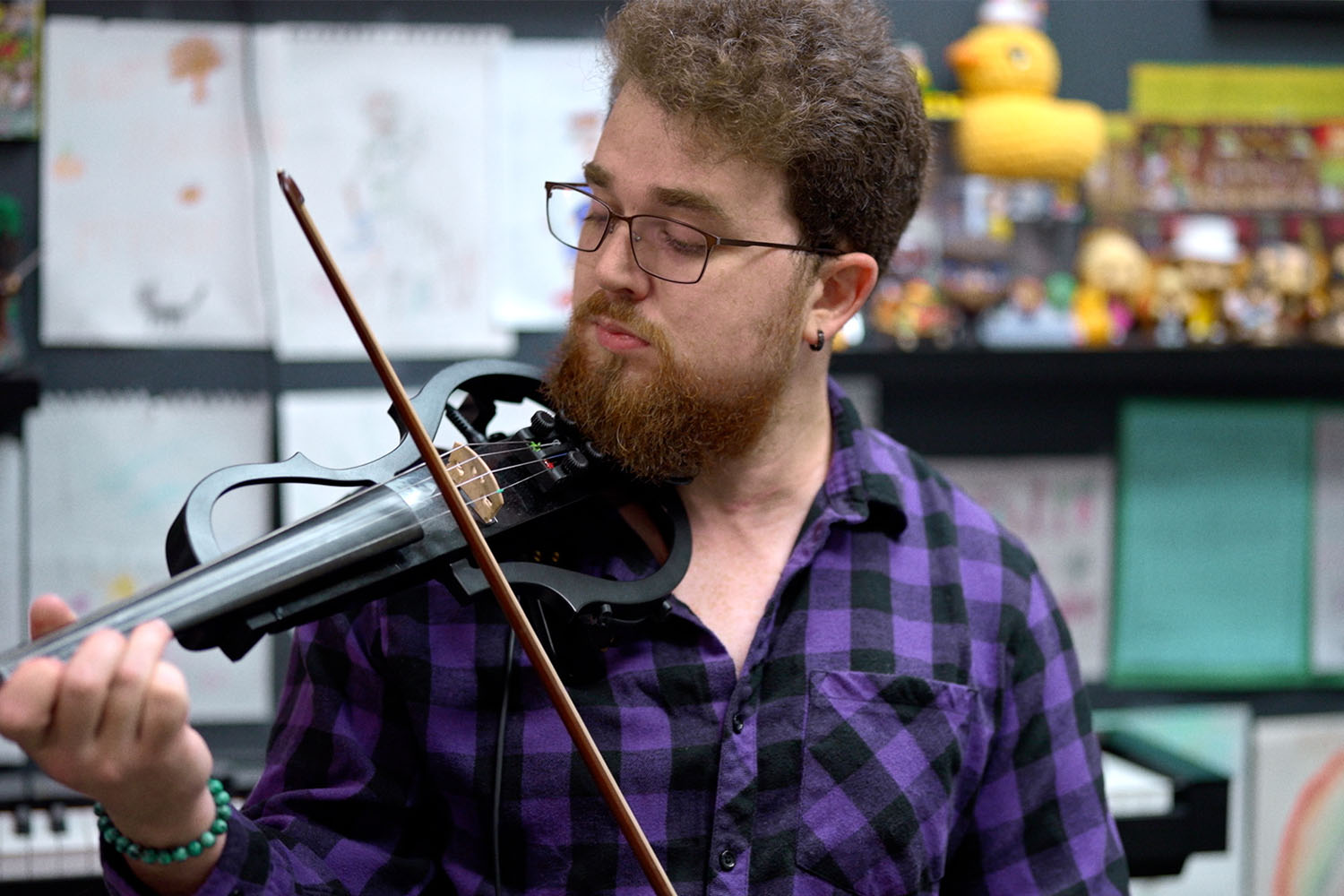
A promising new therapy has enabled musician Peter Skaar to regain mobility after suffering a stroke. This innovative treatment, developed at a leading medical center, has shown remarkable results, allowing Skaar to return to his passion for music just months after his life-altering event.
The stroke occurred in January 2023, leaving Skaar with significant mobility challenges. As a talented musician, the inability to play his instruments had a profound impact not only on his career but also on his emotional well-being. Determined to regain control of his life, Skaar sought out cutting-edge rehabilitation techniques that combined physical therapy with music.
Innovative Therapy Yields Results
The therapy Skaar engaged in uses a unique approach that integrates musical elements into physical rehabilitation. This method aims to stimulate brain areas associated with movement and coordination, helping patients recover lost functions. According to the medical team involved, the combination of rhythm and movement accelerates recovery, particularly in stroke patients.
Skaar’s rehabilitation journey included intensive sessions where he played various instruments, which served both as a therapeutic tool and a source of inspiration. His experience aligns with recent studies that suggest music therapy can significantly enhance recovery outcomes for stroke survivors.
In a statement, Skaar expressed his gratitude, saying, “Music has always been my lifeline. Being able to play again has not only helped me physically but has also lifted my spirits.” His determination and the innovative therapy have turned what could have been a tragic end to his musical career into a story of hope and resilience.
A Broader Impact on Rehabilitation
Skaar’s recovery is more than a personal triumph; it highlights the potential benefits of integrating music into medical therapies. Health professionals are increasingly recognizing the value of music therapy in various rehabilitation contexts. Research indicates that patients who engage in musical activities during recovery often see improvements in both physical and emotional health.
As word of Skaar’s recovery spreads, it may prompt more healthcare facilities to explore similar therapeutic approaches. The success of this method could lead to increased funding for research into music therapy and its applications in rehabilitation.
This innovative model of therapy serves as a reminder that recovery is not solely about physical healing but also about restoring joy and purpose. For Skaar, returning to music has been a transformative experience, allowing him to reclaim his identity as an artist while inspiring others facing similar challenges.
In a world where recovery options continue to evolve, Skaar’s story stands out as a testament to the power of determination and the healing potential of music.
