



































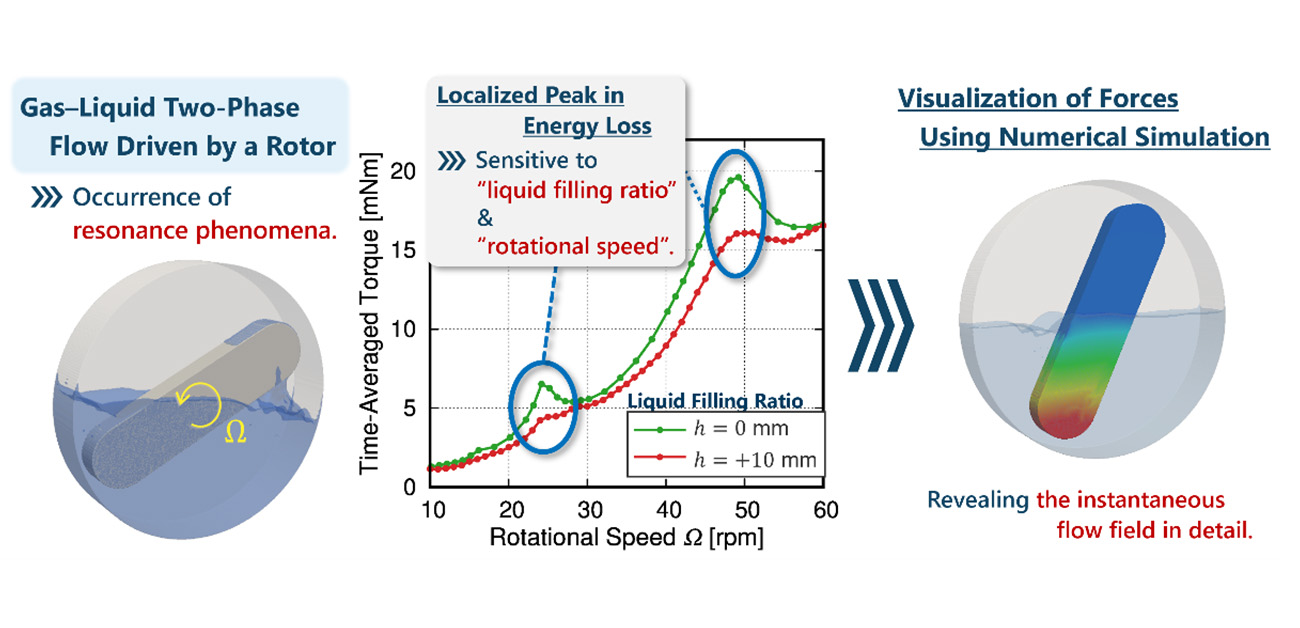
A recent study has shed light on the mechanisms causing energy loss in rotor-driven gas-liquid flows, which is critical for enhancing the efficiency of power transmission devices. This research, conducted by a team of engineers, provides essential design guidelines that could lead to significant improvements in energy management across various sectors.
Understanding energy loss in rotor systems is vital for industries reliant on efficient power transmission. The study identifies specific factors contributing to energy inefficiencies and offers actionable insights for engineers and designers. The findings aim to inform the development of more effective power transmission devices, potentially reducing operational costs and environmental impact.
Research Insights and Implications
The researchers conducted extensive experiments to analyze rotor-driven gas-liquid flows, examining how different variables affect energy loss. They discovered that factors such as fluid viscosity, rotational speed, and rotor design play crucial roles in the efficiency of these systems. By clarifying these mechanisms, the study lays the groundwork for optimizing designs that can minimize energy wastage.
In practical terms, implementing the study’s design guidelines could lead to improvements in various applications, including manufacturing processes and energy generation. For instance, power plants utilizing rotor-driven systems might experience enhanced performance and reduced energy consumption, resulting in lower emissions and operational costs.
The implications of this research extend beyond just immediate energy savings. With a growing global emphasis on sustainability, optimizing power transmission devices aligns with broader environmental goals. The study highlights the importance of continuous research and innovation in engineering practices, ensuring that industries can adapt to the increasing demand for energy efficiency.
The Future of Energy Efficiency
As industries face mounting pressures to improve their energy performance, the findings from this study serve as a crucial resource. The researchers emphasize the need for ongoing collaboration between academia and industry to translate these insights into practical solutions.
By adopting the proposed design guidelines, companies can not only enhance their operational efficiency but also contribute to a more sustainable future. The findings are expected to influence future research directions, inspiring further studies aimed at uncovering additional methods for optimizing energy use in various applications.
The research team plans to present their findings at the upcoming International Conference on Energy Efficiency, scheduled for March 2024. This event will provide an opportunity for industry professionals to explore the latest advancements in energy management and share best practices.
In conclusion, the study on rotor-driven gas-liquid flows marks a significant step forward in understanding energy loss mechanisms. By providing clear guidelines for improving efficiency in power transmission devices, it opens the door to innovations that could transform how industries manage energy use in the years to come.
