



































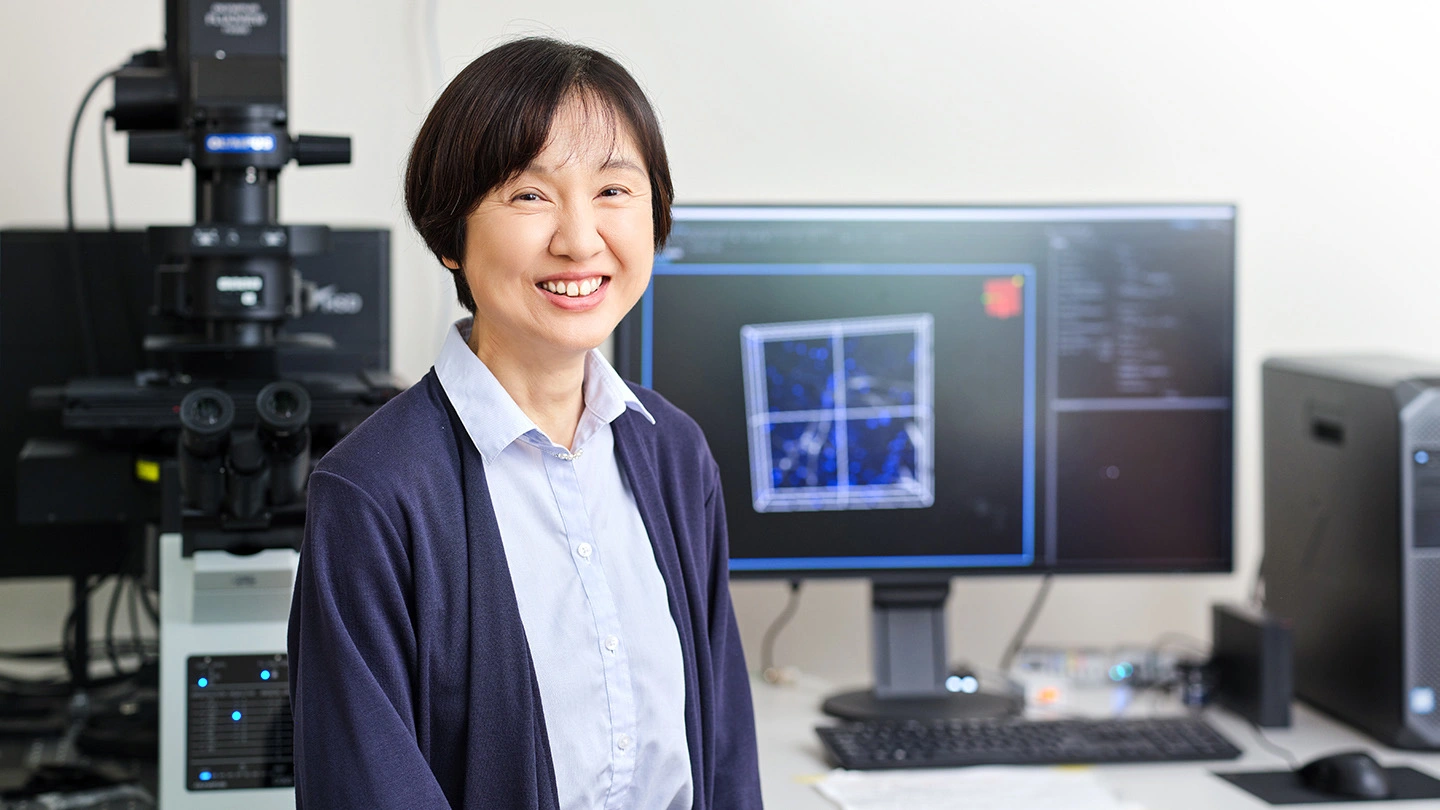
Research by Professor Fumiko Toyoshima at the Medical Research Laboratory is shedding light on the complex physiological changes that occur in women during pregnancy and how these changes relate to aging. Her work aims to uncover molecular mechanisms that may lead to new therapies for regenerative medicine and anti-aging treatments.
The inspiration for Toyoshima’s research stemmed from her own experience with pregnancy. She noted the profound transformations her body underwent, not just in reproductive organs but across various systems, including the liver and skin. This phenomenon, known as “remodeling,” refers to how organs adapt their structure and function in response to external factors, including aging and injury.
Toyoshima began her research in 2010 with experiments involving mice. Her focus was to investigate changes in cells across different organs during pregnancy and to understand the genetic factors driving these transformations. Previously accustomed to studying cellular processes in vitro, she sought to apply her knowledge at the organismal level, recognizing the interconnectedness of various body systems during pregnancy.
In her studies, Toyoshima discovered that during pregnancy, distinct changes occur at the cellular level in the skin, liver, and other organs. For instance, she identified that the gene Tbx3 is activated in the basal cells of the epidermis, facilitating the proliferation of skin cells as the abdomen expands. This process is tightly regulated, with excess cells being removed after childbirth, allowing the skin to revert to its original state.
Her team published these findings in 2021, revealing how the cycle of cell proliferation and reduction is governed by genetic regulation. In adults, stem cell activity diminishes with age, but during pregnancy, Toyoshima noted a temporary surge in stem cell proliferation without leading to tumor formation. This insight prompted her to consider whether harnessing these mechanisms could lead to advancements in regenerative medicine.
In 2022, Toyoshima expanded her research to explore how aging affects skin health. Her experiments showed that decreased vascularization and increased tissue stiffness lead to a decline in epidermal stem cell function. By enhancing blood flow and adjusting tissue properties, she demonstrated improvements in stem cell activity, highlighting potential avenues for anti-aging therapies.
Following her work on skin remodeling, Toyoshima turned her attention to the liver. In 2023, her research revealed that during the second trimester of pregnancy, periportal hepatocytes in the maternal liver undergo temporary proliferation. This process plays a crucial role in regulating glucose metabolism, supporting fetal development, and preventing conditions such as gestational diabetes.
Toyoshima’s career has evolved significantly. After serving as a professor at Kyoto University for over 30 years, she accepted a position at the former Medical Research Institute at Tokyo Medical and Dental University in April 2023. This transition is motivated by her desire to apply findings from animal models to human health, marking a pivotal shift in her research focus.
Her childhood in Hiroshima City fostered a curiosity about nature and science, leading to her pursuit of a career in research. Throughout her academic journey, Toyoshima’s interests have expanded from broad ecological studies to the intricate molecular mechanisms underpinning health and disease.
Looking ahead, Toyoshima envisions two primary objectives for her research: enhancing maternal health and developing strategies to combat aging. She aspires to initiate studies involving samples from pregnant women within the next one to two years, with the ultimate goal of translating her findings into practical medical applications.
The environment at the Medical Research Laboratory has proven supportive in achieving these ambitions. Following a recent merger with the former Tokyo Institute of Technology, Toyoshima has benefited from enhanced collaboration between engineering and medical research, which has accelerated progress in her studies.
Under her leadership, the laboratory is also involved in the Multilayered Stress Diseases project, which seeks to understand stress-related conditions from genetic to societal levels. This initiative aligns with Toyoshima’s commitment to interdisciplinary research, bridging the gap between life sciences and social sciences.
Toyoshima’s determination to illuminate the biological significance of maternal remodeling underscores her commitment to advancing scientific understanding in this field. She encourages young researchers to trust their instincts and pursue their interests, emphasizing the importance of originality in scientific inquiry.
As she continues her journey, Toyoshima remains focused on contributing to society through her research, aiming to unlock the secrets of pregnancy and aging for the betterment of health outcomes.
