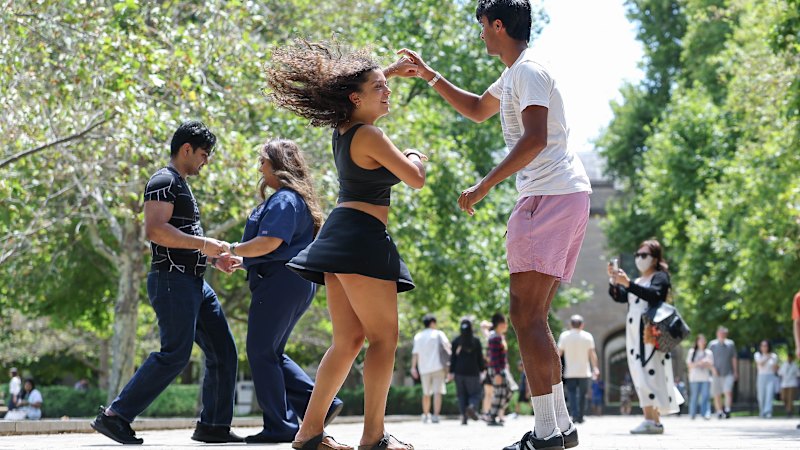
The traditional university orientation week, commonly known as O-Week, is undergoing significant changes as universities shift their focus from alcohol-fueled festivities to more structured and purposeful activities. Once characterized primarily by raucous parties, including pub crawls and toga nights, O-Week is now embracing a broader vision aimed at fostering community and student well-being.
A recent survey conducted by Student Services at the Australian National University found that over 70% of students now prefer activities that promote mental health and academic preparation. This shift reflects a growing awareness of the challenges that many students face, particularly in the transition to university life.
Changing Attitudes Towards Alcohol
Historically, O-Week served as a rite of passage, where new students bonded over shared experiences, often involving excessive drinking. Events such as beer skolling marathons and boat races were staples of the week. However, with increasing conversations surrounding mental health and responsible drinking, universities are now reevaluating these practices.
The University of Sydney has taken proactive steps to address these concerns by introducing a range of engaging, alcohol-free activities. Events now include workshops on study skills, mental health awareness sessions, and cultural showcases. The university’s commitment to a balanced approach aims to create a more inclusive environment for all students.
Support from Academic Institutions
Institutions across Australia are recognizing the importance of this transition. Monash University has implemented a comprehensive strategy to provide students with resources and support networks. Their O-Week program emphasizes academic success and personal well-being, featuring sessions on time management and stress relief techniques.
The shift in focus is not only beneficial for student health but also aligns with broader societal changes. A report by the Australian Institute of Health and Welfare indicates that alcohol consumption among young adults has declined markedly in recent years. This trend underscores the need for universities to adapt their orientation programs to meet the evolving preferences of incoming students.
As universities continue to refine their O-Week offerings, the emphasis on purposeful activities may become a permanent fixture. Many institutions are now viewing this transformation as an opportunity to enhance student engagement, build community, and promote a healthier lifestyle.
In conclusion, O-Week is poised to redefine its legacy. By prioritizing well-being and academic readiness over traditional partying, universities are not only responding to student preferences but also fostering a culture of support that can facilitate success throughout their academic journeys. The future of O-Week appears to be one where preparation and connection take precedence over alcohol-driven revelry.