



































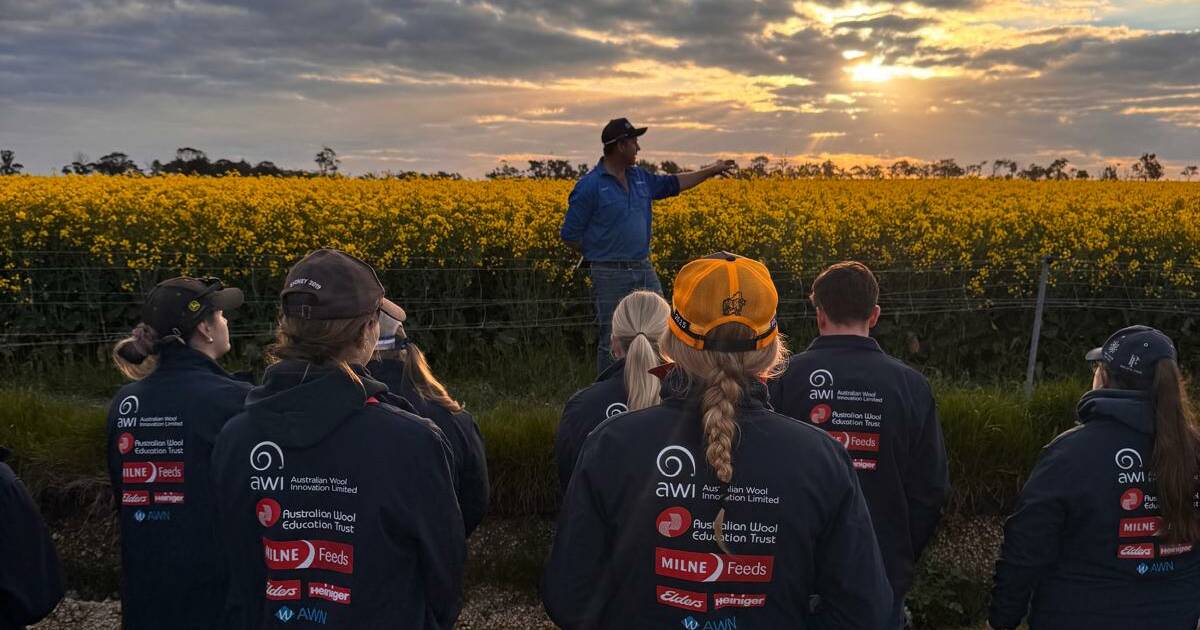
The Livestock Industry Career Readiness Unit, launched in 2023 by Murdoch University, Australian Wool Innovation (AWI), and Ag4U, is transforming career pathways for students pursuing agriculture. This initiative features a comprehensive five-day industry tour aimed at bridging the gap between academic study and practical industry experience.
Students enrolled in agricultural science are often unaware of the diverse career opportunities available within the livestock supply chain, which includes on-farm management, animal health, processing, logistics, and market development. The program provides a structured approach that prepares students for the workforce and enhances their understanding of various roles in the agricultural sector.
Dr. Lea Labeur, a lecturer at Murdoch University, noted that animal science can be daunting, especially for students from urban backgrounds. She stated, “Whether this barrier is real or simply a perception, it remains a hurdle that prevents some graduates from working in a field they originally hoped to join.” This highlights the challenges faced by those who aspire to enter the industry but may lack clear guidance.
Through approximately five weeks of dedicated training in employability, networking, and communication skills, students are well-prepared for the industry tour. This tour includes visits to a piggery, sheep, dairy, and beef cattle farms, abattoirs, saleyards, and various service providers throughout the Great Southern region.
Dr. Labeur emphasized the value of this systematic approach: “During the industry tour, students are able to ask questions and build case studies around specific topics of interest.” This hands-on experience allows students to gain insights into potential job opportunities and areas they may want to pursue.
Feedback from students has been overwhelmingly positive. Anonymous survey responses indicated that many participants found the experience eye-opening. One student remarked, “I learned a new industry in agriculture that I didn’t realize was so interesting, and it’s opened my mind to more jobs.” Others noted the value of gaining industry exposure and the importance of connecting with various producers.
Over the past three years, enrollment in the program has increased from 16 to 28 students. Many of these students initially aim to become veterinarians but find themselves exploring broader opportunities in animal science for various reasons during their studies. Dr. Labeur explained, “A lot of students are afraid of animal science because they don’t know what it means, unlike a veterinarian.”
Career paths for graduates of the program extend beyond traditional veterinary roles. Students can pursue positions as animal nutritionists, biosecurity officers, animal geneticists, or take on consulting roles in animal breeding and welfare inspection. “There’s a career for everyone in animal science and almost all of our students do find a place,” Dr. Labeur added, highlighting the importance of networking in securing employment.
Following the industry tour, several students have successfully landed graduate and summer positions with organizations such as the Department of Primary Industries and Regional Development and AWI. These opportunities not only enhance their professional skills but also provide valuable connections within the industry.
Dr. Labeur noted that the diverse backgrounds of students—from urban areas to farming communities and even overseas—enrich the learning environment. “The program is very unique and is tailored to the individual and helps them find their place in the livestock industry,” she said.
Support from industry sponsors, including the Australian Wool Education Trust, AWI, Milne Feeds, AWN, Elders, and Heiniger, underscores the significance of nurturing the next generation in agriculture. Dr. Labeur highlighted this sponsorship as a critical component of the program, demonstrating the commitment of these businesses to fostering future talent.
As agricultural sectors continue to evolve, programs like the Livestock Industry Career Readiness Unit are essential in preparing students for meaningful careers in a field that is vital to global food security and economic stability. Through this initiative, Murdoch University and its partners are equipping future leaders in agriculture with the skills, knowledge, and networks needed to succeed.
