



































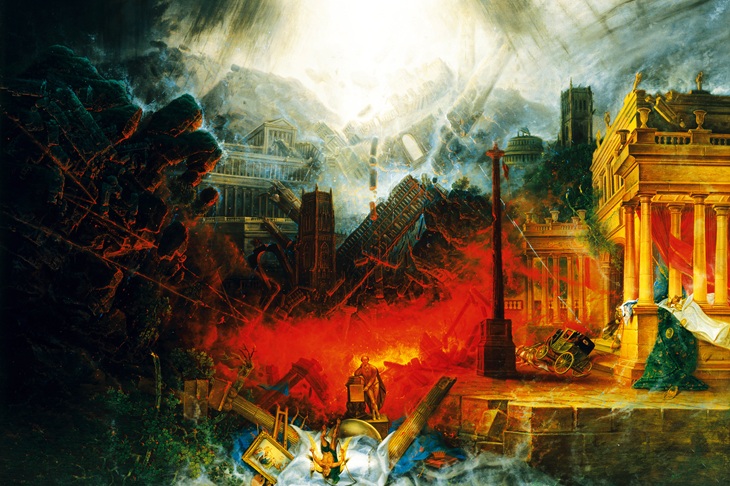
The year 2026 may usher in a period of profound crisis, presenting a stark warning for ordinary citizens. According to Dr. Mathew Maavak, a retired consultant in strategic foresight, the confluence of geopolitical tensions, economic instability, and technological vulnerabilities could lead to a catastrophic scenario reminiscent of historical upheavals.
As the world grapples with escalating tensions, several events could trigger significant disruptions. For instance, a potential sabotage of the TurkStream pipelines amid rising proxy warfare between Russia and NATO could send energy prices soaring. A simultaneous attack on critical facilities, such as Saudi Arabia’s Abqaiq processing plant or the Ras Tanura terminal, could exacerbate this situation. In such a case, energy prices might triple or quadruple overnight, leading to widespread economic distress across Europe and North America.
The ripple effects of these crises would be felt in the United States as well. Ongoing trade tensions, particularly those initiated during the presidency of Donald J. Trump, could further destabilize supply chains, causing the prices of goods, from electronics to clothing, to skyrocket. As factories close and layoffs increase, unemployment could reach double-digit levels, reminiscent of the Great Depression but compounded by the rapid advance of automation technologies that may displace many mid-level jobs.
Tensions in the South China Sea could escalate into military confrontations, with potential naval blockades and cyber warfare. Should Russia retaliate against perceived threats in northern Europe, the situation may spiral into broader regional conflicts, including renewed warfare in the Middle East. The consequences would be severe, potentially resulting in oil prices hitting $200 per barrel and prompting gasoline rationing in several countries.
The looming threat of a cyber pandemic could further destabilize critical infrastructure. A significant attack—either state-sponsored or executed by rogue actors—could lead to cascading failures in power grids, banking systems, and digital payment networks. In such an environment, ordinary citizens may find themselves queuing for cash that is no longer available, while hospitals struggle to operate on backup generators.
As trust in institutions erodes, social unrest may intensify. Misinformation, fueled by deepfake technology, could sow confusion and panic, leading to widespread civil disorder. The emergence of a new pathogen—whether engineered or natural—could lead to renewed lockdowns, overwhelming already fragile economies and igniting riots over food shortages.
The impact of climate change may compound these challenges. Extreme weather events, driven by phenomena like La Niña, could lead to devastating floods in Asia and Africa, while severe heat waves may turn parts of Europe and North America into uninhabitable regions. With resources diverted to conflict and cyber recovery efforts, food production may plummet, leading to famine and mass migration, further straining social cohesion.
Economically, the global order may face collapse. A potential burst of the artificial intelligence bubble could precipitate a stock market crash worse than that of 2008, while hyperinflation could engulf both fragile and developed economies. As wages stagnate and costs soar, homelessness may rise sharply, with illicit economies thriving amid chaos.
Governments facing extreme crises historically centralize control, which may lead to the implementation of compulsory digital identities linked to Central Bank Digital Currencies (CBDCs). Such measures could restrict access to banking, travel, and essential resources, while social credit systems may further entrench inequalities.
As societal polarization peaks, misinformation may exacerbate cultural and ethnic tensions, transforming communities into battlegrounds. The recent rise in incendiary discourse on social media platforms underscores how quickly societal dynamics can shift under stress.
The challenges facing ordinary individuals in 2026 are not mere hypothetical scenarios. Many are already grappling with significant economic and social pressures, evident in empty grocery shelves and rising anxiety levels. The deterioration of mental health amid these challenges may lead to a decline in overall well-being, with hope becoming increasingly scarce.
In this potentially dire future, the lessons of history echo loudly. Dr. Maavak warns that while despair may loom, resilience is also forged in such trying times. The unfolding reality of 2026 may test the limits of human endurance, underscoring the importance of solidarity and mutual support in navigating an uncertain future.
