





















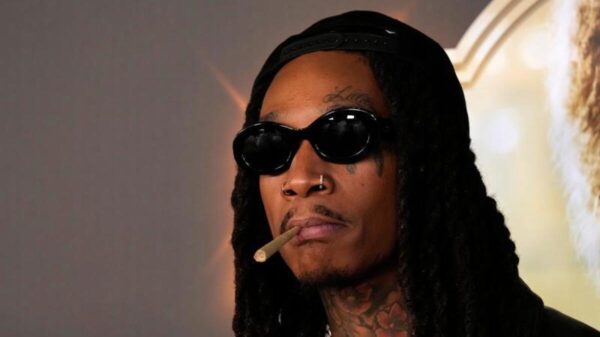








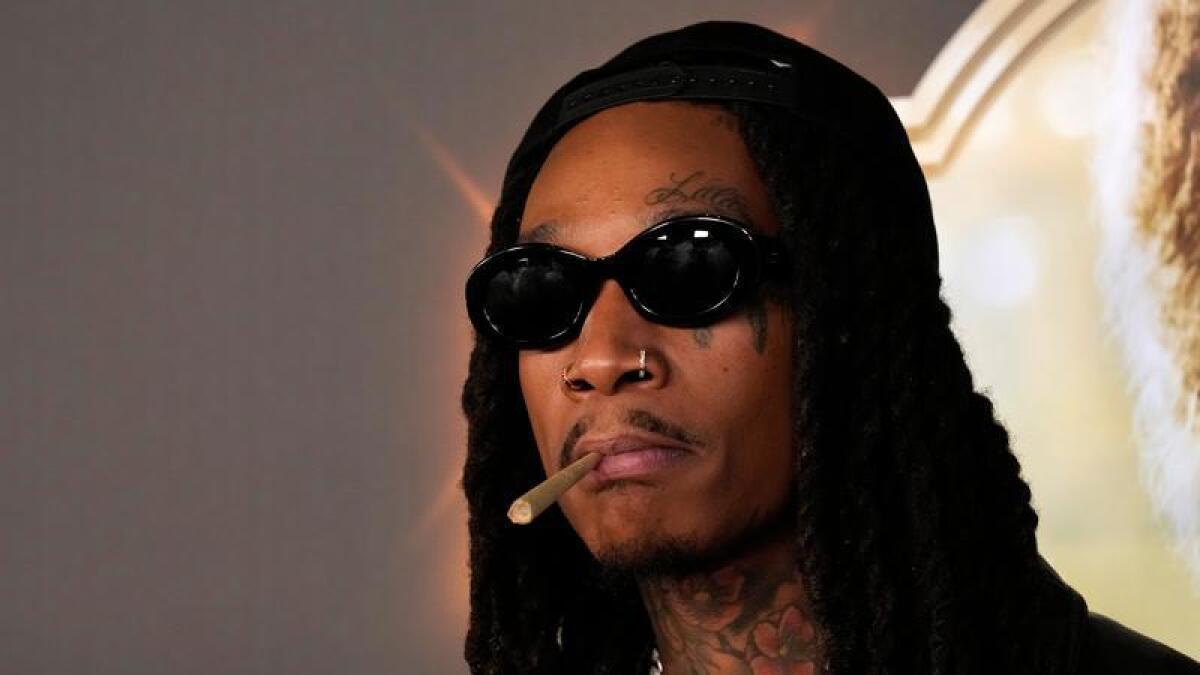
Rapper Wiz Khalifa, whose real name is Cameron Jibril Thomaz, has been sentenced to jail in Romania after being found guilty of drug possession. The Constanta Court of Appeal handed down the sentence on October 20, 2023, following a conviction for possessing over 18 grams of cannabis, some of which he allegedly consumed on stage.
Prosecutors cited the rapper’s actions during a performance last summer, where he was seen smoking a large, hand-rolled cigarette while performing his hit song Young, Wild & Free. The case initially began in April 2023, when a lower court imposed a fine of 3600 lei (approximately $1,250 AUD) for “illegal possession of dangerous drugs.” However, the prosecution appealed this decision, seeking a harsher penalty under Romania’s strict drug laws.
Strict Drug Laws and Sentencing
Romania is known for having some of the toughest drug laws in Europe. Possession of cannabis for personal use is criminalized and can lead to prison sentences ranging from three months to two years, in addition to possible fines. In this instance, the appellate court’s ruling reflects the legal framework under which the rapper was prosecuted.
As a US citizen, it remains uncertain whether Romanian authorities will pursue an extradition request against Khalifa, who does not reside in the country. His legal troubles have sparked discussions around the enforcement of drug laws and the implications for international artists performing in Romania.
Wiz Khalifa’s Rise to Fame
The 38-year-old artist, originally from Pittsburgh, gained widespread recognition with his breakout mixtape Kush + Orange Juice. Khalifa’s blend of hip-hop and cannabis culture has made him a prominent figure in the music industry, attracting fans across the globe. His performances often reflect his lifestyle and personal experiences, which resonate with audiences.
This incident raises questions about the balance between artistic expression and adherence to local laws, particularly for international performers. As Khalifa navigates the legal ramifications of this case, the outcome may influence perceptions of drug policies among artists and their management teams in the future.