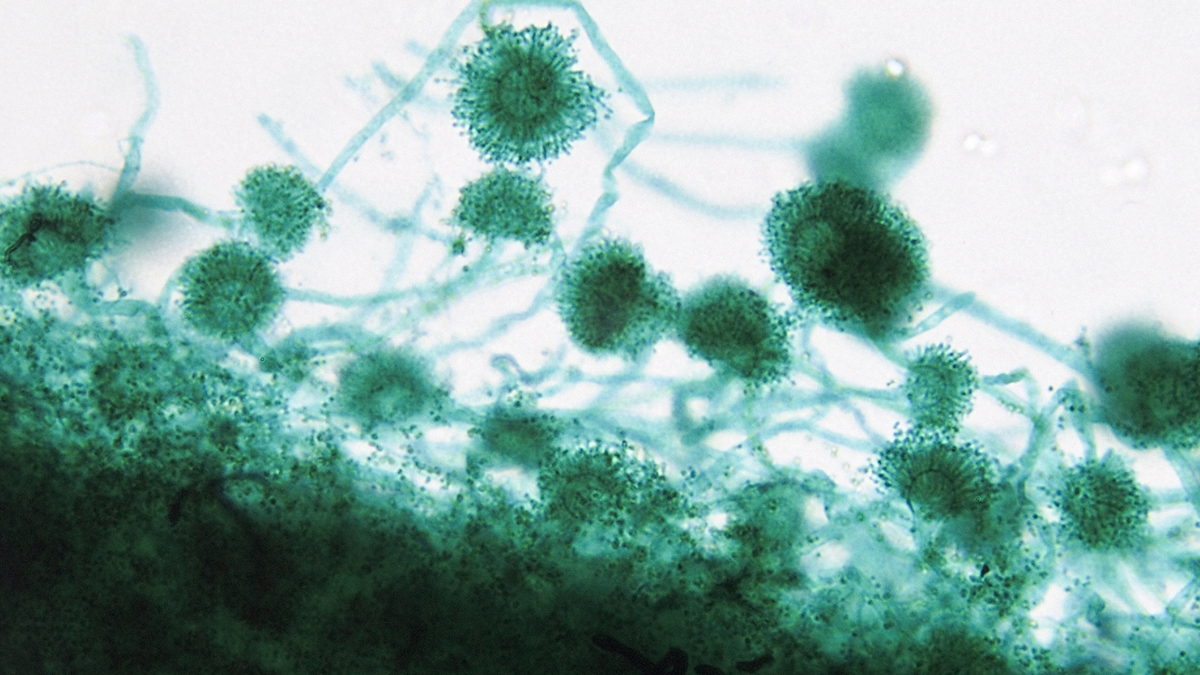
An alarming rise in cases linked to the fungus Aspergillus has been reported, raising concerns in medical communities worldwide. Approximately 250,000 individuals globally could be infected, with many cases resulting in severe health complications or death, especially among vulnerable hospital patients. The World Health Organization has issued warnings regarding the outbreak, emphasizing the urgent need for adequate hospital sanitation practices.
Understanding Aspergillus Infections
The Aspergillus fungus is a common mold found in various environments, including soil and decaying organic matter. While it poses minimal risk to healthy individuals, it can cause serious infections in those with weakened immune systems, particularly patients in healthcare settings. Reports indicate that hospital-acquired infections have surged, leading to increased mortality rates in affected patients.
Infections can manifest in various forms, including pulmonary aspergillosis, which primarily impacts the lungs, and disseminated aspergillosis, which can affect multiple organs. Symptoms often include fever, cough, and difficulty breathing, with rapid deterioration in patients who are already ill. The risk of infection is heightened in hospitals where patients are exposed to invasive procedures, such as surgery and ventilation.
Global Impact and Response
The current outbreak is part of a broader trend observed over the past few years, where fungal infections are becoming increasingly prevalent in healthcare settings. According to experts, factors such as climate change, increased use of immunosuppressive therapies, and the rise of antibiotic-resistant pathogens contribute to the growing incidence of these infections.
Healthcare institutions are urged to implement stringent infection control measures. These include improving air filtration systems, ensuring thorough cleaning protocols, and monitoring environmental conditions within hospital wards. The World Health Organization has called for enhanced surveillance and reporting to better understand the scope of the issue and to develop effective strategies for prevention.
The emergence of Aspergillus as a significant health threat highlights the need for greater awareness and understanding of fungal infections. As research continues, medical professionals are working diligently to establish guidelines that can help reduce the risk of infection and protect vulnerable populations.
Continued vigilance and proactive measures are essential in combating the threat posed by Aspergillus. As healthcare systems worldwide adapt to these challenges, the focus remains on safeguarding patient health and preventing further outbreaks.