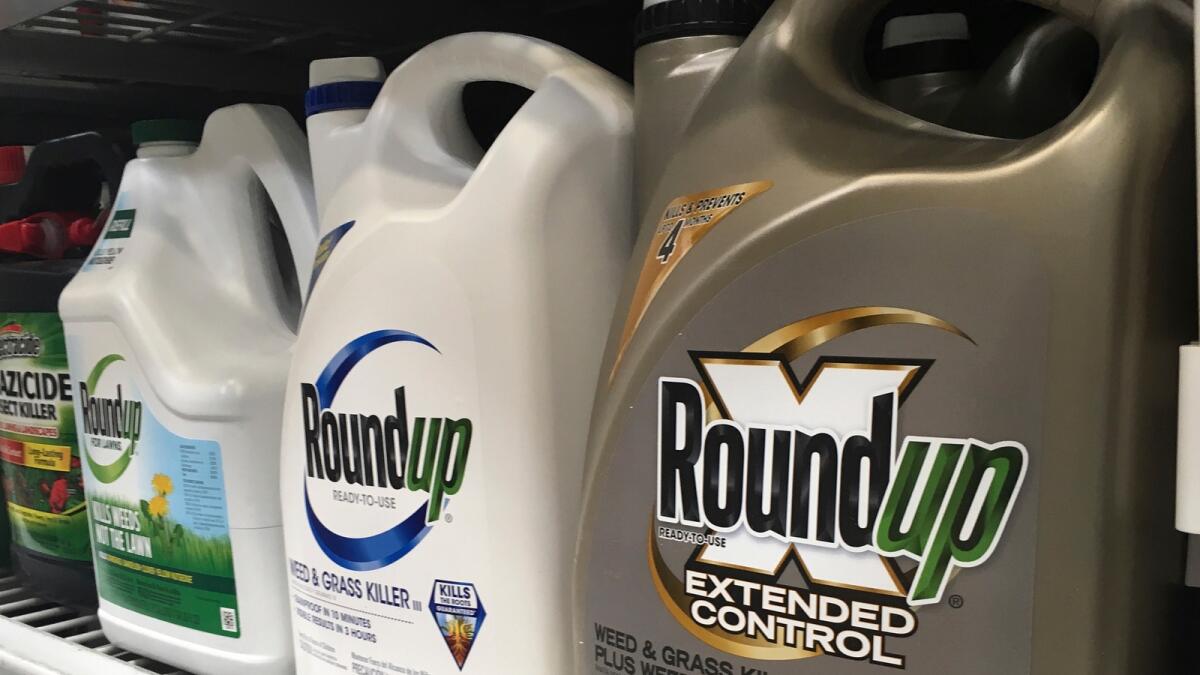
Bayer has proposed a settlement of $7.25 billion to resolve thousands of lawsuits in the United States related to its herbicide Roundup. The legal action claims the company failed to adequately warn consumers about the potential cancer risks associated with the product, particularly the link to non-Hodgkin lymphoma. This announcement comes as the U.S. Supreme Court prepares to hear arguments in April regarding Bayer’s assertion that the approval of Roundup by the U.S. Environmental Protection Agency (EPA) without a cancer warning should nullify state court claims.
While the proposed settlement does not directly influence the upcoming Supreme Court case, it does provide a safety net for both Bayer and the plaintiffs. Should the Supreme Court rule in favor of Bayer, the settlement ensures that patients will still receive compensation. Conversely, Bayer could avoid potentially higher costs if the ruling is against them.
Bayer, headquartered in Germany, acquired Monsanto, the manufacturer of Roundup, in 2018. The company has consistently contested claims that glyphosate, the primary ingredient in Roundup, causes cancer. Nevertheless, Bayer has acknowledged that the ongoing litigation has created significant uncertainty, threatening its ability to market Roundup effectively in U.S. agricultural sectors. As expressed by Bayer CEO Bill Anderson, “Litigation uncertainty has plagued the company for years, and this settlement gives the company a road to closure.”
Proposed Settlement Details
The settlement was filed in the St. Louis Circuit Court in Missouri, where Bayer’s North America crop science division is based and where many lawsuits have been initiated. The settlement still requires court approval. Since 2015, over 125,000 plaintiffs have lodged claims against Bayer concerning Roundup. Of these, relatively few cases have gone to trial, with Bayer winning 13 verdicts compared to 11 for plaintiffs, including a notable award of $2.1 billion by a Georgia jury last year.
Two recent settlements have already addressed roughly 77,000 claims. The newly proposed nationwide agreement aims to cover most remaining lawsuits and any new claims from individuals exposed to Roundup prior to the announcement. Bayer has indicated it will retain the right to cancel the settlement if too many plaintiffs choose to opt out, although specific thresholds for opt-outs have not been disclosed.
Under the terms of the settlement, Bayer will make annual payments into a special fund for a period of up to 21 years, totaling as much as $7.25 billion. The compensation amounts will vary based on factors such as the individual’s usage of Roundup, age at diagnosis, and severity of their non-Hodgkin lymphoma. For instance, an agricultural or industrial worker diagnosed with an aggressive form of the illness before the age of 60 could receive an average payment of approximately $165,000. In contrast, a residential user diagnosed between the ages of 60 and 77 with a less aggressive form of the disease might receive around $20,000.
Political Context and Future Implications
The proposed settlement occurs amidst a backdrop of political maneuvering. The administration of former President Donald Trump has supported Bayer, reversing the stance taken by President Joe Biden’s administration. This situation has placed the current administration at odds with some advocates of the “Make America Healthy Again” initiative, who oppose granting the company the legal immunity it seeks. Concurrently, Bayer has been lobbying state governments to protect pesticide manufacturers from lawsuits related to failure-to-warn claims, provided they adhere to federal labeling requirements.
Legal proceedings related to Roundup have been complex and contentious, and while this settlement represents a significant step towards resolution, its ultimate success will depend on the court’s approval and the acceptance of the terms by the affected parties. As the litigation landscape evolves, the implications of this proposed settlement will likely resonate in both the legal field and the agricultural market for years to come.