



































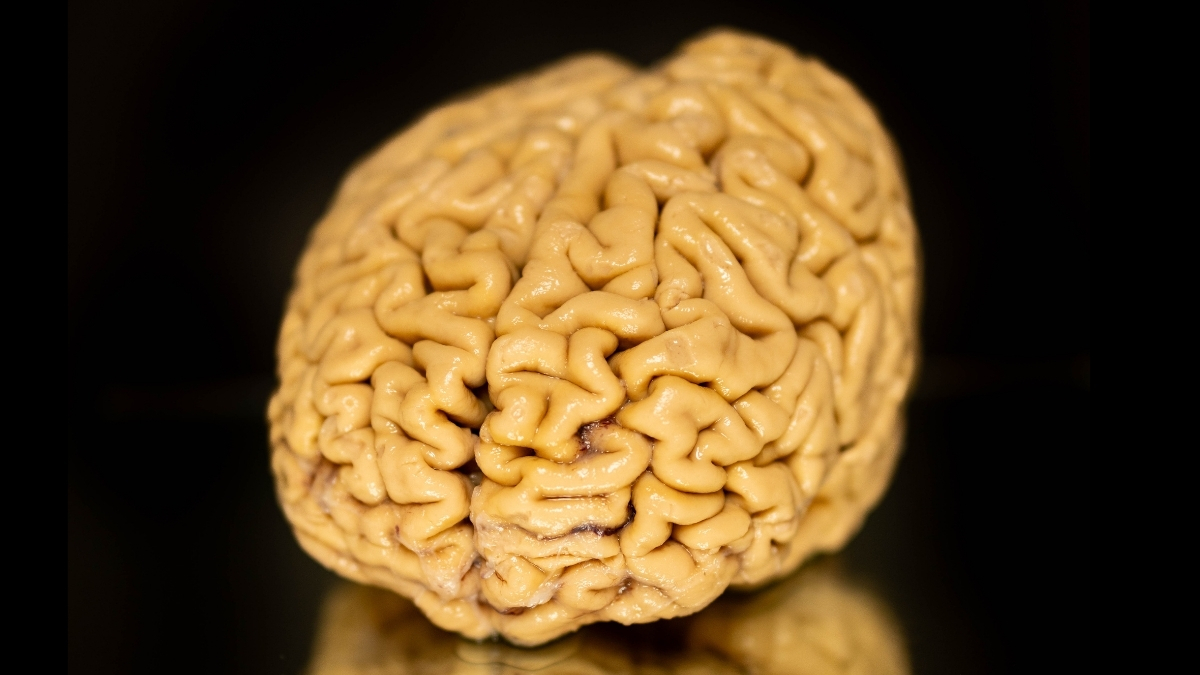
A groundbreaking study has unveiled the unique neurological traits of individuals classified as “superagers,” who maintain sharp cognitive abilities into their 80s and beyond. Researchers at Northwestern University have spent over 25 years investigating these exceptional individuals, revealing significant insights into their brain health. The findings challenge the long-held belief that cognitive decline is an unavoidable part of aging.
The research team, led by clinical neuropsychologist Sandra Weintraub, discovered that superagers exhibit a remarkable resilience against the typical neurological changes associated with Alzheimer’s disease. Specifically, their brains show an unusual resistance to the accumulation of amyloid plaques and neurofibrillary tangles, common indicators of Alzheimer’s. Additionally, superagers possess a higher concentration of specific neurons in the entorhinal cortex, a critical brain region involved in memory and navigation.
Key Biological Differences in Superagers
Through the study of 290 participants aged 80 and older, the researchers were able to distinguish superagers from those who age typically. This extensive research has highlighted two essential mechanisms that contribute to the cognitive prowess of superagers: resistance to Alzheimer’s-related changes and resilience to any existing damage.
Weintraub explained, “One is resistance: they don’t make the plaques and tangles typically associated with Alzheimer’s disease. Two is resilience: they make them, but they don’t do anything to their brains.” This dual mechanism of protection appears to stem from the structural integrity of their brains, with superagers displaying thicker layers in areas governing memory and cognition.
The study also identified that superagers tend to have larger entorhinal neurons, which facilitate communication with the hippocampus. This anatomical feature may play a crucial role in their cognitive longevity. Unlike typical aging individuals, who often experience thinning in the outer brain layer, superagers maintain a stable brain structure well into their later decades.
Social Traits and Lifestyle Factors
Interestingly, the study found that superagers do not necessarily adhere to healthier lifestyles. Some individuals within this group engage in habits such as smoking and moderate alcohol consumption. This suggests that their cognitive resilience may be largely attributed to biological factors rather than lifestyle choices.
Superagers demonstrate remarkable memory capabilities, recalling at least 9 out of 15 words from a list, a performance comparable to individuals in their 50s. Research indicates that less than 5% of the population qualifies as superagers, making them a rare and compelling subject for further study.
The research team, which also included clinical neuropsychologist Tamar Gefen, benefited from the generous donation of 79 superager brains for their analysis. These specimens provided invaluable insights into the brain’s structure and function, reinforcing the idea that superagers likely possess a higher density of von Economo neurons, which play a role in regulating attention, emotion, and decision-making.
In conclusion, the findings from this research, published in the journal Alzheimer’s & Dementia, pave the way for new interventions aimed at promoting brain health in older adults. By identifying the genetic and biological factors contributing to cognitive resilience, researchers hope to develop pharmaceuticals that mimic the protective effects found in superagers.
Understanding how cognition changes with age is crucial for enhancing the quality of life for the aging population. As Weintraub noted, “This research opens the door to new interventions aimed at preserving brain health well into the later decades of life.” The exploration of superagers not only enriches our understanding of brain health but also inspires hope for future advancements in combating age-related cognitive decline.
