



































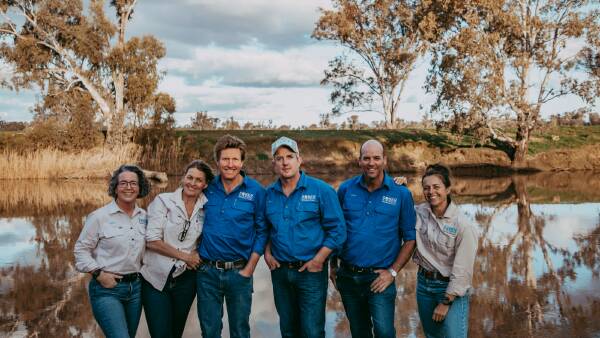
A Nuffield scholar from the Goondiwindi area, Dave Woods, has dedicated a year to exploring rural mental health solutions globally. His journey has led him to highlight a local initiative, Sober in the Country (SITC), which empowers individuals to make healthier choices regarding alcohol consumption. Woods believes this charity is at the forefront of addressing mental health challenges in rural Australia.
Woods, who operates the Southern Border Partnership with his wife, Alice, has focused his scholarship on understanding the stagnation in mental health outcomes despite increasing funding and awareness. His travels will conclude with visits to New Zealand in February 2024 and the United States in April 2024. Throughout this year, he has examined the limitations of existing mental health approaches, particularly the tendency to prioritize symptoms over underlying causes.
During his research, Woods identified a recurring theme: successful recovery relies significantly on an individual’s experience in a safe, non-judgmental environment. He has been actively involved with The Bush Tribe, an online peer-support network under SITC, for nearly two years. Woods asserts that such environments are crucial for vulnerable individuals, serving as essential support systems that facilitate engagement and recovery.
“The Bush Tribe distinguishes itself from other initiatives by what it intentionally avoids,” Woods explained. Unlike many programs, it does not preach or analyze participants but instead creates a space for supportive conversation. Ambassadors within the group do not dictate actions but foster a welcoming environment where individuals can share their experiences and strategies for reducing alcohol consumption.
These peer networks are rare but effective, particularly for rural men who may be hesitant to seek traditional treatment options. Woods pointed out that the absence of transactional dynamics makes these networks less intimidating, allowing individuals to engage more freely. He believes that this approach is a critical first step missing in much of the rural mental health landscape.
Woods is actively supporting SITC’s national campaign, The Big Shout, which aims to raise $1 million to expand the charity’s reach across rural Australia. The campaign invites individuals to consider contributing a “virtual shout” for those who might typically spend on alcohol. Woods emphasizes that the funding model is vital for preserving the supportive environment essential for engagement.
He argues that non-directive, trust-based philanthropy is crucial for maintaining the integrity of these support spaces. “Well-meaning pressure to formalize or professionalize too quickly can undermine the very conditions that make engagement possible,” he noted. Woods encourages others to contribute to SITC, highlighting the profound personal benefits he has experienced through the organization.
SITC’s founder and CEO, Shanna Whan AM, has also emphasized the charity’s role in addressing broader issues intertwined with alcohol harm, such as mental and physical health decline, suicide, and domestic violence. “Tackling one issue without acknowledging the others simply isn’t effective,” she stated.
With demand for SITC’s services growing, Whan noted the urgent need to scale operations. The Big Shout campaign is designed to enable this growth, facilitating online peer support, connecting individuals with vetted services, and implementing workshops like #OK2SAYNO across communities.
Major agricultural organizations, including the Australian Agricultural Company and Delta Agribusiness, are getting involved in the campaign. AACO’s CEO, David Harris, indicated that their support aligns with a commitment to improving health and mental well-being. “We’re proud to support Sober in the Country, and we will be rolling out the charity’s #OK2SAYNO workshops across our stations in the year ahead,” he shared.
Woods’ insights and experiences underscore the critical need for innovative approaches to rural mental health. By fostering safe, supportive environments, initiatives like Sober in the Country are paving the way for meaningful change in the lives of individuals in rural communities.
