



































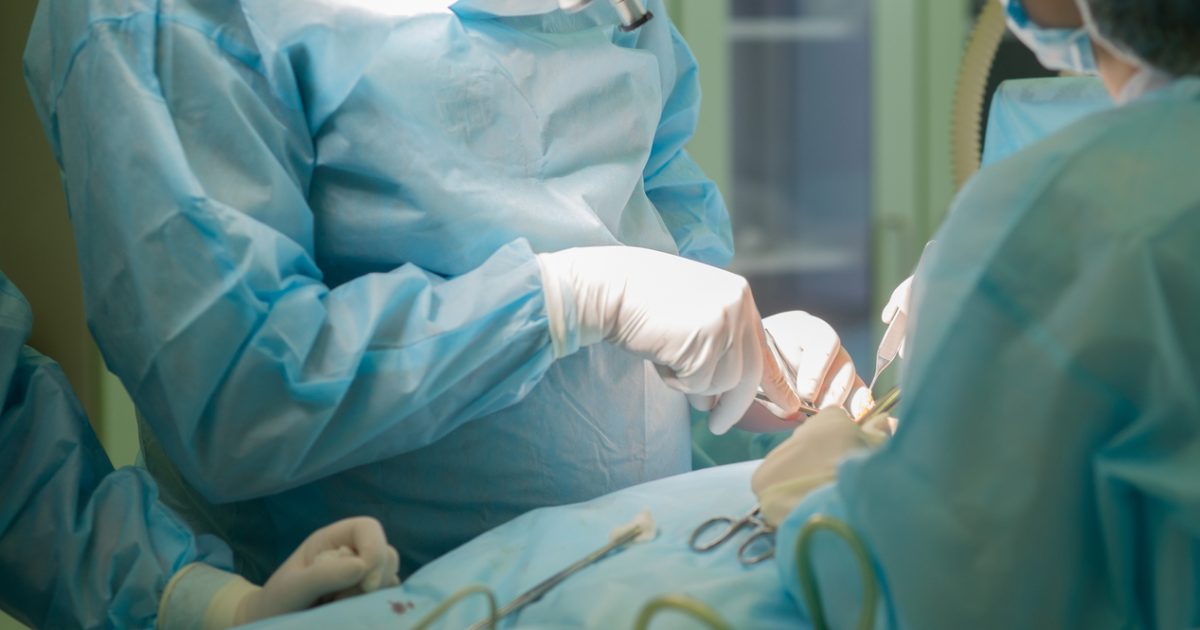
Public hospitals across Australia are experiencing a significant increase in elective surgery admissions, according to the latest data from the Australian Institute of Health and Welfare (AIHW). The independent agency, which provides essential health statistics to guide policy, revealed that public hospital admissions for elective procedures reached approximately 791,000 in the fiscal year 2024–25, a notable rise from 712,000 a decade earlier.
The AIHW’s latest report, titled the Hospitals Platform, highlights various trends in elective surgeries, including wait times at national, state, and hospital levels. Among the most significant findings is a marked increase in elective eye surgery, with cataract procedures leading the way. In 2024–25, there were 88,000 admissions for cataract surgery, up from 84,000 in the previous year. AIHW spokesperson Clara Jellie noted that half of these patients were admitted within 106 days, a substantial improvement from the 189-day average reported in 2023–24.
Elective Surgery Trends and Wait Times
The report indicates that 50 percent of patients on public hospital elective surgery waiting lists were admitted within 45 days in 2024–25, showing consistency with the 46-day average from the previous year. Notably, only six percent of patients waited more than a year for their elective procedures. Elective surgeries are planned operations, arranged in advance following a specialist’s assessment. While many of these surgeries are considered medically necessary, they do not arise from emergency situations.
The AIHW report also underscores that most elective surgeries in Australia occur in private hospitals. This data, however, focuses on the procedures performed in public hospitals after patients are placed on waiting lists. It is important to note that the waiting times data is recorded post-surgery, meaning it does not reflect the current status of those still awaiting treatment.
Emergency Department Presentations on the Rise
In addition to elective surgery statistics, the report also outlines general trends in Emergency Department (ED) presentations across public hospitals. In 2024–25, there were approximately 9.1 million ED presentations, translating to a rate of 328 presentations per 1,000 population. This marks an increase from 7.6 million presentations and a rate of 316 per 1,000 in 2015–16.
Half of the patients presenting to EDs were seen within 18 minutes, consistent with the previous year. Nevertheless, around 10 percent of patients, or one in ten, waited longer than one hour and 58 minutes to receive care. Overall, 67 percent of patients were treated within the time frame appropriate for their triage category, which includes those requiring immediate attention.
More than half of the individuals who visited an ED—53 percent—had their care completed within four hours, slightly down from 55 percent in 2023–24. Of those subsequently admitted to the same hospital, just under 30 percent of ED presentations were resolved within that four-hour window.
Demographically, men accounted for 49 percent of all ED presentations. The most frequent triage categories were Urgent at 42 percent, Semi-urgent at 34 percent, and Emergency at 18 percent. Notably, children aged four years and under made up 10 percent of presentations, while young adults aged 15 to 44 represented 37 percent, and seniors aged 65 and over accounted for 24 percent. Among patients aged 65 and over, 52 percent were admitted to the hospital, compared to 30 percent for the overall patient population.
As Australia navigates the complexities of healthcare delivery, the data from the AIHW provides crucial insights into the growing demand for elective surgeries and the challenges faced in emergency care settings. This information is vital for policymakers and health administrators as they work to enhance service delivery and patient care across the public health system.
