



































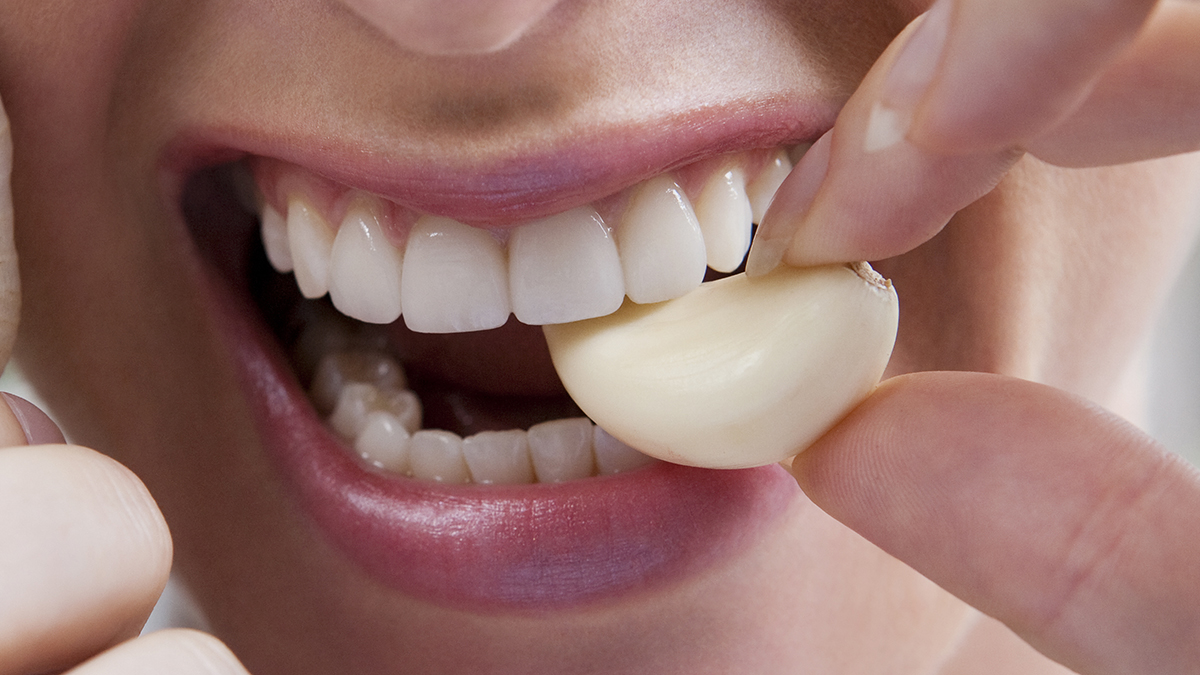
Research from the University of Sharjah in the United Arab Emirates indicates that garlic extract could serve as an effective alternative to chlorhexidine, the current gold standard in mouthwash ingredients. This finding stems from a review of five prior studies that explored the antibacterial capabilities of garlic compared to chlorhexidine in humans. The results suggest that garlic mouthwash is comparable in its ability to reduce harmful bacteria in the mouth, particularly Mutans Streptococci (MS), which is primarily responsible for tooth decay.
Garlic vs. Chlorhexidine: A Closer Look
According to the researchers, while chlorhexidine is widely recognized for its effectiveness, it is also associated with various side effects and concerns regarding antimicrobial resistance. In their published findings, the researchers state, “Garlic extract can serve as a viable alternative to chlorhexidine, especially at higher concentrations.” They noted that concentration plays a significant role in effectiveness; a 0.2-percent chlorhexidine solution outperformed a 2.5-percent garlic solution in reducing MS in saliva. However, when the garlic solution was increased to a 3-percent concentration, it surpassed chlorhexidine’s effectiveness.
Despite its promising results, the studies indicate that garlic mouthwash is not without its drawbacks. Participants reported experiencing a strong taste, bad breath, and greater sensations of spiciness and burning in the mouth. While these are generally considered mild compared to the side effects of chlorhexidine, which include teeth staining, they must be weighed against the potential for user adherence to a garlic-based mouthwash.
Concerns About Antimicrobial Resistance
Concerns surrounding chlorhexidine primarily relate to the potential for antimicrobial resistance. Previous studies have suggested that repeated exposure to chlorhexidine may enable bacteria to develop resistance to it and other treatments. The researchers highlighted this issue, stating, “Prolonged or low-level exposure [to chlorhexidine] can promote antimicrobial resistance and cross-resistance to antibiotics.” This growing concern underscores the need for safer and equally effective alternatives like garlic extract.
Garlic has a long history as a natural remedy, recognized for its health benefits for thousands of years across various ancient civilizations, including Rome, Egypt, and China. The key component responsible for garlic’s beneficial effects is allicin, which forms when garlic is chopped or crushed. Allicin disrupts bacterial growth and reduces cellular stress while imparting garlic’s distinctive aroma.
While these initial findings are promising, the researchers stress the necessity for further investigation. The five studies reviewed each featured limited participant numbers, and larger-scale studies are needed to confirm the effectiveness of garlic extract as a mouthwash alternative. They concluded, “Further clinical studies with larger samples and longer follow-up are needed to confirm effectiveness and improve clinical applicability.”
The research has been published in the Journal of Herbal Medicine, contributing to the ongoing exploration of natural alternatives in health care. As consumers increasingly seek effective solutions with fewer side effects, garlic extract might be on the path to becoming a standard option for oral hygiene.
