



































Scientists have unveiled significant advancements this week, including a new standard measure for cannabis consumption, the discovery of ancient lifeforms that challenge existing classifications, and groundbreaking health findings linking vaccines to biological aging.
New Standard for Cannabis Use Proposed
Researchers in the United Kingdom have introduced a standardized measure for cannabis consumption based on tetrahydrocannabinol (THC) units. This development aims to assist users and healthcare providers in monitoring cannabis intake more effectively. According to the estimates, a typical 0.45-gram joint of strong herbal cannabis may contain approximately 12.78 THC units, while weaker herbal cannabis varieties might deliver only 3.78 THC units. This new metric could pave the way for more informed consumption practices among users.
Mysterious Ancient Lifeforms Challenge Scientific Understanding
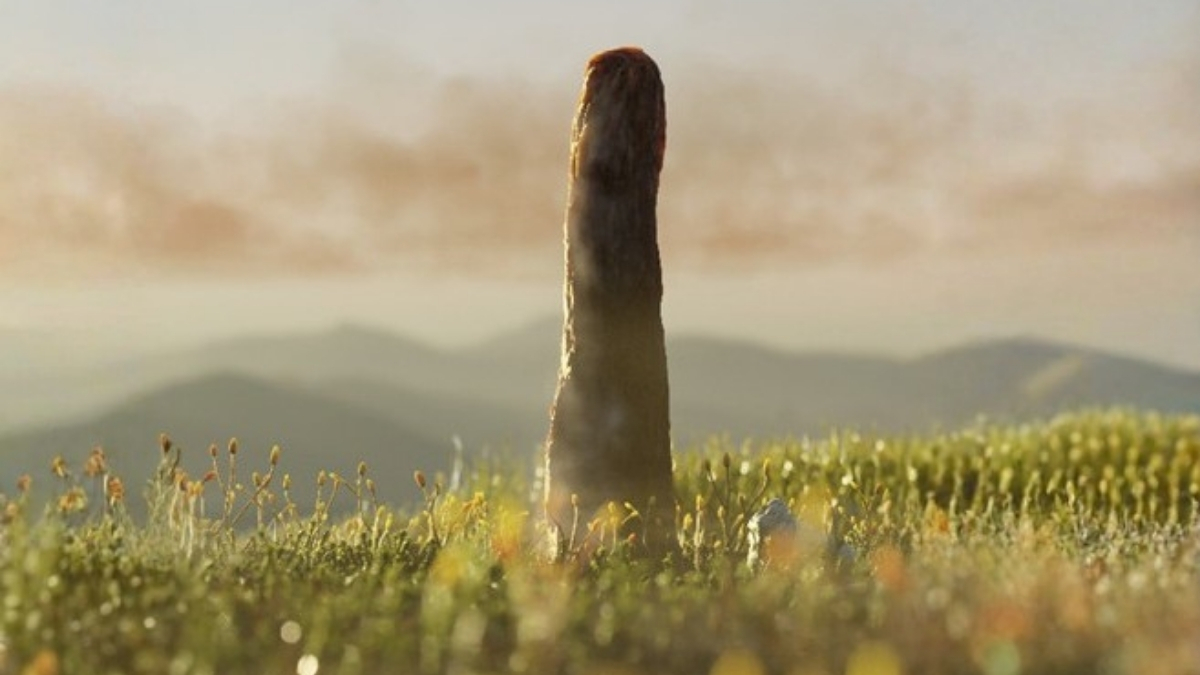
A recent study has shed light on Prototaxites, towering organisms that reached heights of 8 meters (26 feet) and roamed the Earth around 400 million years ago. This research raises intriguing questions about classification, as Prototaxites does not align with any known categories of life today. Through extensive analysis of its microscopic anatomy and chemical structures, researchers systematically ruled out potential biological relatives, including fungi, plants, and animals. Lead investigator Maxime Aubert from Griffith University stated that these findings suggest a need to reconsider our understanding of ancient life forms.
The implications of this research extend beyond mere classification; it invites a broader exploration of the evolutionary history that has shaped life on Earth.
Health Discoveries: Alcohol Production in the Gut
In another significant health revelation, scientists have identified the bacteria responsible for a rare syndrome where alcohol is produced in the gut without direct alcohol consumption. The bacteria E. coli and K. pneumoniae have been pinpointed as key players in this phenomenon. The findings suggest that dietary changes, stool transplants, or probiotics could provide relief by promoting beneficial gut bacteria that can effectively metabolize ethanol.
Ancient Rock Art Unearthed in Indonesia
Archaeological research has led to the discovery of the world’s oldest known rock art in a cave in Indonesia, dating back at least 67,800 years. This significant find suggests a rich and previously hidden cultural tradition. Maxime Aubert, who co-led the research, explained that the ongoing discoveries in Indonesia are likely part of a much deeper historical narrative that has only recently begun to surface.
Breakthrough in Low-Calorie Sugars
In nutritional science, researchers have developed a natural sugar known as tagatose, which is 92% as sweet as sucrose but contains only 30% of the calories. Notably, tagatose does not cause the insulin spikes associated with traditional sugars or artificial sweeteners, making it a promising option for individuals managing diabetes or blood glucose levels.
Shingles Vaccine Linked to Slower Aging
A study involving 3,800 people over the age of 70 has found a connection between the shingles vaccine and slower biological aging. Conducted by gerontologists at the University of Southern California, the research indicates that the vaccine may have enduring effects on aging-related processes, potentially reducing inflammation and promoting overall health.
These developments highlight the ongoing evolution of our understanding of health, history, and biology, emphasizing the dynamic nature of scientific inquiry and its profound implications for society.
