



































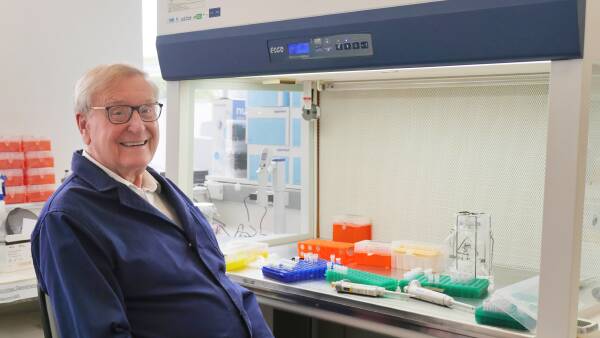
A promising new vaccine for Q fever, which shows potential to be cheaper and easier to use than the existing option, is currently stalled due to funding issues. The vaccine has successfully passed animal trials, but further development will require funding of up to $1.5 million for the next testing phase.
The vaccine’s development is spearheaded by Dr. Stephen Graves, medical director of the Australian Rickettsial Reference Laboratory. He aims to create an alternative to Q-Vax, the only approved vaccine against Q fever, a disease primarily spread by livestock. In 2025, Queensland accounted for nearly half of Australia’s 875 Q fever cases, with numerous reports of lingering symptoms such as debilitating fatigue among infected individuals.
Currently, the cost for vaccination stands at over $380, and the prerequisite testing to determine prior infection can delay employment for new workers in feedlots and abattoirs by several weeks. Dr. Graves explained that the new vaccine could significantly reduce costs by using live cultures grown in a chemical liquid instead of embryonated chicken eggs.
“Our initial lab work and animal trials wrapped up in mid-2025,” Dr. Graves stated. “We found the new vaccine to be effective in guinea pigs, and crucially, those already immune did not have adverse reactions.” He added that if human testing goes well, individuals could receive the vaccine on the same day without the need for pre-testing. A second dose may be required four to six weeks later for full immunity.
Despite the vaccine’s potential, financial support remains the primary obstacle to advancing to human trials. “We are seeking between $1 million and $1.5 million for a phase one study in humans, starting with one person and scaling up to larger groups,” Dr. Graves noted. If funding comes through timely, he estimates that the vaccine could be ready for the market in about five years.
Cattle Australia has urged both political parties to pledge $3 million to expedite the vaccine’s development ahead of the 2025 federal elections. “The release of a new vaccine must be accompanied by a national program to safeguard cattle producers and meat workers,” said then-president Dr. Chris Parker. “The current vaccination process is cumbersome, leaving too many individuals unprotected and unable to work.”
As of now, there is no public evidence that the federal government has allocated funds for the new Q fever vaccine since the elections. A spokesperson from the Australian Centre for Disease Control emphasized various protective measures against Q fever, including vaccination and hygiene practices. They advised individuals working with animals to wash hands after contact, properly launder contaminated clothing, and keep wounds covered in high-risk environments.
When questioned about potential funding for further research into a more accessible Q fever vaccine, the spokesperson did not provide a comment.
The Q fever situation remains concerning, with 413 cases reported in Queensland and 875 cases nationally in 2025. This number represents a significant increase of approximately 50 percent over the five-year historical average of 584.4 cases, according to data from the ACDC. A representative from Queensland Health noted that most cases occur among adults exposed to livestock or contaminated dust.
“Queensland Health is actively involved in statewide Q fever surveillance and collaborates with animal health authorities to mitigate exposure in high-risk settings,” the spokesperson said. “These efforts are vital to reducing ongoing transmission.”
Currently, the only producer of the Q fever vaccine is Commonwealth Serum Laboratories Seqirus. As of publication, CSLS has not responded to inquiries regarding efforts to reduce Q-Vax costs or interest in funding new research for Q fever vaccination.
The future of the new vaccine hinges on securing the necessary funding and support from both government and commercial partners, underscoring the importance of collaboration in addressing public health challenges.
