



































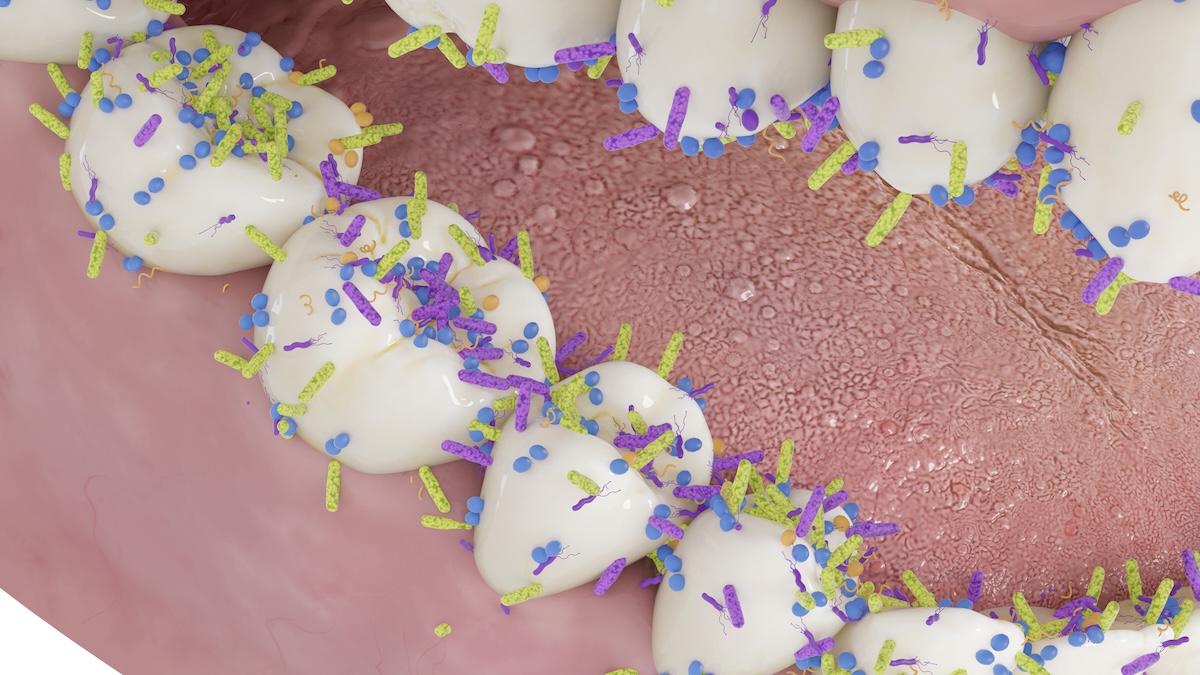
A recent study conducted by researchers at Aarhus University in Denmark has identified a potential method for preventing tooth decay by increasing levels of an amino acid found in saliva. The study highlights how arginine can transform harmful bacterial biofilms in the mouth into protective barriers against tooth decay.
Tooth decay is primarily exacerbated by bacteria that thrive on sugar, which, rather than directly harming the teeth, creates acidic byproducts that erode tooth enamel. The study, published in The International Journal of Oral Science, provides evidence that arginine can significantly alter the behavior of these bacteria.
Yumi Del Rey, a microbiologist at Aarhus University, stated, “Our results revealed differences in acidity of the biofilms, with the ones treated with arginine being significantly more protected against acidification caused by sugar metabolism.” This suggests that arginine can shift the balance of oral microbiomes in favor of protecting tooth enamel.
The research involved ten participants who wore specially designed dentures for four days, allowing for the development of biofilms on their lower teeth. The dentures were treated three times daily in a controlled setting. The procedure began with exposure to a solution containing 10 percent sucrose, after which one side of the biofilm was treated with an arginine solution, while the other side was immersed in distilled water.
After four days, the biofilms were analyzed, revealing that those treated with arginine maintained higher pH levels after being exposed to sugar again. In simple terms, a higher pH indicates lower acidity, which is beneficial for dental health.
The research team, led by Sebastian Schlafer, focused on the changes in the types of bacteria and sugars present in the biofilms. They observed that arginine treatment resulted in lower levels of a sugar called fucose, while another sugar, galactose, was located more towards the outer surface of the biofilm, further away from the tooth surface.
Moreover, genetic analysis of the bacteria indicated that arginine treatment significantly reduced the population of acid-producing Streptococcus bacteria while promoting strains that can metabolize arginine. This shift in bacterial populations may contribute to the protective effect against decay.
Despite the promising results, researchers noted variability in responses among participants. Some individuals did not show significant benefits from the treatment, and the team could not directly link this variability to clear differences in microbial or sugar populations.
The findings open avenues for further exploration into how arginine can enhance oral hygiene products such as toothpaste and mouthwash. Since arginine is naturally present in saliva and is already used safely in medical treatments for conditions like high blood pressure, its incorporation into dental care products could be both effective and safe.
As research continues, the potential for arginine as a preventive measure against tooth decay may revolutionize oral health care, providing a new tool in the fight against cavities.
