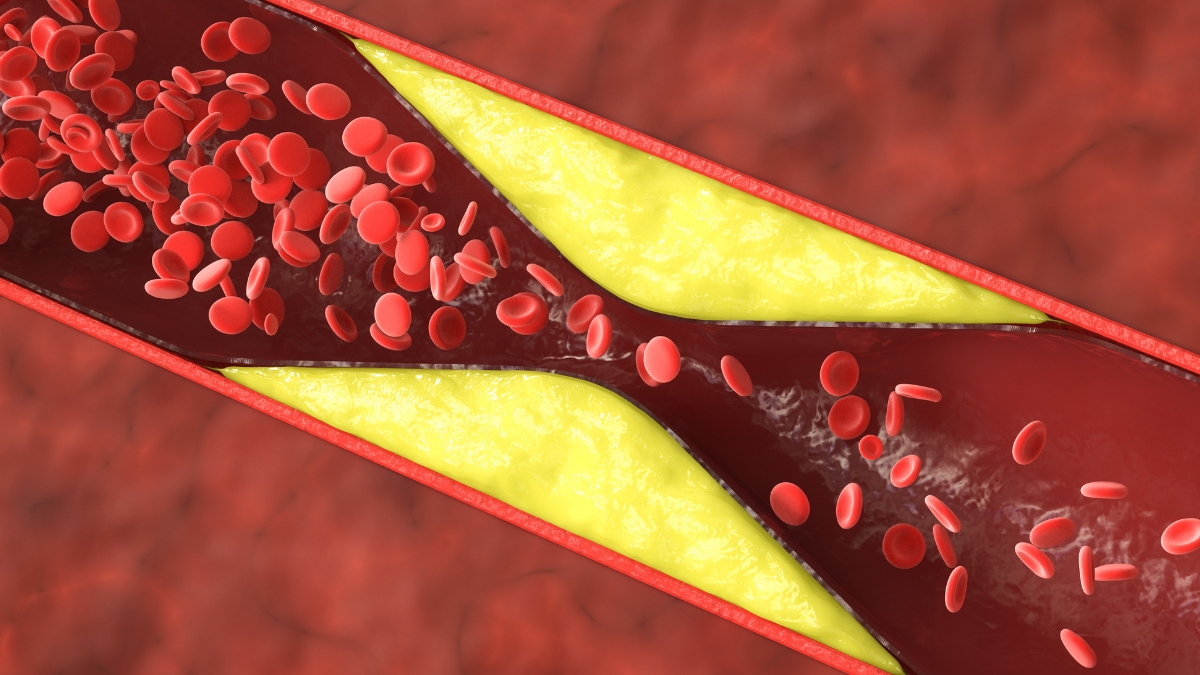
Recent research from the Mayo Clinic reveals that over 50% of heart attacks in younger women are not due to clogged arteries, challenging long-standing beliefs in cardiovascular health. The study analyzed 1,474 heart attack events involving individuals aged 65 or younger in Olmsted County, Minnesota, between 2003 and 2018. This comprehensive review of medical records and imaging has significant implications for the prevention and treatment of heart disease.
The findings indicate that while atherothrombosis, characterized by blood clots obstructing blood flow, accounted for approximately 75% of heart attacks in men, it was responsible for only 47% of heart attacks in women. This stark contrast highlights the need for a reevaluation of how heart attacks are understood and treated, particularly for women.
Understanding Alternative Causes of Heart Attacks
The study identified that 34% of heart attacks in women were linked to supply/demand mismatch secondary myocardial infarctions (SSDMs). This condition arises from an imbalance between oxygen supply and demand, often triggered by factors such as anemia or infections. Other notable contributors included spontaneous coronary artery dissections (SCADs) and embolisms, where blood clots travel from other parts of the body.
According to cardiologist Claire Raphael, “This research shines a spotlight on heart attack causes that have historically been under-recognized, particularly in women.” Misdiagnosis of heart attack causes can lead to ineffective or even harmful treatments, emphasizing the importance of accurate identification.
The researchers noted that SSDMs were the leading cause of heart attacks in women aged 45 years or younger. They also found that non-atherothrombotic causes, such as SCAD and embolism, were as prevalent as atherothrombosis in this demographic. Alarmingly, individuals who experienced SSDMs exhibited the highest mortality rates from any cause within the following five years. The authors suggested that this trend may relate to a population at greater risk from underlying non-cardiac diseases.
Implications for Diagnosis and Treatment
The study further revealed that a significant number of SCAD-related heart attacks in women were misattributed to atherothrombosis, occurring nearly six times more frequently than previously thought. This misdiagnosis raises concerns about the effectiveness of current prevention strategies. As cardiologist Rajiv Gulati states, “Our research highlights the larger need to rethink how we approach heart attacks in this patient population, and for younger adult women, in particular.”
The differences in heart attack risk factors between men and women warrant further investigation, which could include factors affecting women differently or a tendency for women to seek medical help less frequently. Future research should aim to explore these disparities while applying the same analytical methods to larger, more diverse groups.
In the United States, someone suffers a heart attack approximately every 40 seconds. As awareness of heart disease risk factors, including lifestyle choices, continues to grow, so too does the understanding of how to prevent heart attacks. Recent advancements in heart imaging technology have improved diagnosis and treatment, yet studies show that current screening techniques may still fail to identify nearly half of those experiencing heart attacks.
For instance, an analysis of health records indicated that 45% of patients under 65 categorized as low or borderline risk just two days before their heart attack. This data underscores the necessity of reevaluating risk assessment methods, particularly the atherosclerotic cardiovascular disease (ASCVD) score, which often dictates monitoring and treatment decisions.
Raphael, Gulati, and their colleagues advocate for increased awareness of alternative heart attack causes among healthcare professionals and the public. “Understanding why a heart attack happened is just as important as treating it,” emphasizes Raphael. “It can mean the difference between recovery and recurrence.”
The research findings are published in the Journal of the American College of Cardiology, contributing to the ongoing discourse on heart health and the need for tailored approaches in treatment and prevention strategies.