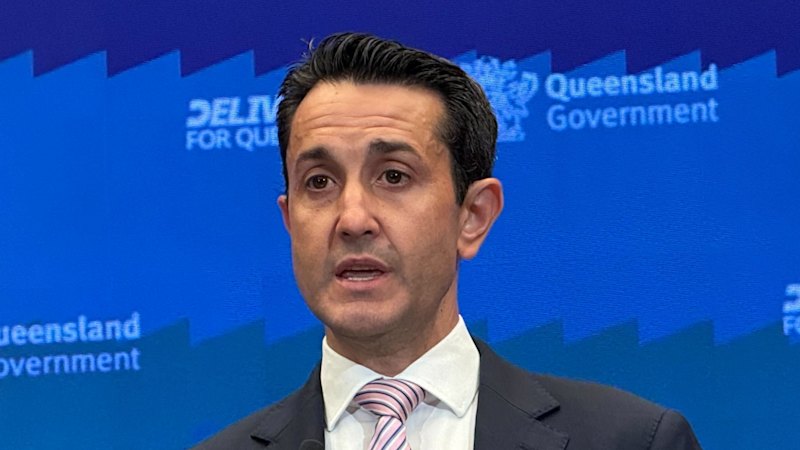
Queensland Premier David Crisafulli has issued a firm ultimatum regarding health funding ahead of national cabinet discussions scheduled for January 29, 2026. Crisafulli stated that he will not agree to any deal unless the Commonwealth significantly enhances its current financial offer to address critical healthcare issues in the state.
The latest proposal from the Albanese government, introduced in December 2025, offered $23 billion for public hospital funding over a five-year period, alongside an additional $2 billion over four years to assist elderly patients who remain in hospitals due to the lack of available aged care placements. This offer has been largely rejected by all state and territory governments, with Queensland’s Health Minister Tim Nicholls highlighting that it fails to adequately resolve the plight of stranded aged care patients.
Stranded Aged Care Patients Remain a Key Issue
According to Nicholls, approximately 900 aged care patients are currently stuck in Queensland hospitals, unable to be discharged due to the unavailability of aged care homes. This situation has prompted the Queensland government to seek targeted solutions, including partnerships with the private sector to develop new aged care facilities.
As the national cabinet meeting approaches, Crisafulli expressed optimism about negotiating a “first-class health deal” for Queensland. However, he made it clear that without a fair offer addressing the urgent needs of stranded Australians, the state would not consent to the existing proposal.
“We’re going to Sydney with an open mind … [but] unless the health deal that is put on the table is a fair one in terms of funding and addressing the issue of stranded Australians in our hospitals, we won’t be signing,” said Crisafulli.
The Queensland government has consistently emphasized its significant number of stranded aged care patients, indicating that a collaborative approach with the federal government is essential for resolving this crisis. Nicholls noted that many patients in hospitals cannot afford the full range of services offered by private aged care providers, which necessitates federal support.
Historical Context and Future Implications
The ongoing funding dispute traces back to a commitment made by the Albanese government in 2023, which aimed to increase its share of public hospital funding to 42.5 percent by 2030 and 45 percent by 2035. This commitment was contingent upon states and territories contributing to funding for disability services. However, accusations from Nicholls and other state ministers suggest that the federal government has not upheld its end of the agreement, with projections indicating that the current offer falls several billion dollars short of earlier promises.
In response to the escalating tensions, the Albanese government has pointed to state overspending and urged health ministers to rein in costs to facilitate a viable funding arrangement. The outcome of the upcoming national cabinet meeting could have significant implications for healthcare delivery and aged care accessibility in Queensland and beyond.
As discussions unfold, all eyes will be on both the state and federal governments to see if a resolution can be achieved that addresses the pressing healthcare needs of Queensland residents.