



































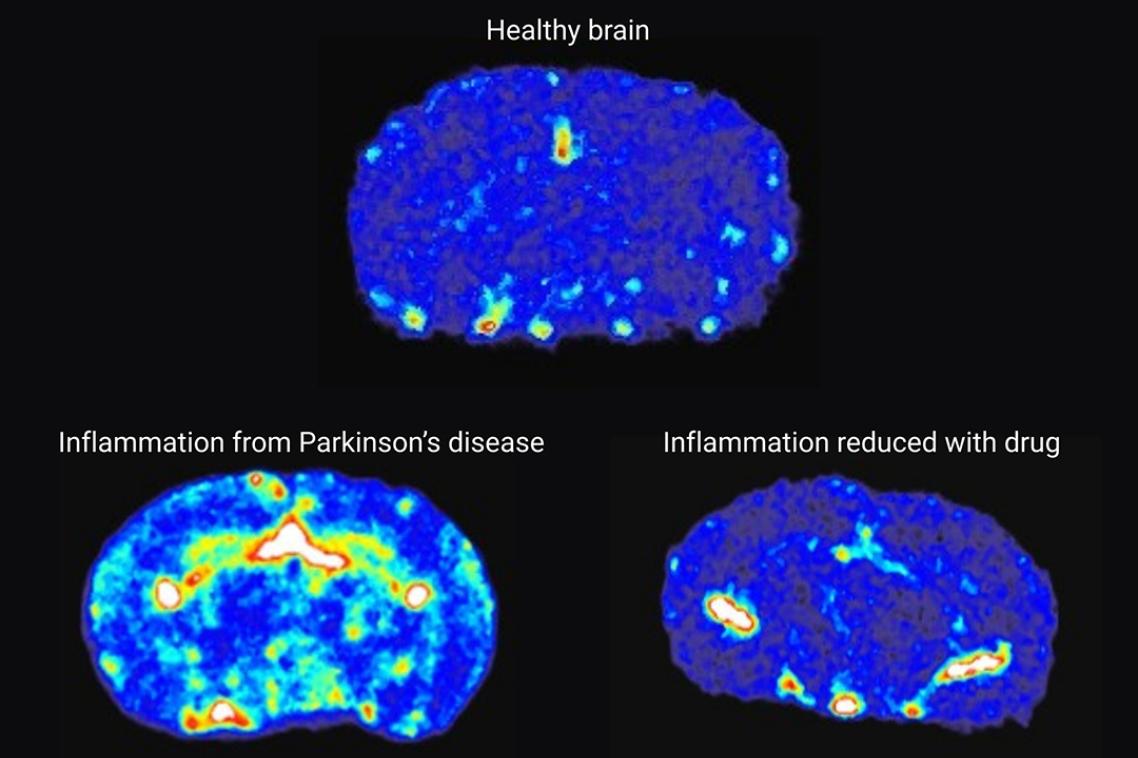
Researchers at the University of Queensland have made significant strides in the treatment of Parkinson’s disease with the development of a new anti-inflammatory drug. This breakthrough, led by Dr. Eduardo Albornoz Balmaceda, represents a potential shift in how the disease is managed, particularly in terms of slowing its progression.
In tests conducted on mouse models, the newly engineered oral drug demonstrated its ability to block brain inflammation and enhance motor function. Dr. Albornoz Balmaceda explained, “Inflammation acts like a slow-burning fire in the brain, progressively damaging the neurons that produce dopamine, the chemical which controls movement.” The study highlights how the drug targets specific components of the immune system known as “inflammasomes,” reducing inflammation and preventing further neuronal damage.
Real-Time Monitoring of Treatment Effects
The research team employed advanced imaging techniques, including simultaneous positron emission tomography (PET) and magnetic resonance imaging (MRI), at the Centre for Advanced Imaging at UQ. This allowed them to observe the drug’s impact in real-time. “What’s most exciting is we could actually see these changes happening in the living brain,” Dr. Albornoz Balmaceda commented. This imaging method is pivotal for tracking disease progression and will aid in the design of future clinical trials involving human subjects.
According to Professor Trent Woodruff, who leads the Neuroinflammation Lab at UQ, these findings represent a vital advancement in the quest for disease-modifying therapies. “Parkinson’s is one of the fastest growing neurodegenerative diseases, and it is expected to impact more than 25 million people by 2050,” he stated. While existing therapies can alleviate symptoms, they do not significantly halt the disease’s advancement. The new drug aims to address this critical gap.
Contribution of Key Organizations
The study also revealed that brain scans showed the typical loss of dopamine-producing neurons associated with Parkinson’s disease, with improvements observed following treatment. This drug was developed by Inflazome, a company established through collaboration between UQ and Trinity College Dublin. Inflazome, founded in 2016 with support from UQ’s commercialization arm, UniQuest, was later acquired by Roche.
The research received backing from several esteemed organizations, including the NHMRC, The Michael J. Fox Foundation, and the Shake It Up Australia Foundation. The findings of this pivotal study have been published in the journal Brain, outlining a promising future for those affected by Parkinson’s disease.
