



































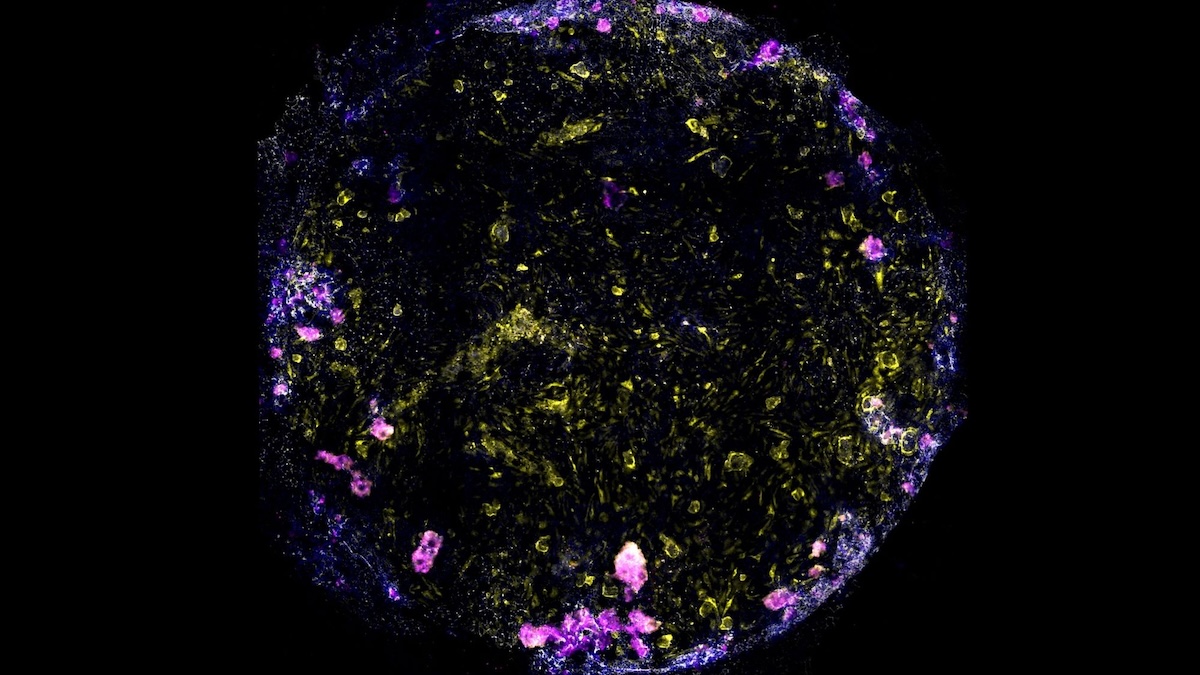
Researchers at the Massachusetts Institute of Technology (MIT) have successfully developed a lung-on-a-chip model that mimics human breathing. This innovative technology serves as a platform to study respiratory diseases, including tuberculosis (TB). The experiment revealed critical insights into how TB bacteria interact with lung tissues, providing a valuable tool for future medical advancements.
The lung-on-a-chip model is a microfluidic device that replicates the structure and function of human lungs. This system was designed to simulate the breathing process, allowing scientists to observe the effects of TB in real-time. The results of this groundbreaking study were published in May 2023 in the journal *Nature Biomedical Engineering*.
Dr. Timothy M. Wang, a lead researcher in the study, explained that traditional methods of studying TB often involve animal models, which do not always accurately represent human responses. The lung-on-a-chip offers a more precise approach, enabling researchers to gain insights that could lead to better treatment strategies.
The team introduced Mycobacterium tuberculosis into the lung-on-a-chip system to observe how the bacteria interacted with lung cells. They found that the TB bacteria could evade the immune response, highlighting the challenges of treating this disease. The ability to directly observe these interactions opens new avenues for research and drug development.
Potential Impact on TB Research
Tuberculosis remains a significant global health concern, with the World Health Organization (WHO) reporting an estimated 10 million new cases worldwide in 2021. The disease is particularly prevalent in low- and middle-income countries, where healthcare resources are limited. Researchers believe that advancements like the lung-on-a-chip could significantly impact the fight against TB by providing a platform for testing new therapies and vaccines.
The National Institutes of Health (NIH) has recognized the potential of this research, providing funding to further develop the lung-on-a-chip technology. The goal is to create a more comprehensive understanding of how respiratory pathogens function and interact with human tissues.
The lung-on-a-chip model also has broader applications beyond TB. Researchers are exploring its use for other respiratory diseases, such as influenza and COVID-19. This versatility could lead to improved therapeutic options across multiple infectious diseases.
As this technology continues to evolve, it may also facilitate personalized medicine approaches. By using patient-derived cells in the lung-on-a-chip, researchers could tailor treatments based on individual responses to infections.
The progress made by the team at MIT marks a significant step forward in respiratory disease research. With continued support and investment, the lung-on-a-chip model could revolutionize our understanding of TB and other lung-related conditions, ultimately improving patient outcomes worldwide.
In summary, the development of the lung-on-a-chip model represents a pivotal advancement in the study of tuberculosis. By providing a realistic environment to study disease interactions, scientists are poised to make significant contributions to the field of respiratory health.
