



































A significant breakthrough in cancer research has emerged as scientists at the University of Sydney have identified the genetic mechanism that allows glioblastoma to evade chemotherapy, shedding light on why the disease often returns. This discovery could pave the way for the development of new treatments for this aggressive form of brain cancer.
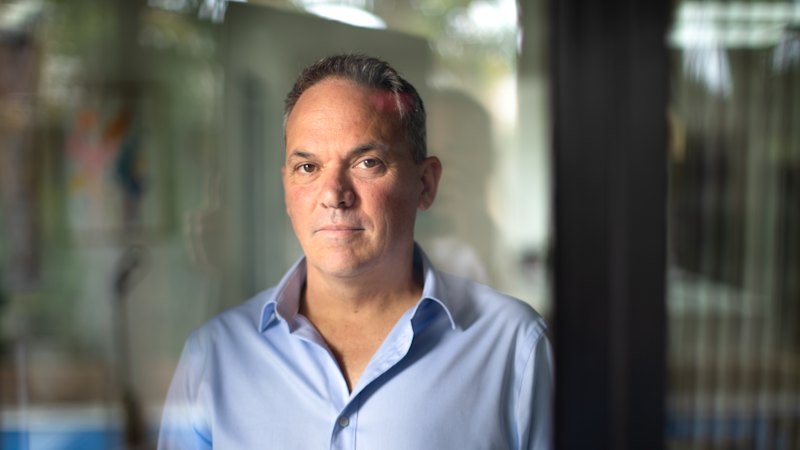
Mark Norris, a 52-year-old executive from Melbourne, was diagnosed with glioblastoma in January. Following a harrowing experience that began with a medical appointment where he lost spatial awareness, an MRI revealed a massive tumour pressing on his brain. “They basically put me into surgery within hours, and I wasn’t expected to survive the operation,” Norris recounted. Despite the dire circumstances, he survived the procedure but faced the grim reality of having completed six months of intensive radiation and chemotherapy, with no further options available.
Norris expressed the emotional toll of living with the knowledge that his cancer is likely to return. “To have no options and to know that it’s going to come back, and to have no timeframe around that, it just destroys your family,” he stated.
The research published in Nature Communications earlier this month revealed that glioblastoma contains a small population of drug-resistant “persister cells.” These cells lie dormant during chemotherapy but can proliferate once the treatment ends. The growth of these persister cells is driven by the PRDM9 gene, typically involved in regulating chromosomal changes. This gene can be exploited by glioblastoma cells to produce the cholesterol necessary for survival.
Lead author Professor Lenka Munoz explained that shutting off this gene immediately after chemotherapy can significantly reduce the number of persister cells. “When you turn off that fertility gene … they basically do not have a supply of cholesterol, and they die,” she noted. This finding marks the first time the role of PRDM9 in glioblastoma recurrence has been established.
While human trials are still years away, researchers are collaborating with the Australian company Syntara to explore potential drug options in animal models. The standard treatment for glioblastoma has remained largely unchanged for decades, with the median survival rate hovering around 15 months.
In addition to Norris, other patients are participating in experimental treatments, including Richard Scolyer, a former joint Australian of the Year diagnosed with a similar aggressive form of cancer in 2023. Both men are involved in fundraising initiatives with Tour de Cure to support ongoing research.
Norris remains hopeful despite the challenges. “I’m not going to be here to run it through [to find a cure],” he said. “So I hope people hear the message and drive that message forward.” As scientists continue to unravel the complexities of glioblastoma, the hope is that new treatments will emerge, transforming the lives of those affected by this devastating disease.
