



































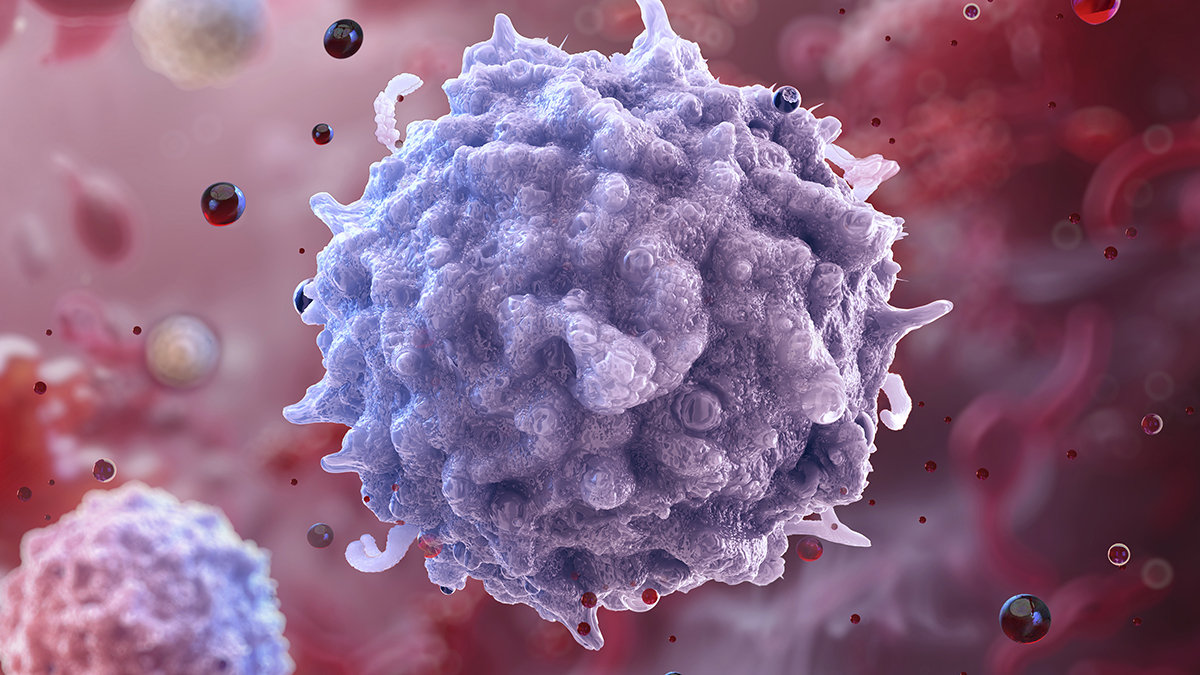
Research from the **Broad Institute of MIT and Harvard** has revealed a promising technique to rejuvenate the aging immune system, which typically declines in function as individuals grow older. This decline increases vulnerability to diseases, including cancer and infections. The breakthrough focuses on enhancing the production of T cells, crucial components of the immune system that serve as defenders against various health threats.
The thymus, a small organ located in front of the heart, plays a vital role in T cell development. Unfortunately, it begins to shrink and functions less effectively after early adulthood, leading to decreased T cell production. Researchers investigated ways to restore this function and found a novel approach using the liver as a substitute for thymic activity.
Repurposing the Liver for Immune Enhancement
In their study, the scientists conducted experiments using mouse models to identify key signaling proteins that decline with age: **DLL1**, **FLT3-L**, and **IL-7**. These proteins are essential for transforming precursor cells into T cells and maintaining their health. The team then developed a messenger ribonucleic acid (**mRNA**) treatment designed to instruct the liver to produce these proteins.
The liver, known for its high output of proteins and its accessibility for treatments, served as an ideal target for this innovative therapy. By injecting the mRNA treatment into older mice over a four-week period, researchers observed significant increases in both the number and diversity of T cells. Notably, these T cells exhibited enhanced responses to vaccinations and demonstrated improved abilities to combat cancer tumors.
According to **Mirco Friedrich**, a neuroscientist at MIT, “As we get older, the immune system begins to decline. We wanted to think about how we can maintain this kind of immune protection for a longer period of time.” This research marks a significant step in efforts to bolster immune health in aging populations.
Temporary Boost with Minimal Risks
The increase in T cell production achieved through this liver-based method was temporary, which is a significant advantage. This temporary effect helps mitigate the risk of overstimulating the immune system, which can lead to inflammation and autoimmunity, where the body mistakenly attacks its own tissues.
The findings are still in preliminary stages, and further research is required to validate the effectiveness of this approach in humans. The research team plans to expand their studies to include other animal models and explore additional signaling proteins and immune cells.
Previous attempts to enhance T cell production have often involved direct administration of immune boosters into the bloodstream, which can carry significant side effects and risks. The promising results from this liver-based strategy suggest that it could provide a safer and more effective alternative.
Feng Zhang, another neuroscientist at MIT, remarked, “If we can restore something essential like the immune system, hopefully we can help people stay free of disease for a longer span of their life.” This research has been published in the journal **Nature**, contributing to the growing body of knowledge on immune health and aging.
As scientists continue to explore innovative strategies for enhancing immune function, this discovery offers hope for improving health outcomes in older adults and extending their quality of life.
