



































On a chilly day, a gym in Canada buzzes with energy as seniors engage in a twice-weekly workout class. The group, with a median age of around 70, includes a lively 90-year-old named Carl, who reflects on his journey towards fitness. “After I retired, taking a walk would get me out of breath,” Carl shares. This realization prompted him to walk regularly, leading to improved health, better eating habits, and a joyful celebration of his 90th birthday.
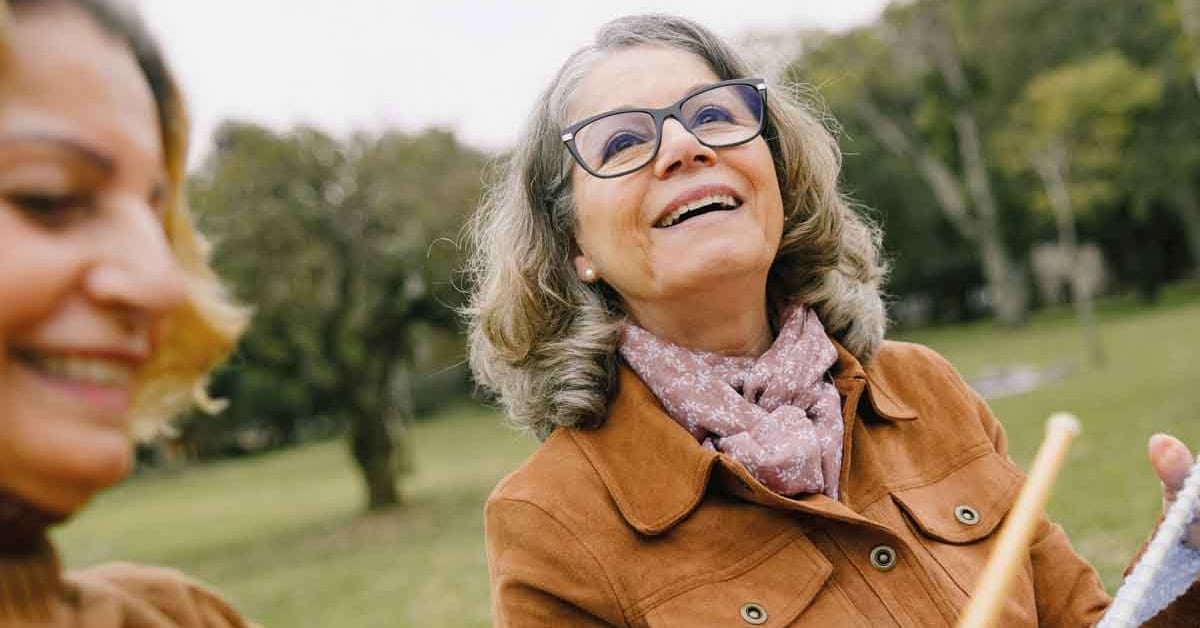
Aging is often viewed negatively, yet many are challenging this perspective. Rather than focusing on frailty, individuals are redefining this stage of life as one filled with joy, curiosity, and growth. The conversation around aging is shifting, emphasizing not just survival but flourishing in one’s later years.
Embracing a Positive Mindset
The way individuals age is influenced by a combination of genetics, environment, and lifestyle. Tracey, a woman in her 60s, emphasizes the importance of both physical and mental health. “What’s important to me is my physical and mental health, and that I give my body every opportunity to age gracefully,” she notes. Tracey cultivates happiness by savoring simple pleasures and pursuing interests like yoga and photography.
Curiosity also plays a significant role in enhancing the aging experience. By fostering an inquisitive mindset, individuals can continue to learn and grow. Whether it’s acquiring new skills or deepening existing knowledge, these pursuits can create new neural connections, essential for cognitive health. Tracey expresses her enthusiasm, stating, “I am exploring hobbies that I could not do when I was working full-time and joining clubs where I get to learn new things.”
Combating Loneliness and Building Connections
Challenges such as loneliness have emerged as significant health concerns for seniors, with approximately one in five Canadians aged 65 and older experiencing isolation. Joining community groups, classes, or fitness clubs can mitigate feelings of loneliness and offer opportunities to meet like-minded peers. Marita, a member of a canoe club, highlights the importance of staying active, saying, “I love canoeing, and though it’s more difficult to do in my 70s, I won’t give it up anytime soon.” Her husband, also in his 70s, maintains his health with regular swimming and walking, showcasing the importance of physical activity in later life.
These activities not only foster social connections but also contribute to overall well-being, offering a sense of purpose that can be vital for those at risk of loneliness. Engaging in group activities allows seniors to challenge societal expectations and embrace life with vigor.
Aging does not equate to invisibility or surrendering passions. Many seniors are actively pursuing interests that defy stereotypes. The narratives of Carl, Tracey, and Marita illustrate that it is possible to live fully and joyfully at any age.
Nourishing the Body for Healthy Aging
As individuals age, nutritional needs change. Opting for a balanced whole-food diet rich in vegetables, fruits, whole grains, legumes, and healthy fats can support the aging process. Certain supplements, such as Coenzyme Q10, collagen, and vitamin C, can also contribute to overall health, promoting energy production, skin appearance, and joint health.
Living joyfully and with curiosity allows seniors to redefine the aging process, transforming it into a time of exploration and celebration. As society shifts its views on aging, individuals can embrace this life stage with open arms, finding fulfillment in every moment. Through connection, curiosity, and a commitment to health, the narrative of aging is evolving from one of decline to one of possibility and joy.
