



































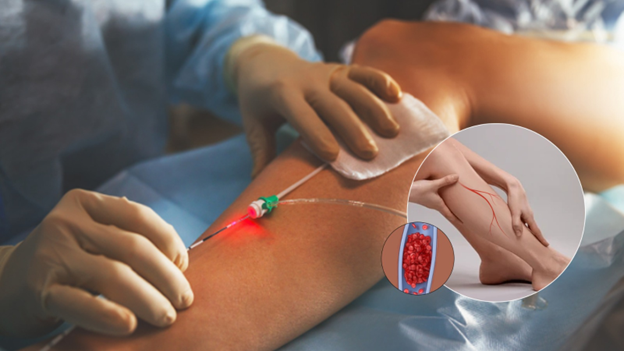
Varicose veins affect millions of individuals worldwide, causing discomfort and aesthetic concerns. Fortunately, modern treatments have evolved significantly, offering effective solutions that require less recovery time compared to traditional surgical methods. This article explores the process, duration, and expected results of varicose vein treatments, equipping patients with the information they need to make informed decisions.
Process and Duration of Treatment
The journey begins with a consultation, typically lasting between 30 and 60 minutes. During this session, specialists use ultrasound technology to assess the veins and determine the most suitable treatment approach. This initial assessment is crucial, as it helps set realistic expectations for the upcoming procedures.
Most contemporary varicose vein treatments are minimally invasive and performed in outpatient clinics using local anesthesia. Patients usually walk in and out on the same day. The duration of the actual procedure varies based on the number of veins targeted, generally ranging from 30 to 90 minutes.
Following the procedure, patients are advised to wear compression stockings for one to two weeks to aid recovery and minimize swelling. Light walking is encouraged immediately to promote circulation, while more strenuous activities should be avoided for a couple of weeks.
Types of Treatments and Expected Results
Today’s preferred treatments focus on closing off problematic veins instead of traditional vein stripping. Common options include endovenous laser ablation (EVLA), radiofrequency ablation (RFA), sclerotherapy, and the innovative VenaSeal method, which uses a vein glue.
EVLA and RFA employ heat to seal larger veins, with each session typically taking 45 to 60 minutes per leg. Many patients can return to work the following day, enjoying minimal downtime. Sclerotherapy, ideal for smaller veins or spider veins, involves injections and lasts between 15 and 45 minutes per session, often requiring follow-up visits. VenaSeal offers a quicker alternative, sometimes eliminating the need for compression stockings afterward.
Most minimally invasive techniques boast high success rates, often exceeding 95% for closing the targeted vein. Patients can expect some mild bruising or tenderness following treatment. However, these symptoms generally subside within a few days to weeks, allowing many individuals to resume their daily activities within 24 to 48 hours.
Visible improvements may take longer, with smaller veins fading in about 3 to 6 weeks and larger veins taking 2 to 6 months or more for complete absorption by the body. Full cosmetic results typically manifest between 3 and 12 months after treatment. Follow-up ultrasounds are conducted to confirm the closure of veins, with additional touch-up sessions available for any remaining issues.
Long-term success hinges on maintaining an active lifestyle, keeping a healthy weight, and adhering to recommended compression practices. Most patients experience considerable relief from symptoms like pain, swelling, and leg heaviness shortly after treatment. As blood flow improves through healthy veins, the overall quality of life often enhances.
For those seeking complementary methods alongside professional care, some turn to Natural Amoils, a plant-based product that may alleviate symptoms during recovery. However, it is essential to consult with a healthcare provider before using any natural remedies.
Treating varicose veins goes beyond aesthetic concerns; it is about restoring comfort and confidence in daily activities. With modern treatment options, the time and effort invested can yield substantial long-term benefits, such as lighter legs and diminished pain. Initiating the process with a specialist consultation can be the first step toward significant improvement. While the journey may take time, the results are often transformative, enabling individuals to reclaim their lives from the discomfort of varicose veins.
