



































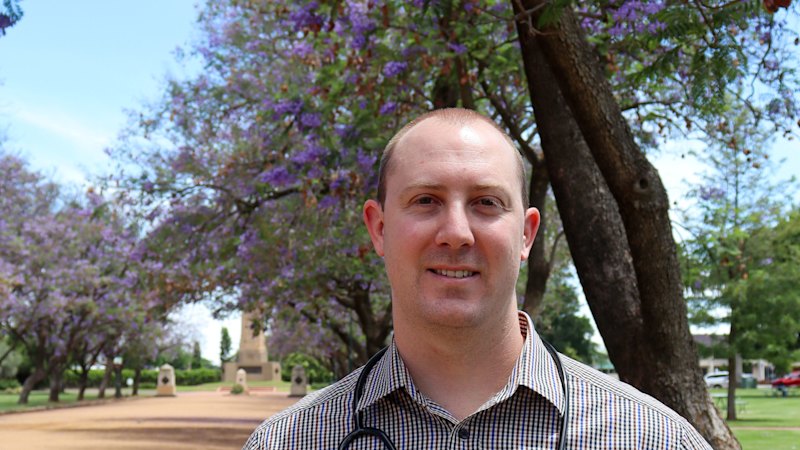
The University of Sydney is changing its approach to medical education by focusing on training future doctors in rural areas. This shift aims to address the significant gap in healthcare access between urban and rural communities. Recent graduates, including Liam Morrissey and Josie Cross, are part of this new initiative, which has seen its first full cohort complete a four-year Doctor of Medicine program entirely in Dubbo.
Liam Morrissey, who has firsthand experience with the challenges of rural healthcare, was inspired to pursue a medical career due to his family’s struggles. His sister’s significant disability highlighted the difficulties they faced, often driving hours to secure necessary medical appointments in larger cities like Brisbane and Sydney. Although Morrissey initially faced setbacks in gaining direct entry into medical school, he persevered through a background in exercise physiology and occupational health before eventually enrolling in the University of Sydney’s program.
In 2001, the university established its regional medical school in Dubbo, originally offering one-year placements for postgraduate students. By 2022, the university expanded its offerings, allowing students to complete their entire medical degree in Dubbo. This change aims to cultivate a strong rural healthcare workforce.
Filling the Rural Healthcare Gap
According to federal government data, there are only 73 full-time equivalent general practitioners (GPs) for every 100,000 people in very remote areas, compared to 114.6 per 100,000 in metropolitan regions. The National Rural Health Alliance reported that, by 2025, the annual expenditure gap between urban and rural Australians will reach $1,090.47 per person, with the divide increasing each year.
Associate Professor Paul Lunney, head of the Clinical School for the School of Rural Health in Dubbo and Orange, emphasizes the importance of this initiative. He noted that the current graduating class overwhelmingly comes from rural backgrounds, fostering a strong desire to return and serve their communities. “We are part of the education pipeline to build the rural health workforce,” Lunney said. He highlighted that the likelihood of these graduates working in rural health settings is much higher than for those who study in metropolitan areas.
Graduates like Morrissey are poised to make an impact in regional healthcare. In 2026, he will begin an internship at Dubbo Base Hospital, joining more than half of his cohort who plan to work in regional health. Josie Cross, another graduate from the program, shares a similar commitment to serving under-resourced communities. Hailing from Grafton, she encourages prospective students to apply for the Dubbo Stream. “You build your own family while you’re there,” she said. “The community is very welcoming, and you get to experience so many different things. It is definitely worth it.”
Admissions and Future Prospects
The University of Sydney’s Doctor of Medicine program allows applicants to choose between the Camperdown or Dubbo streams, with admissions based on the Graduate Medical School Admissions Test (GAMSAT), undergraduate GPA, personal statements, and interviews. The university prioritizes recruitment for Indigenous and regional applicants, further promoting diversity in the medical field.
The focus on rural medical education represents a significant shift in addressing healthcare disparities. By training doctors in the communities they will ultimately serve, the University of Sydney is taking important steps to ensure that rural Australians have access to quality healthcare. As initiatives like this expand, they may very well help alleviate the healthcare challenges faced by those in remote regions.
