



































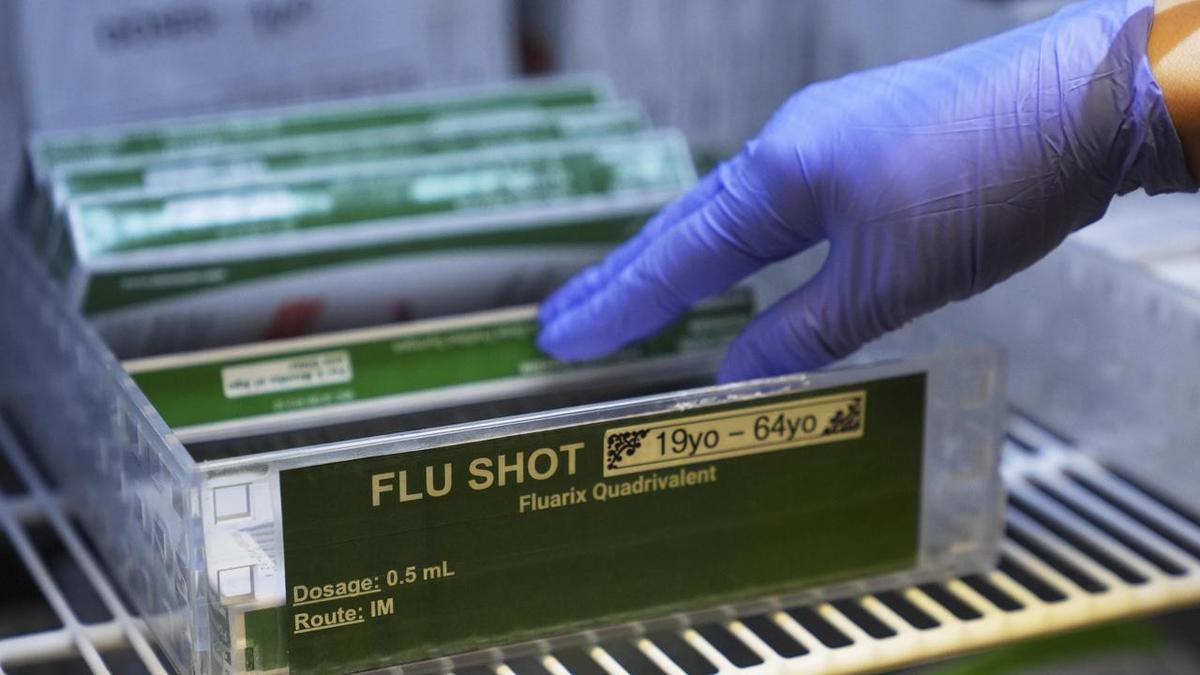
The United States has officially rescinded its recommendation that all children receive vaccines against influenza and three other diseases. This significant policy shift, announced on Monday, represents a key objective of Health Secretary Robert F. Kennedy Jr.. Health experts express concern that this rollback could lead to increased hospitalisations and fatalities from preventable diseases.
The decision was made by Jim O’Neill, Acting Director of the Centers for Disease Control and Prevention (CDC), without the typical review by external experts. This move aligns with Kennedy’s ongoing efforts to reduce the number of vaccinations recommended for children, a campaign that has garnered attention and controversy in recent months.
The CDC’s updated guidance removes recommendations for vaccines against rotavirus, influenza, meningococcal disease, and hepatitis A. Instead, parents are encouraged to engage in “shared clinical decision-making” with healthcare providers regarding vaccinations. This approach has raised alarms among public health advocates, who fear it may undermine childhood immunity.
Prominent public health figures voiced their concerns regarding the implications of this decision. Michael Osterholm, director of the University of Minnesota’s Center for Infectious Disease Research and Policy, criticized the lack of public discussion about the risks associated with dropping these recommendations. He argued that a thorough evaluation of both the risks and benefits is essential for informed decision-making.
Similarly, Sean O’Leary, chair of the American Academy of Pediatrics, emphasized that the U.S. vaccination landscape differs markedly from other developed nations. He noted that many countries operate under universal healthcare systems that provide different levels of access to vaccinations and manage disease risks distinct from those in the United States. “Any decision about the U.S. childhood vaccination schedule should be grounded in evidence, transparency, and established scientific processes,” O’Leary remarked.
The policy change has received backing from some political circles. Karoline Leavitt, a spokesperson for the White House, described the decision as one that empowers parents and healthcare providers to make tailored choices for their children. She stated that the move aims to restore confidence in the public health system while promoting individualized healthcare decisions.
This shift in vaccination policy comes in the wake of advocacy from political figures, including former President Donald Trump, who in December called for the U.S. to align its vaccination practices with those of other developed nations. Critics argue that such comparisons oversimplify the complexities of different healthcare systems and the unique health challenges faced by American children.
As the debate continues, public health experts urge a careful reconsideration of the consequences associated with this policy reversal. The potential impacts on community health and child safety remain a pressing concern as the U.S. navigates these changes in its public health strategy.
