



































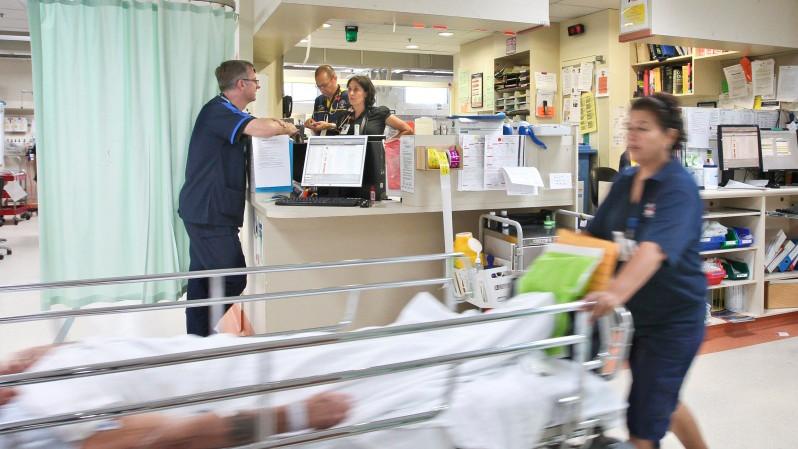
Public hospitals in Western Australia (WA) are facing a significant crisis as doctors leave the workforce at an alarming rate. According to the latest report from the Productivity Commission, the attrition rate for WA doctors reached a six-year high in 2024, with more than a quarter, or 26.4 percent, departing from public hospital roles. This figure is notably higher than the national average of 24.2 percent, highlighting a growing concern for the state’s health system.
The report sheds light on the deteriorating conditions within the healthcare sector, particularly as emergency department (ED) wait times continue to escalate. Patients in WA are experiencing prolonged delays, with fewer than half of those waiting in public emergency departments being seen in a timely manner during the 2024-2025 period. Of those triaged as urgent, a mere 29 percent were attended to within the acceptable 30-minute timeframe, significantly below the national average of 61 percent.
Challenges Facing Healthcare Professionals and Patients
The exodus of doctors has been attributed to poor working conditions and a challenging culture within the public health system, as highlighted by Kyle Hoath, President of the Australian Medical Association WA. He noted that junior doctors are particularly dissatisfied, stating, “Conditions are a big thing; people are just fed up.” This situation underscores a troubling trend where the next generation of healthcare professionals is opting for alternative career paths rather than remaining in a strained public system.
Nursing attrition rates in WA have shown a slight improvement, decreasing from 30.5 percent in 2023 to 24.8 percent in 2024, aligning closely with the national average of 24.5 percent. Nevertheless, the overall outlook for emergency services remains bleak, with one in three emergency cases, categorized as “imminently life-threatening,” not receiving timely care.
In addition to staffing shortages, financial barriers are exacerbating the situation for patients seeking primary and mental health care. The report indicates that approximately 7 percent of West Australians delayed or avoided visiting their general practitioner (GP) due to cost concerns in 2024-2025. This figure rises to 23.4 percent for those attempting to access psychological services, while 18.7 percent of individuals delayed seeing a psychiatrist for similar reasons.
Systemic Issues and Calls for Reform
Dr. Hoath attributes much of the financial strain on patients to the practices of private health insurers and inadequate Medicare rebates. He explained, “Insurers put the squeeze on us, and the cost of doing business goes up, so we pay more and then have to charge higher fees.” He emphasized that Medicare has not kept pace with inflation or cost-of-living increases, leading to a situation where healthcare providers are compelled to charge higher fees to cover their expenses.
The call for meaningful reform of the Medicare system is urgent, according to Dr. Hoath. He expressed concern that political decisions often prioritize short-term electoral gains over what is beneficial for the public. “Decisions are made around what is best politically, vote-wise, rather than what is best for society,” he stated. Dr. Hoath urged for a bipartisan approach to healthcare reform, encouraging leaders to demonstrate commitment to improving the system for the benefit of all Australians.
The current situation in WA’s public health system poses significant challenges not only for healthcare providers but also for the patients who rely on these essential services. As emergency wait times continue to rise and the workforce dwindles, immediate attention is required to address these critical issues and ensure the sustainability of healthcare in the state.
