



































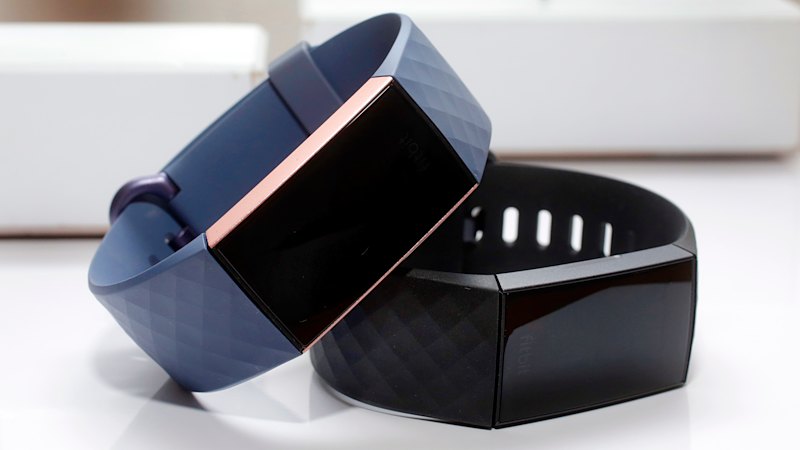
The global wearable technology market, valued at $86.6 billion in 2024, is on a trajectory to reach $302.3 billion by 2034. As professionals increasingly rely on health data to enhance performance, advances in artificial intelligence are allowing wearables to provide more personalized health insights. However, experts caution that while wearables can offer valuable data, they are not yet capable of predicting health outcomes with high precision.
Current consumer wearables can provide users with actionable health insights, although the level of personalization varies. According to Rob ter Horst, a bioinformatician from Austria, devices like Whoop and Oura have offered him useful recommendations that sometimes surpass those from traditional medical consultations. Ter Horst notes, “Without the device knowing I had a late meal, either Whoop or Oura suggested that my heart rate patterns might indicate this late meal influenced my sleep patterns.”
This highlights the potential of wearables to deliver insights based on user data, even if they are not perfect. The next step for wearable technology, as outlined by David Lipman, a doctor based in the UK, may involve grouping users into cohorts. This method could allow AI systems to offer more tailored advice, based on shared characteristics among users, thereby enhancing the relevance of recommendations.
Current Capabilities and Limitations of Wearables
Modern wearables can track an extensive range of health metrics, including stress, sleep, breathing rate, and cardiovascular strain. However, most devices primarily measure movement and pulse, relying on algorithms to estimate other physiological data. This dependence on estimates can lead to inaccuracies.
For instance, wearables struggle to determine sleep stages accurately. While they can reliably identify whether a user is asleep or awake, they often misjudge the quality of sleep stages. A study published in October 2024 evaluated the accuracy of popular devices such as the third-generation Oura Ring, Fitbit Sense 2, and Apple Watch Series 8. It found that while these devices correctly detected sleep status 95 percent of the time, they accurately captured specific sleep stages only between 50 percent and 87.8 percent of the time.
The Journal of Clinical Sleep Medicine highlighted another concern: tracking sleep may induce anxiety rather than promote healthy habits. Researchers found that negative feedback from sleep trackers could lead to poorer daytime functioning, reinforcing the need for cautious use of wearables.
The Future of Personalized Health Insights
Despite the current limitations, studies suggest that tracking health metrics can lead to positive changes. A study from Deakin University indicated that consistent wearers of fitness trackers experienced improved sleep and heart rate outcomes. Nevertheless, the observed improvements could be influenced by other healthy behaviors rather than the wearables themselves.
Experts suggest that users should approach wearable data with a critical mindset. Ter Horst advises treating data as a guide rather than absolute truth. For example, if a wearable indicates a high resting heart rate, users should consider their overall well-being before making decisions regarding exercise intensity.
As wearables evolve, the integration of features allowing users to upload blood test results could further enhance the personalization of health advice, although this requires careful consideration alongside professional medical counsel.
The best wearable for an individual largely depends on their specific health goals. Ter Horst recommends various brands based on user needs. For sleep tracking, he suggests devices like Google’s Fitbit, Apple Watch, and Oura, noting that while Garmin offers decent performance, it may not excel in sleep stage tracking.
For overall health tracking, Whoop and Oura are strong contenders, known for their user-friendly interfaces and helpful analytics. Conversely, for sports enthusiasts, brands like Garmin, Suunto, and Polar offer superior battery life and GPS technology, albeit with limitations in sleep tracking capabilities.
Ultimately, while wearable technology is making strides in health monitoring, users should remain aware of its current limitations and consider their personal health objectives when selecting a device.
