



































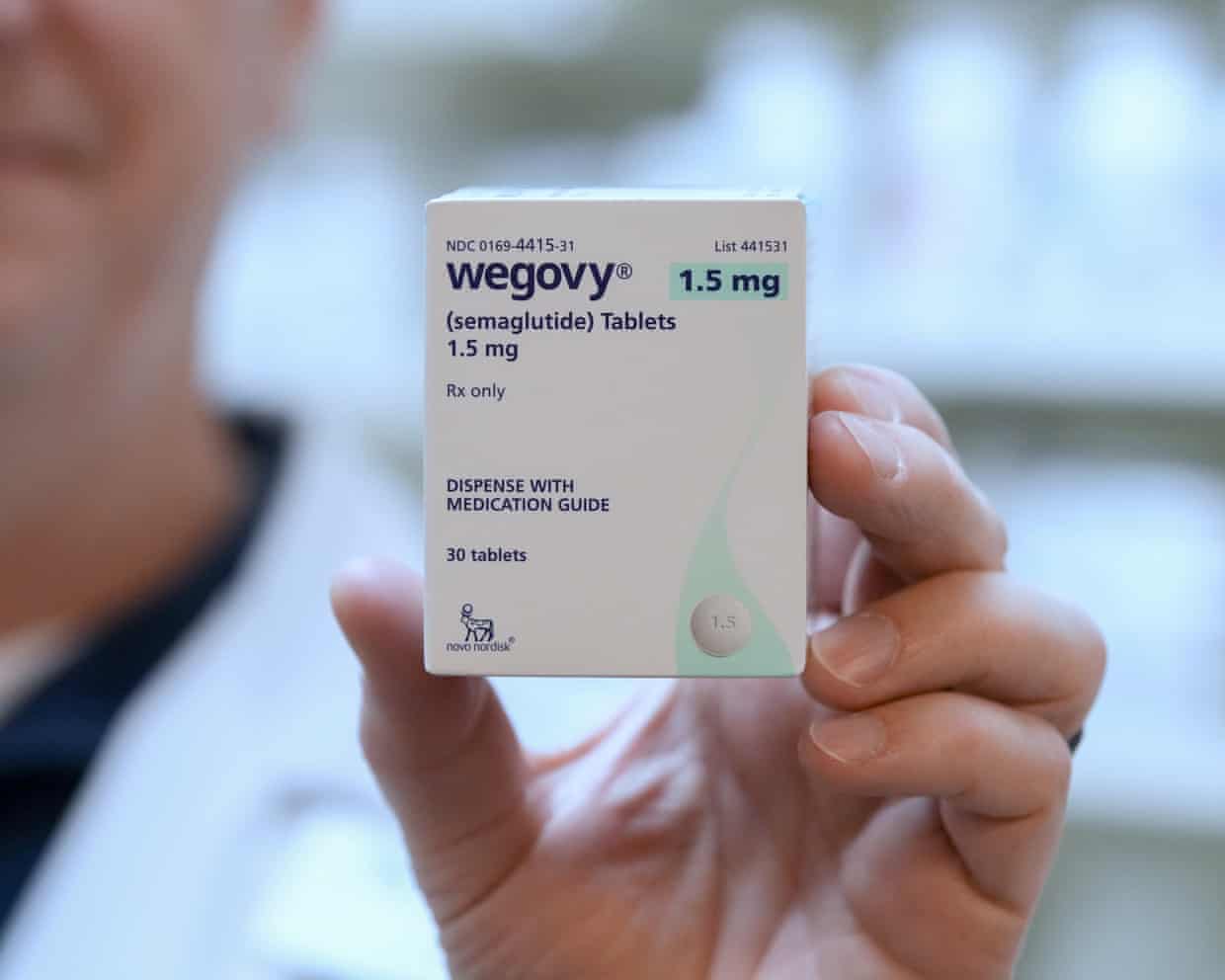
Pharmaceutical companies are experiencing a significant shift in the weight-loss market as the introduction of daily oral medications promises to broaden access to obesity treatment. Melody Ewert, a 44-year-old from Minnesota, recently transitioned from Eli Lilly’s weekly injection, Zepbound, to Novo Nordisk’s newly launched daily pill, Wegovy. This change reflects a growing trend that analysts believe could push weight-loss treatments further into the mainstream, particularly in a year deemed pivotal for the anti-obesity market.
In December, the U.S. Food and Drug Administration (FDA) approved Wegovy as the first oral GLP-1 medication for weight loss. Following its launch, prescriptions quickly surged to 50,000 per week by late January, outpacing initial prescriptions for the Wegovy injection, which debuted in June 2021. Analysts from Leerink Partners labeled it “the fastest drug launch ever.” The rapid uptake of these medications reflects a burgeoning demand in a sector projected to reach $200 billion by the end of the decade.
While Ewert initially lost weight without medication, she regained most of it before starting Zepbound in late July, which helped her shed 22.7 kilograms (50 pounds). The switch to Wegovy was prompted by a change in her health insurance, which would have increased her monthly cost for Zepbound from $25 to $449. Ewert noted improvements in her appetite control and dietary habits since starting the Wegovy pill, highlighting that it provides consistent appetite regulation without the fluctuations she experienced with the injection.
The demand for these medications is evident, as individuals like Patrick, a 33-year-old parts manager from New Jersey, have also made the switch. After using the Wegovy injection previously and experiencing significant weight loss, he opted to embrace the convenience of the daily pill. Having already lost 6.8 kilograms within a month, he hopes to achieve similar success as in the past while managing costs.
Market Dynamics and Consumer Preferences
The introduction of pills is likely to appeal to those who prefer to avoid needles, as they are generally less expensive and do not require refrigeration. In the UK, the Wegovy pill is currently under evaluation by medical regulators, with expectations to enter the market later this year. However, concerns about counterfeit products being easier to manufacture than injections linger.
According to recent research from University College London, there were approximately 1.6 million users of weight-loss medications in England, Scotland, and Wales between early 2024 and early 2025. The demographic trends suggest a predominance of women and individuals aged 45 to 55, with many users paying out of pocket due to limited NHS coverage. The study indicates that nearly two-thirds of adults in England were classified as overweight or obese in 2022, and an additional 3.3 million individuals are interested in weight-loss drugs.
Amid these trends, high street retailer Boots has launched a pilot program in select cities to assess customers for eligibility for weight-loss injections, further illustrating the expanding market for obesity treatments.
Pharmaceutical Competition and Future Prospects
The landscape of the weight-loss pharmaceutical market is rapidly evolving, with Novo Nordisk’s Wegovy pill poised to compete against Eli Lilly’s upcoming weight-loss pill, orforglipron, expected to launch as early as April. Analysts predict that the introduction of these new medications could significantly increase the potential user base for obesity treatments, especially with the U.S. Medicare program set to begin covering GLP-1 medications from April.
Despite the promising outlook, challenges remain. Analysts at UBS forecast that peak annual sales for the Wegovy pill could reach $3.25 billion, significantly lower than the projected $16 billion for the injection. This discrepancy is attributed to a higher dropout rate among pill users, many of whom experience side effects such as nausea and vomiting.
The ongoing development of additional weight-loss pills by various companies, including AstraZeneca’s mid-stage clinical trials for an obesity and diabetes pill, underscores the competitive nature of this market. As demand for effective weight-loss solutions continues to grow, experts emphasize the importance of addressing both accessibility and affordability to reach a wider population.
Dr. Jennifer Hwang from the University of Chicago Medicine highlights the potential for pills to be more cost-effective for government health programs, particularly as the weight-loss drug market expands. She notes the need for ongoing research to understand the long-term implications of GLP-1 treatments, especially concerning side effects and overall effectiveness.
As this sector continues to evolve, a critical focus will remain on how these medications can be integrated into broader public health strategies to combat obesity and improve health outcomes for millions worldwide.
