



































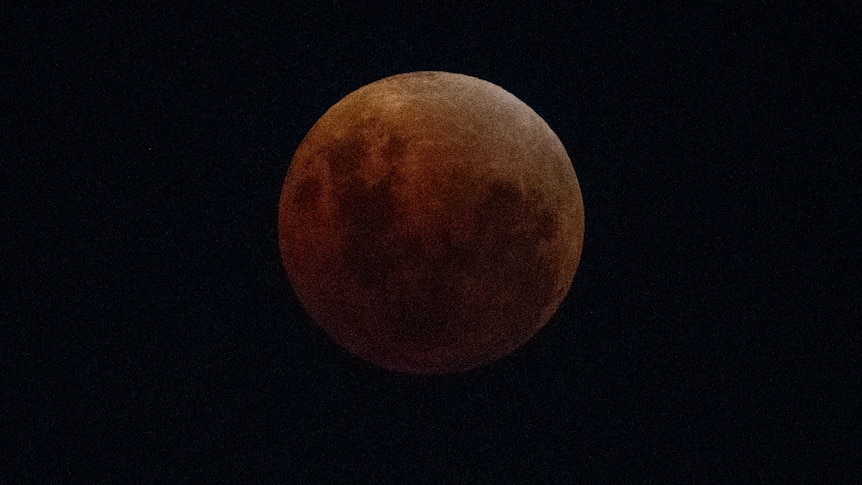
On the night of March 14, 2024, Australians were treated to a spectacular sight as the Moon transformed into a striking reddish-orange hue during a total lunar eclipse. This event marked the last blood moon until 2029, drawing the attention of stargazers across the country.
The phenomenon, often referred to as a “blood moon,” occurs when the Earth aligns perfectly between the Sun and the Moon. This alignment causes the Earth’s shadow to cast over the Moon, resulting in a striking coloration caused by sunlight refracted through the Earth’s atmosphere. As the eclipse reached its peak, many observers reported the breathtaking sight, capturing images and sharing their experiences on social media.
Stargazers Share Their Experiences
In major cities like Sydney and Melbourne, crowds gathered in parks and open spaces, eagerly watching the celestial event unfold. Local astronomy groups organized viewing parties, providing telescopes and expert commentary to enhance the experience.
Emily Harrison, a member of the Sydney Astronomical Society, noted, “It’s incredible to see so many people come together for an event like this. The blood moon is a reminder of the beauty of our universe.” Observers were quick to share their awe on platforms such as Twitter and Instagram, with many expressing the emotional impact of witnessing such a rare occurrence.
According to experts, this total lunar eclipse was particularly significant due to its rarity. After this event, the next total lunar eclipse will not occur until 2029, making it a memorable occasion for both amateur and experienced astronomers alike.
Scientific Significance of Lunar Eclipses
Lunar eclipses serve as a powerful reminder of the intricate dance of celestial bodies in our solar system. They not only captivate the public’s imagination but also offer valuable opportunities for scientific study. During a total lunar eclipse, scientists can gather data about the Earth’s atmosphere and its effects on sunlight, contributing to our understanding of various atmospheric phenomena.
As the blood moon faded away, so did the excitement of this unique astronomical event. Many participants expressed their hope for similar gatherings in the future, eager to continue exploring the wonders of the night sky.
With the next total lunar eclipse years away, the March 14 spectacle has left an indelible mark on those who witnessed it. The event not only fostered a sense of community among stargazers but also reignited interest in astronomy across Australia.
