



































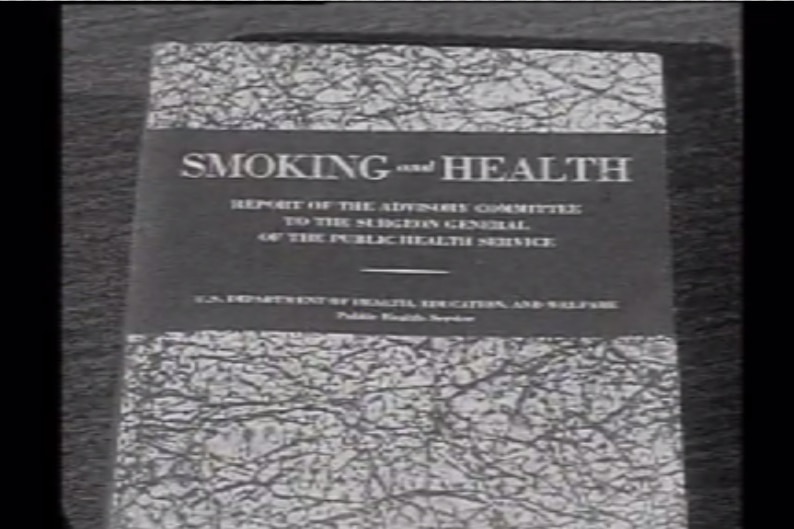
In 1964, a landmark scientific report revealed the severe health risks associated with smoking, significantly influencing public perception and government policy. The findings exposed a direct link between smoking and various types of cancer, prompting widespread reactions across Australia. This report challenged the tobacco industry’s previously unassailable position in society and raised urgent public health concerns.
The report, published by the United States Surgeon General, detailed extensive research demonstrating the dangers of smoking, including its contribution to lung cancer and heart disease. At that time, the tobacco industry held significant sway over both public opinion and political decisions, often downplaying the health risks associated with their products.
Public Outcry and Government Response
Australians reacted with a mix of disbelief, anger, and a growing sense of urgency. Many individuals expressed their frustration over the tobacco industry’s efforts to obscure the truth about smoking. Some public health advocates called for immediate government action to regulate tobacco advertising and promote anti-smoking campaigns.
Organizations such as Cancer Council Australia began to mobilize, urging the government to take a firmer stance against smoking. The public’s response was evident in the increasing calls for education on the dangers of tobacco use and the need for comprehensive smoking cessation programs.
Despite the mounting evidence and public outcry, the government’s response was initially slow. Many officials were reluctant to confront the powerful tobacco lobby, which had deep financial ties to various sectors, including agriculture and advertising. This hesitancy allowed smoking rates to remain high in Australia throughout the late 1960s and early 1970s.
Shifts in Public Attitudes
As awareness grew, public attitudes towards smoking began to shift. By the late 1960s, more Australians started to recognize the health risks associated with smoking. Anti-smoking campaigns gained traction, utilizing graphic imagery and stark statistics to illustrate the dangers of tobacco use.
Despite initial resistance from the tobacco industry, which continued to assert the safety of their products, the momentum for change became undeniable. Smoking-related deaths and illnesses increasingly dominated public discourse, leading to a decline in smoking rates. This change was particularly pronounced among younger generations, who began to view smoking as socially unacceptable.
According to data from the Australian Bureau of Statistics, the proportion of adult smokers decreased from 51% in 1945 to 39% by 1974. This significant decline reflected broader public health efforts and changing societal norms regarding tobacco use.
In retrospect, the 1964 report served as a pivotal moment in Australia’s public health history. It catalyzed a movement that ultimately transformed the landscape of tobacco use, leading to stricter regulations and a decline in smoking prevalence. The ongoing efforts to combat smoking-related diseases continue to resonate, as health authorities work to reduce the burden of tobacco on the nation.
Today, smoking remains a critical public health issue, with ongoing campaigns focused on education and prevention. The legacy of the 1964 report underscores the importance of scientific research in shaping health policies and public perceptions, highlighting the need for vigilance in the face of powerful interests.
