



































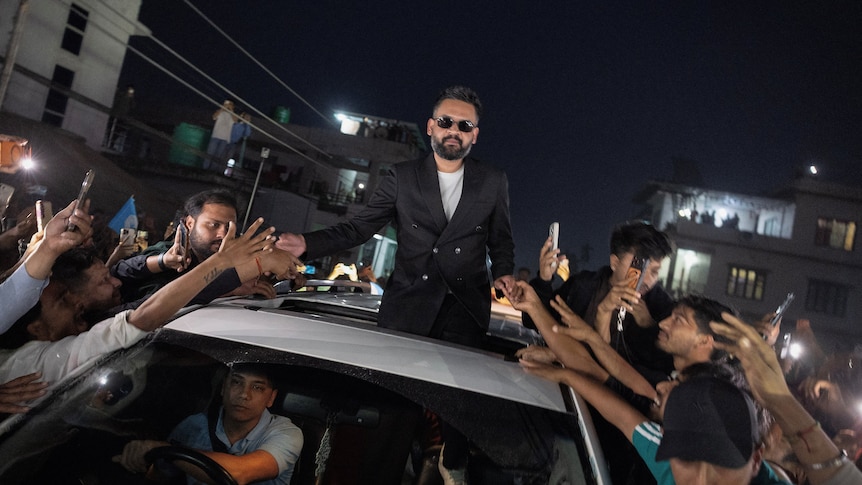
The Rastriya Swatantra Party (RSP), led by former rapper Balen Shah, achieved a remarkable victory in Nepal’s parliamentary elections held on November 20, 2023. The party secured a substantial share of the seats, decisively defeating traditional political parties that have long dominated the country’s political landscape.
This electoral success marks a significant shift in Nepal’s political dynamics. The RSP’s rise reflects a growing discontent among voters with established political figures, many of whom have been criticized for corruption and ineffective governance. Shah’s appeal as a fresh voice resonated with a populace eager for change, particularly among younger voters.
Election Results and Implications
Preliminary results indicate that the RSP has won over 40 percent of the parliamentary seats. This impressive performance allows the party to play a crucial role in shaping the future of Nepalese politics. The party’s platform, which emphasizes transparency, accountability, and youth empowerment, has struck a chord with many citizens.
Shah, who transitioned from a successful music career to politics, has been vocal about his commitment to reform. His ability to connect with the electorate through social media and grassroots campaigning contributed significantly to the RSP’s electoral success.
The victory poses a challenge to established parties, such as the Nepali Congress and the Communist Party of Nepal, which have struggled to maintain their influence amid widespread public dissatisfaction. Analysts suggest that the RSP’s success could lead to a reevaluation of political strategies among the traditional parties as they adapt to the changing political landscape.
Public Response and Future Directions
The response from supporters has been overwhelmingly positive. Many view Shah as a symbol of hope and a catalyst for necessary reforms. The RSP’s focus on issues such as job creation, education, and healthcare resonates deeply in a country where many citizens feel left behind by the political elite.
As the RSP prepares to form a government, the expectation is high for immediate action on key issues. Citizens are looking for tangible results that reflect the party’s promises during the campaign. The new government will need to address pressing challenges, including economic growth and infrastructure development, to maintain public support.
Shah’s leadership style, characterized by openness and accessibility, will be under close scrutiny. His ability to navigate the complexities of governance while fulfilling campaign promises will be vital as the RSP moves forward.
The outcome of this election not only reshapes Nepal’s political landscape but also serves as a reminder of the power of new voices in democracy. As Balen Shah and his party step into leadership roles, the eyes of the nation—and indeed the world—will be on them to see how they translate their electoral success into effective governance.
