



































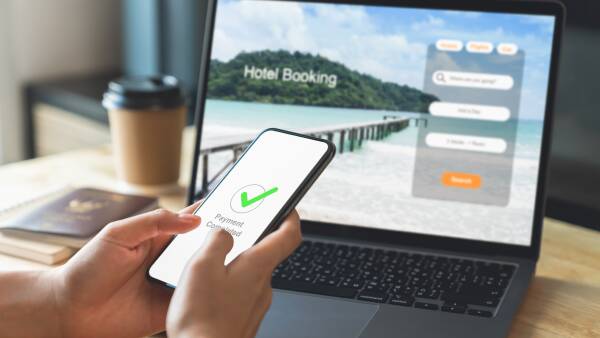
The rise of online booking scams poses a significant threat to holidaymakers, prompting experts to highlight essential precautions. According to the consumer association CHOICE, criminals are increasingly creating fake accounts on popular platforms like Airbnb and Booking.com, or hacking into legitimate profiles to exploit unsuspecting travellers.
As individuals increasingly turn to online platforms for travel arrangements, the risk of fraud has escalated. Aaron Bugal, the field chief information security officer for Sophos in Australia, Pacific, and Japan, notes that online activities are vulnerable to exploitation. He emphasizes that users must take proactive steps to protect themselves from potential scams.
Identifying Common Scams
Scammers often seek the easiest targets, with one prevalent tactic involving unauthorized access to email communications through booking platforms. In this scenario, victims believe they are communicating with a hotel when, in fact, a scammer has taken control of the hotel’s account. Alternatively, fraudsters may create accounts that closely mimic legitimate hotel profiles to solicit payments directly.
Bugal warns that if a booking platform requests a shift to another messaging service, such as WhatsApp or Facebook Messenger, it should raise immediate suspicions.
Dr. Rahat Masood, a senior lecturer at the University of NSW, outlines several warning signs to look out for when booking travel. It is crucial to read the terms and conditions, especially the cancellation and refund policies, which may be vague in fraudulent schemes. If a site requires full payment upfront or instructs payment via an alternative website, these should be red flags.
Other indicators of potential scams include requests for payment through untraceable methods, such as bank transfers or cryptocurrency. A heightened sense of urgency—like persistent messages insisting that you must act quickly—also signals that something may be amiss. Additionally, always ensure the browser address begins with “https,” as the “s” indicates a secure connection. If a deal appears significantly cheaper than similar offerings, it may be too good to be true.
Advice from Industry Leaders
A spokesperson for Booking.com acknowledges that phishing attacks are a serious concern across multiple industries. The company continues to invest in measures to protect both accommodation partners and customers who may unknowingly fall victim to these scams. They emphasize that legitimate transactions will never require sensitive information, like credit card details, to be shared through email or messaging services.
Maintaining a skeptical mindset is essential. If you have any doubts about a booking, contacting the platform’s customer service team can provide clarity and reassurance.
Online scams do not only affect accommodation services; airlines are also targets. Earlier in 2025, Emirates temporarily halted its advertising on social media due to fraudulent advertisements proliferating on these platforms.
As travel continues to regain momentum, awareness of these scams is vital for a safe and enjoyable experience. By staying informed and vigilant, travellers can significantly reduce their risk of falling victim to booking fraud.
