



































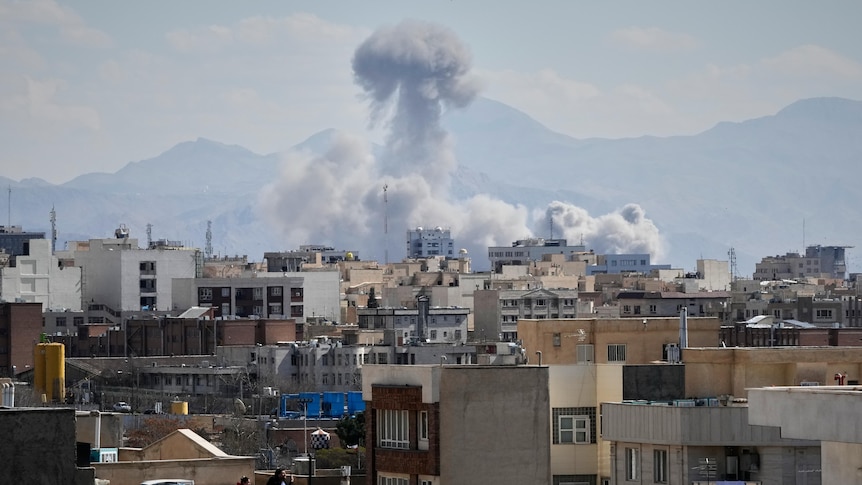
Explosions in central Tehran on October 7, 2023, targeted a gathering related to the country’s leadership, igniting widespread outrage across Iran and its neighboring countries. The clerical regime swiftly condemned the attack, with officials pledging to avenge the incident that aimed at undermining the authority of Supreme Leader Ayatollah Ali Khamenei.
In the aftermath, demonstrations erupted in both Iraq and Pakistan, where large crowds attempted to storm American diplomatic missions. The unrest reflects not only anger towards the perceived foreign influence in the region but also a broader discontent with local governance. Eyewitnesses reported scenes of chaos as protesters clashed with security forces, leading to multiple injuries.
Regional Impact of the Attacks
The attack in Tehran has heightened tensions in the region, drawing attention from international observers and prompting strong reactions from various governments. The Iranian government has intensified its rhetoric against the United States, claiming that foreign powers are attempting to destabilize the nation. Official statements emphasize an urgent need for unity and resilience against perceived threats.
In Iraq, the demonstrations were particularly intense in areas with significant Iranian influence. Protesters expressed their anger not only towards the U.S. presence but also towards their own government, which they believe has failed to protect national sovereignty. Reports indicate that security forces responded with tear gas and rubber bullets, leading to a tense standoff.
Meanwhile, in Pakistan, similar sentiments were echoed as demonstrators gathered outside the American embassy in Islamabad. Local authorities reported that protesters sought to breach the embassy’s perimeter, resulting in a heightened security presence. The Pakistani government has urged restraint, emphasizing the importance of diplomatic channels in addressing grievances.
Official Responses and Future Implications
The Iranian leadership’s commitment to seeking retribution for the attacks could escalate tensions further, influencing regional dynamics. Analysts warn that a retaliatory strike, either directly or through proxy groups in the Middle East, could have significant ramifications for U.S. interests in the area.
International responses have varied, with some countries expressing concern over the potential for increased violence. The United Nations has called for calm, urging all parties to engage in dialogue rather than resorting to further aggression.
As the situation evolves, the international community watches closely. The impact of these events may redefine alliances and influence geopolitical strategies in the Middle East. The long-term implications for Iranian domestic policy and its foreign relations remain uncertain, but the echoes of outrage from Tehran are likely to resonate across borders for some time to come.
