



































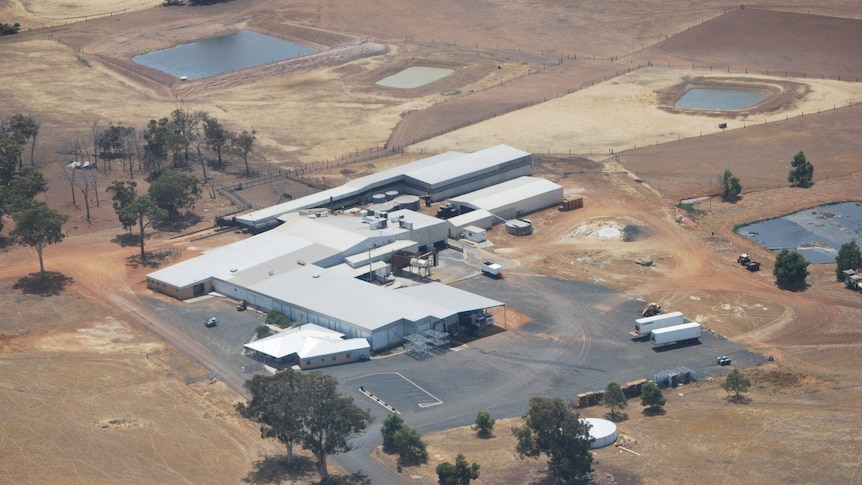
Beaufort River Meats, located in the Great Southern region of Australia, has temporarily suspended its operations on the same day that transition funding for live sheep exports was announced. This funding, aimed at supporting farmers and processors in adapting to changes in the live export industry, has been allocated to forty farming families and five processors out of more than 260 applicants.
The decision to pause operations comes amid ongoing livestock shortages that have severely impacted the local meat processing industry. Beaufort River Meats has been a significant player in the sector, and its closure raises concerns about the stability of the supply chain in the region.
Transition Funding Details
The Australian government has rolled out a total of $10 million in transition funding to assist those affected by the recent changes in live sheep export regulations. This initiative is part of a broader strategy to ensure that farmers and processors can adapt to the evolving landscape of the livestock export market.
The funding aims to facilitate the transition for those who have been reliant on the live export trade. As the industry shifts towards different methods of operation, this financial support is crucial for maintaining the livelihoods of farmers and processors during this challenging period.
October 2023 marks a significant moment for the industry as stakeholders seek to navigate the regulatory changes. The allocation of funds is seen as a vital step in stabilizing the market and ensuring that local producers can continue their operations without severe disruptions.
Impact on Local Communities
The suspension of operations at Beaufort River Meats has significant implications for the local economy. With the abattoir being a major employer in the area, its closure could lead to job losses and a ripple effect on related businesses. Local farmers, who depend on the abattoir for processing their livestock, may face increased challenges in finding alternative solutions.
This situation underscores the importance of the transition funding, as it is designed not only to support individual businesses but also to bolster the wider agricultural community. The involvement of forty farming families in receiving this funding highlights the interconnectedness of the industry and the need for collective resilience during times of change.
As the situation develops, stakeholders hope that the funding will provide the necessary support to navigate the current challenges and stabilize the local meat processing sector. The future of Beaufort River Meats and its role in the Great Southern region will depend on the effectiveness of these transition measures and the ability of the industry to adapt to new realities.
