



































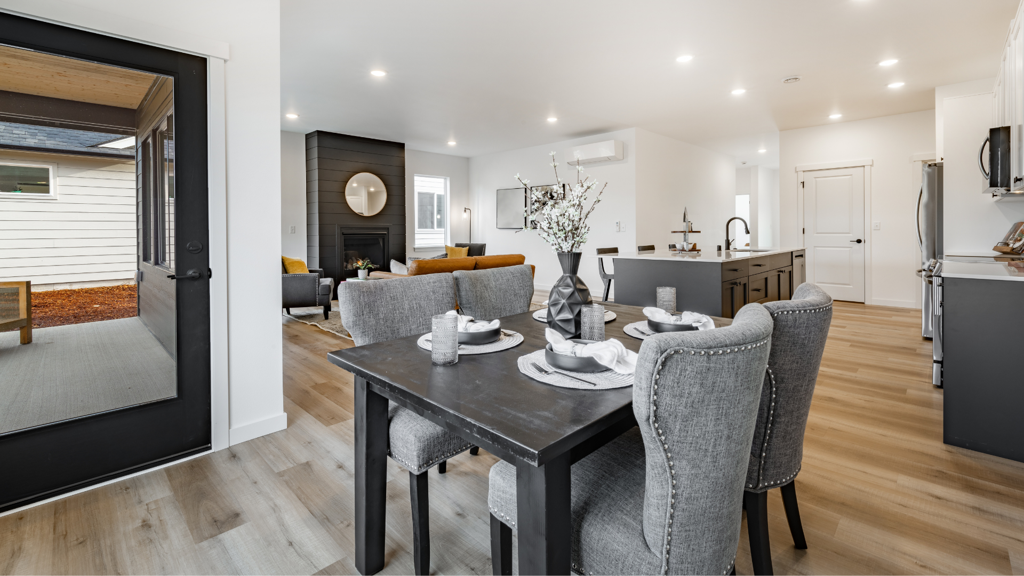
Selling a home is a significant financial transaction for many individuals, often representing years of investment and effort. To enhance the potential for profit, homeowners are increasingly turning to staging, a strategy that involves temporarily furnishing and arranging a property to make it more appealing to prospective buyers. This method not only quickens the sale process but also has been shown to increase sale prices. Understanding the psychology behind staging can help sellers effectively showcase their homes and maximize returns.
Understanding Staging Psychology
The primary objective of staging is to craft a narrative that allows potential buyers to envision their lives within the home. Instead of merely presenting a clean and organized space, staging should evoke feelings of comfort and luxury. By helping buyers imagine their ideal lifestyle in the property, sellers can significantly improve their chances of closing a sale.
One fundamental concept in staging psychology is the **primacy effect**, which underscores the importance of first impressions. Research indicates that initial perceptions greatly influence overall opinions. Therefore, enhancing the **curb appeal** and creating a welcoming entryway are crucial steps in ensuring a positive start to the viewing experience. Each room should also provide a favorable first impression; thus, decluttering is essential. A clean, well-organized space allows buyers to visualize themselves living there, rather than feeling overwhelmed by the prospect of managing existing clutter.
Leveraging Psychological Principles
Another vital concept is **anchoring**, which involves presenting the home as valuable from the outset. By incorporating high-quality, stylish furnishings and modern technology, sellers can influence buyers’ perceptions, leading them to view the property as high-value. This perception is often reflected in sale prices; staged homes typically command higher prices compared to their unstaged counterparts.
The **halo effect** plays a significant role in this process. This cognitive bias suggests that if buyers perceive a home as luxurious, they may overlook minor flaws. While it is crucial to be transparent about the property’s condition, effective staging can highlight the home’s strengths, encouraging buyers to focus on positive attributes rather than potential shortcomings.
Creating an **emotional investment** is integral to successful staging. Engaging the senses helps potential buyers form a personal connection with the home. To facilitate this, sellers can employ the **Rule of Three**, which involves arranging items in groups of three. This technique enhances visual appeal and creates a more inviting atmosphere. Odd-numbered groupings are perceived as more natural and can lead to increased buyer engagement.
Lastly, **depersonalizing** the space is essential. While it is important to maintain some personal touches—such as tasteful family photos—overly personal decor can hinder a buyer’s ability to envision themselves in the home. A neutral decor style can help create an inviting environment, allowing potential buyers to imagine their own lives unfolding within the space.
In conclusion, staging a home effectively requires an understanding of the psychological principles that influence buyer perceptions. By focusing on first impressions, anchoring value, leveraging the halo effect, fostering emotional connections, and employing strategic arrangements, homeowners can enhance their chances of a profitable sale. Embracing these techniques not only streamlines the selling process but also maximizes the home’s potential value in a competitive market.
