



































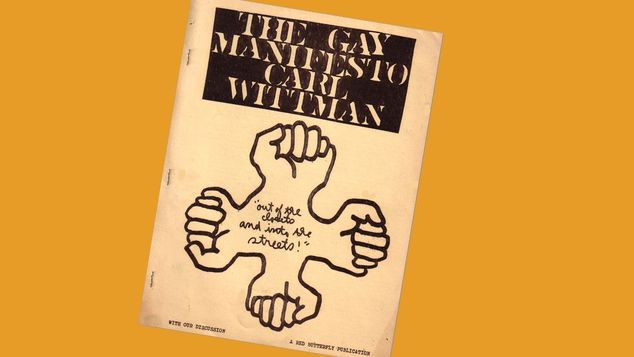
On this day in 1986, the influential gay rights activist and author Carl Wittman passed away. Wittman was renowned for his 1970 essay, A Gay Manifesto, which called for the establishment of a “gay community” and promoted direct action to secure LGBTQ+ rights. His writings and activism played a significant role in shaping the gay liberation movement during the 1970s.
Born in 1943, Wittman recognized his sexuality at the age of 14 but remained in the closet until the late 1960s. His coming out was marked by a significant article published in the anti-war magazine Liberation, which sparked a backlash from leftist circles he was part of. This negative response fueled his determination to advocate for LGBTQ+ rights, ultimately leading to the publication of his landmark essay in 1971, just after the pivotal Stonewall Riots of 1969.
Wittman’s activism included membership in the Gay Liberation Front and the Gay Activists Alliance. By the mid-1970s, he relocated to Oregon, where he and his partner, Allan Troxler, established a commune. Together, they published a zine called RFD (Radical Faerie Digest), which celebrated sexual freedom and nature.
In the early 1980s, Wittman co-founded the North Carolina Lesbian and Gay Health Project (LGHP) with colleagues including David Jolly and Aida Wakil. The project aimed to address and improve health services for sexual minorities in the state.
Wittman’s life ended tragically on this day in 1986. He was living with AIDS at the time and had been denied hospital treatment. Surrounded by friends, he took his own life, marking the loss of a significant figure in the fight for LGBTQ+ rights.
In a separate yet equally poignant remembrance, Billy Mackenzie, the co-founder and lead singer of Scottish band The Associates, also died on this day in 1997. Mackenzie’s music often explored themes related to his sexuality and identity. The band achieved notable success in 1982 with the track Party Fears Two.
Throughout his career, Mackenzie released four albums and a solo project titled Outernational in 1992. He publicly identified as bisexual in a 1994 interview, sharing his thoughts on gender identity as well. Tragically, he died by suicide, with depression and the recent death of his mother cited as contributing factors.
Mackenzie’s impact on music and culture continues to resonate. The British Electric Foundation (B.E.F) paid tribute to him by covering Party Fears Two. His legacy is further honored through posthumous releases of his work, including five additional solo albums.
The stories of both Carl Wittman and Billy Mackenzie reflect the struggles and triumphs of LGBTQ+ individuals in their respective fields. Their contributions to activism and the arts have left an indelible mark on society.
For those facing challenges with mental health, support is available from various organizations. Resources such as QLife and Lifeline offer confidential support for individuals in need.
In remembering these two influential figures, we recognize their lasting legacy in the ongoing fight for equality and acceptance.
