



































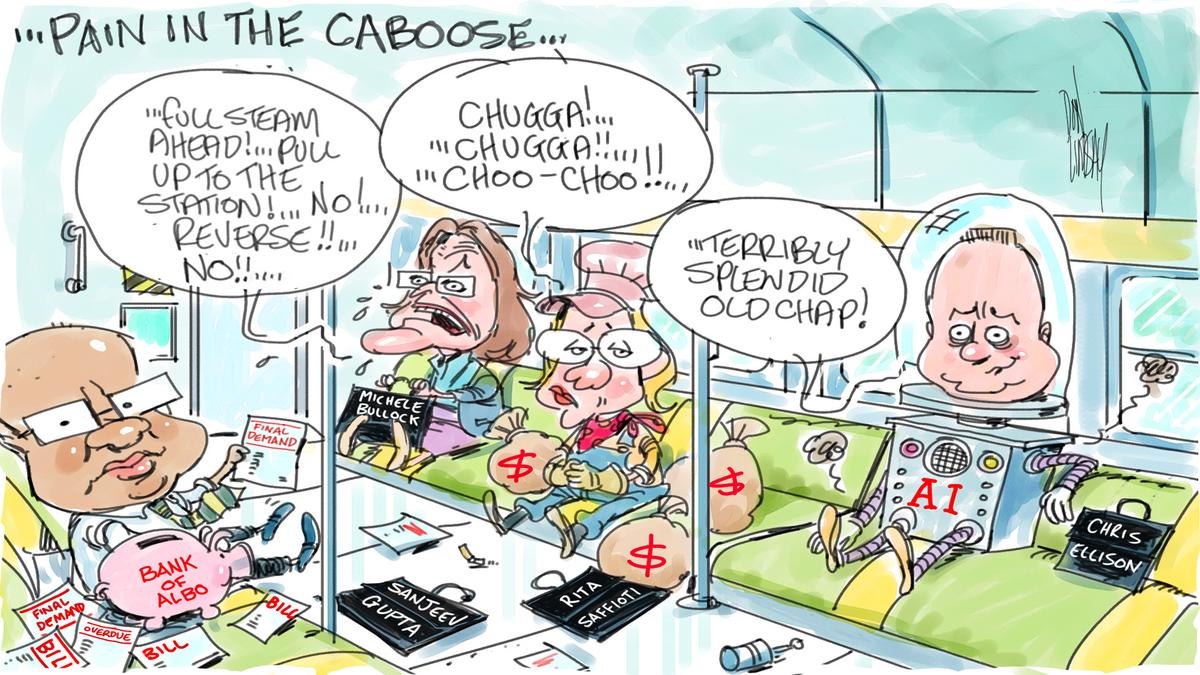
The Bull’s annual awards for 2025 have highlighted the Australian business landscape, showcasing both commendable achievements and notable missteps. This year’s selections include influential figures like Chris Ellison, Michele Bullock, Sanjeev Gupta, and Rita Saffioti, each making waves for various reasons that range from innovation to controversy.
Chris Ellison: The Royal Surprise
Chris Ellison, founder of Mineral Resources, has made headlines for both his business acumen and a peculiar audio glitch that occurred during a pre-recorded briefing in August. During the briefing, Ellison unexpectedly adopted a regal accent, leading to speculation that artificial intelligence software was responsible for the unusual occurrence. This incident added a touch of humor to an otherwise serious business environment, reminding us that even industry leaders can have their off moments.
Ellison’s reputation as an early adopter of technology and innovator of aggressive tax strategies keeps him at the forefront of the Terrace business scene. While his quirky moment garnered laughs, it contrasts sharply with the ongoing challenges in the mining sector, such as truck rollovers and operational risks.
Michele Bullock: A Cautious Stance on Interest Rates
Michele Bullock, Governor of the Reserve Bank of Australia, has been recognized for her unexpected decision to maintain interest rates in July, despite widespread predictions of a cut. This choice is now viewed favorably in light of rising inflation that followed. The market’s reaction highlights the unpredictable nature of economic forecasting, and Bullock’s approach challenges the conventional wisdom that often leads analysts astray.
In the months that followed, however, Bullock faced pressure as inflation and economic growth prompted discussions of further rate adjustments. Her initial decision may have been prudent, but the evolving economic landscape tests her resolve and foresight.
Sanjeev Gupta: Controversial Strategies
Billionaire industrialist Sanjeev Gupta, head of GFG Alliance, has been under scrutiny for his business practices, particularly surrounding the collapse of Whyalla Steelworks and Liberty Primary Metals Australia. Gupta’s operations came under the spotlight as more than $2 billion was promised by the government for a “green energy” rescue plan. While this funding aimed to stabilize the company and protect jobs, questions arise regarding the long-term viability of Gupta’s business model and his reliance on government support.
The timing of these events, coinciding with an impending Federal Election, raises concerns about the integrity of political support for failing businesses. Gupta’s ability to navigate these turbulent waters exemplifies how strategic lobbying can yield substantial financial benefits.
Rita Saffioti: Budget Overruns and Accountability
Treasurer Rita Saffioti has come under fire for significant budget overruns, particularly with the Byford rail extension project, which was initially projected to cost $291 million but ballooned to approximately $1.34 billion. This nearly fivefold increase has drawn criticism for its planning and execution. Saffioti has attributed past budget blowouts to external factors such as the pandemic and geopolitical events, but many see her explanations as insufficient.
Critics argue that the decision to construct a 1.5-kilometre viaduct through Armadale was a major contributor to the cost escalation, undermining the project’s intended public benefits. The disparity between projected and actual costs raises questions about transparency and fiscal responsibility within her office.
The Business Council of Australia: Tax Cut Dilemmas
The push for a major business tax cut by the Productivity Commission ignited a backlash among Australia’s elite, particularly the Business Council of Australia (BCA). After spending years advocating for lower corporate taxes to stimulate growth, a sudden shift in sentiment left many confused. The BCA’s response involved frantic communication with media outlets, highlighting the self-serving nature of these lobbying efforts.
Danielle Wood, an economist involved in the tax reform discussion, faced backlash for proposing to fund tax cuts through a levy on super profits rather than cuts to essential services. The BCA’s analysis of the proposed reform suggested a potential economic downturn, but the model mistakenly assumed an increase in company tax rates, further complicating the discourse.
As the debate unfolds, the Chamber of Minerals and Energy also expressed its discontent, branding the tax proposal an “attack on WA.” This characterization reflects broader tensions regarding resource management and economic policy in Western Australia.
The Bull’s awards for 2025 serve as a mirror to the complexities of Australia’s business environment, where innovation coexists with controversy, and the actions of a few can significantly impact the many. As these leaders navigate their respective challenges, the implications of their decisions will resonate throughout the economy and society for years to come.
