



































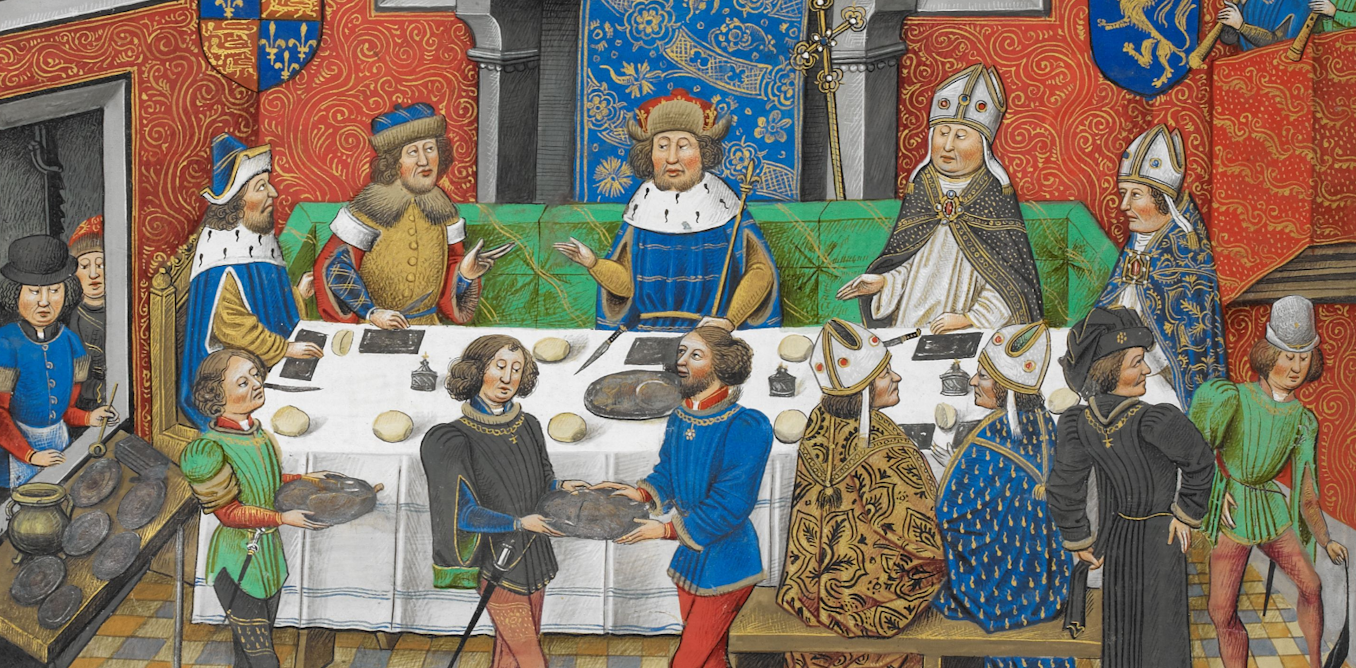
The fork, an essential piece of cutlery today, was once a controversial utensil that faced resistance and ridicule across Europe. Its transformation from a symbol of scandal to a dining staple spans centuries, involving royal connections and cultural exchanges that shaped eating habits as we know them.
Early Origins and Cultural Resistance
The history of the fork traces back to ancient civilizations, with early versions discovered in Bronze Age China and Ancient Egypt. These utensils were primarily used for cooking and serving rather than personal dining. The Romans also crafted elegant forks from bronze and silver, but the concept of eating with a fork was almost unheard of.
By the 10th century, the Byzantine elite embraced forks, shocking Western European guests accustomed to eating with their hands. A notable incident occurred in 1004 when Maria Argyropoulina, sister of Emperor Romanos III, married a Venetian noble and created a scandal by refusing to eat with her fingers, opting instead for a golden fork. This choice sparked criticism from theologian Peter Damian, who attributed her premature death to her “vanity” in using what he deemed an unnatural utensil.
Despite the initial backlash, by the 14th century, forks gained popularity in Italy, especially with the rise of pasta, which was difficult to manage with a spoon or knife. This culinary shift among the affluent merchant class set the stage for the fork’s introduction to the rest of Europe.
Royal Influences and Culinary Evolution
The journey of the fork took a significant turn with the marriage of Bona Sforza to Sigismund I, king of Poland, in 1518. Coming from the influential Sforza family of Milan, Bona introduced Italian dining customs to the Polish court, where the use of forks was virtually unknown. Initially, forks were reserved for formal occasions, but their presence began to influence dining practices in Lithuania and Poland, particularly among the nobility.
Similarly, Catherine de’ Medici, who married into the French royal family in 1533, played a pivotal role in popularizing forks and Italian culinary traditions in France. Her dowry included not only exquisite tableware but also a cadre of chefs who transformed court meals into theatrical displays. While the historical impact of her culinary influence is often exaggerated, many dishes now regarded as French can trace their roots to her Italian heritage.
As the 17th century progressed, forks began to gain acceptance across Europe. This was particularly evident in England, where early 17th-century travelers like Thomas Coryat brought tales of fork-using Italians back home. However, utilizing a fork remained a sign of pretentiousness for many in England, who preferred the straightforwardness of eating with knives and fingers.
By the 19th century, the mass production of stainless steel cutlery made forks widely accessible. As forks became a symbol of refinement and cleanliness, etiquette manuals began to emerge, advising proper usage techniques. The focus shifted from whether to use a fork to how to use it correctly, with guidelines emphasizing that it should be held tines down and never used for scooping.
The fork’s journey from a controversial utensil to a ubiquitous dining tool illustrates the complex interplay of culture, class, and culinary evolution. Today, it is hard to imagine dining without this once-scandalous instrument that has ultimately shaped our eating habits across the globe.
