



































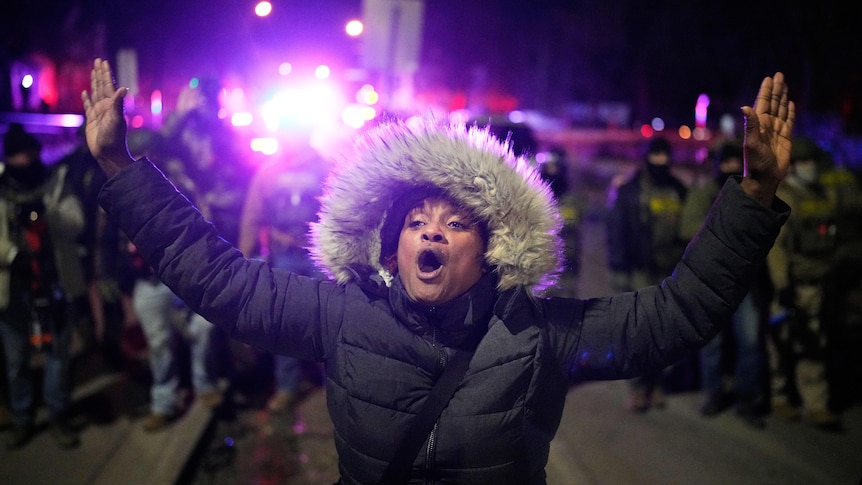
Donald Trump has threatened to invoke the Insurrection Act in response to ongoing protests in Minneapolis, Minnesota, where public anger is escalating due to two recent shootings connected to immigration enforcement actions. These protests have been largely aimed at the Immigration and Customs Enforcement (ICE) agency, highlighting community frustrations over immigration policies and their ramifications.
The president’s potential move would grant him the authority to deploy troops to restore order in the city. This consideration arises as tensions have surged in the wake of the shootings, which protesters claim are indicative of broader issues related to immigration enforcement. The protests, which have drawn significant local attention, have been marked by calls for justice and a reevaluation of current immigration policies.
Background of the Protests
The demonstrations began following incidents where individuals were shot during immigration enforcement operations. Activists argue that these violent encounters reflect systemic issues within the enforcement methods used by ICE. Community leaders and local residents have voiced their concerns, demanding accountability and changes in policy.
On August 1, 2023, a protest resulted in clashes between law enforcement and demonstrators, leading to heightened tensions in the area. The community’s response has included not only protests but also discussions about how immigration enforcement impacts public safety and community relations. Many residents argue that aggressive tactics used by ICE have led to fear and mistrust among immigrant communities.
Trump’s Response and Implications
In a series of statements, Trump emphasized his administration’s commitment to law and order, stating that he would not tolerate violence stemming from protests. His suggestion to invoke the Insurrection Act, a law that allows the federal government to deploy military forces during civil disturbances, has sparked debate about the appropriateness of such measures.
According to legal experts, invoking the Insurrection Act could lead to significant repercussions, including potential public backlash and challenges in its implementation. Critics argue it may escalate rather than resolve tensions, while supporters believe it could restore order in a rapidly destabilizing situation.
The idea of deploying troops also raises questions about the role of the National Guard and local law enforcement. Historically, the use of military forces in civilian situations has been controversial, with civil rights advocates cautioning against potential abuses of power.
As the situation in Minneapolis continues to evolve, local leaders are calling for dialogue and peaceful resolution rather than military intervention. The coming days will likely see further developments as both community members and federal officials navigate this complex and charged environment.
In summary, Trump’s threat to invoke the Insurrection Act reflects the heightened tensions in Minneapolis over immigration enforcement and the impact of recent violence on community relations. The unfolding events will determine whether military intervention occurs or if alternative measures will be pursued to address the concerns of the community.
