



































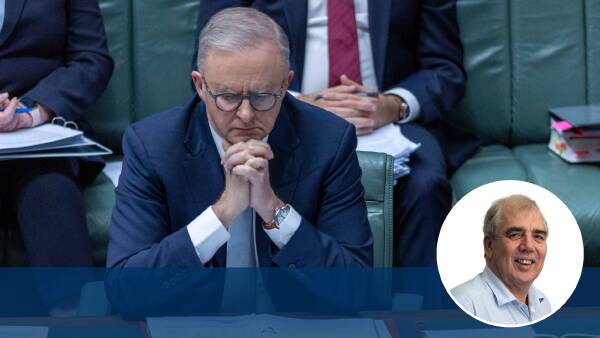
Prime Minister Anthony Albanese is under increasing pressure to establish a federal royal commission following the Bondi massacre that occurred in October 2023. Critics, including political opponents and community leaders, have raised concerns about his decision to resist calls for a comprehensive inquiry into the incident, which has left many questioning the government’s accountability and responsiveness to public safety.
Several high-profile figures, including former treasurer Josh Frydenberg and former Prime Minister John Howard, have criticized Albanese’s handling of the situation. Their remarks suggest a perception that the Prime Minister is attempting to deflect responsibility for the tragedy, which has only intensified calls for transparency and accountability. The Bondi massacre, which resulted in multiple fatalities, has sparked widespread outrage and demands for more effective governmental action against rising anti-Semitic sentiments.
Despite the political backlash, Albanese appears to be pursuing a strategy that includes addressing the criticisms directed at him while simultaneously attempting to control the narrative surrounding the massacre. Critics argue that his reluctance to launch a royal commission serves to heighten suspicions that the government may be trying to cover up important facts about the incident.
Royal commissions in Australia serve critical functions, including uncovering the truth behind significant events and providing a platform for public testimony. They often involve rigorous cross-examination of evidence and allow victims and witnesses to share their experiences. The current situation demands a comprehensive inquiry that evaluates the actions of various governmental and security agencies, including the Australian Security Intelligence Organisation (ASIO) and the Australian Federal Police (AFP).
Albanese’s current approach raises concerns that a private inquiry, led by a security insider, may not provide the necessary depth or public trust. Dennis Richardson, who has been appointed to lead this inquiry, is expected to assess the actions of intelligence agencies. However, critics argue that his findings may lack the authority to address the broader political and social implications of the massacre.
One critical aspect of royal commissions is their role in giving victims and the public a voice. By allowing individuals affected by the tragedy to recount their experiences, these inquiries help to document the societal impact and contribute to a collective understanding of the events. Critics emphasize that the public has a right to know what happened and why, especially in the context of rising tensions surrounding racial and religious issues in Australia.
The political landscape surrounding the Bondi massacre has become increasingly charged, with various groups advocating for law reform and a reassessment of national security policies. Albane’s strategy of absorbing criticism may be an attempt to foster unity and promote national reconciliation. However, many believe that merely accepting blame does not alleviate public anxieties. Instead, a thorough investigation is needed to restore confidence in government institutions.
As the situation continues to evolve, it remains unclear how Albanese will respond to the mounting pressure for a royal commission. Some suggest that the government may be reluctant to proceed with an open inquiry due to fears of exposing significant gaps in counter-terrorism strategies and intelligence failures. The implications of such disclosures could have profound effects on public safety and governmental credibility.
In addition, the Prime Minister’s past decisions, such as the controversial establishment of the Home Affairs department, have drawn scrutiny. Originally created under former Prime Minister Malcolm Turnbull, the Home Affairs portfolio aimed to centralize various security agencies under one minister, a move that has been criticized for prioritizing political expedience over effective governance.
As public demand for accountability grows, Albanese may need to confront the uncomfortable reality that a lack of transparency could undermine his administration’s legitimacy. The ongoing discourse surrounding the Bondi massacre reflects broader societal tensions, and the government must navigate these complexities with care.
In conclusion, the Bondi massacre has amplified calls for a royal commission, with numerous stakeholders advocating for transparency and accountability. Prime Minister Albanese faces a pivotal decision that could shape the future of his government and the trust of the Australian public. As the inquiry progresses, it will be crucial for the government to address the legitimate concerns of affected communities and ensure that the lessons learned from this tragedy are not overlooked.
