



































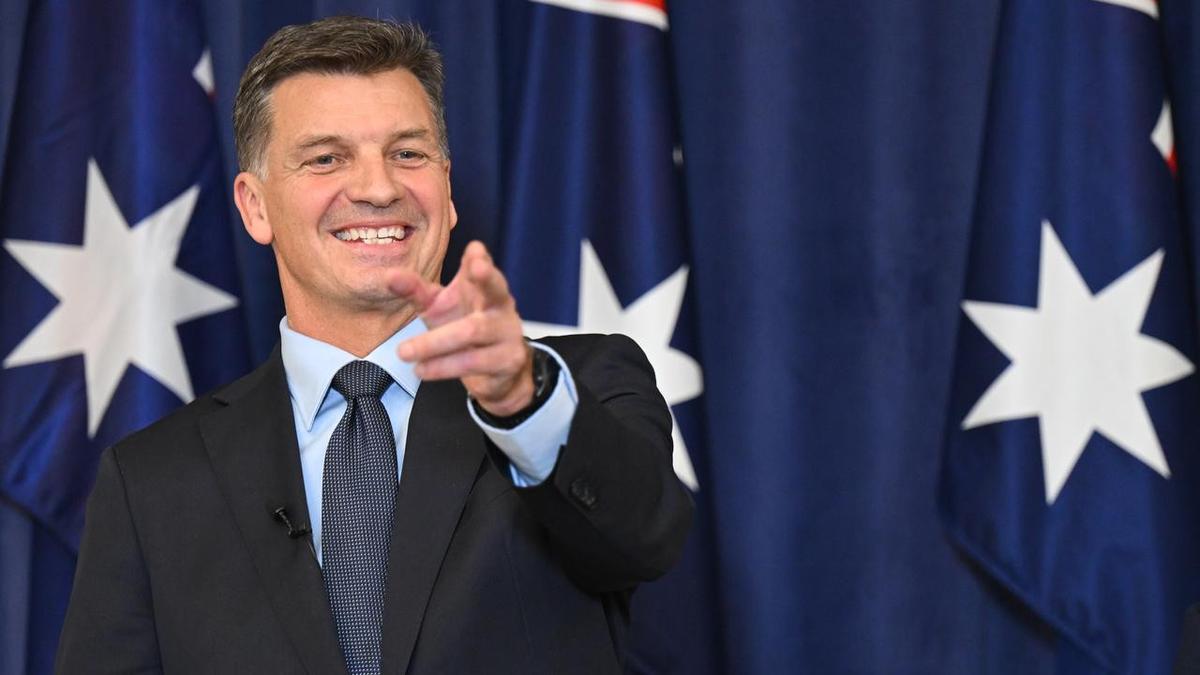
The Australian Liberal Party is poised for a significant transformation as new Opposition Leader Angus Taylor prepares to unveil a revamped front bench. This change follows the ousting of the party’s first female leader, Sussan Ley, amid a backdrop of internal conflict and shifting political dynamics. Taylor’s early days in leadership have been marked by a clear signal of a rightward shift, with a renewed focus on issues including immigration.
In the coming days, Taylor is expected to announce key policy initiatives alongside the introduction of prominent figures such as exiled conservatives Andrew Hastie and Jacinta Nampijinpa Price. These members, praised by Taylor as “magnificent,” had previously exited the front bench due to controversies surrounding immigration policies. Taylor has emphasized a commitment to implementing stricter immigration measures, stating that the current intake levels under the Labor government are unsustainable.
“The (migration) numbers under Labor have been just extraordinary – way beyond what this country can absorb,” Taylor remarked. He has expressed intentions to reduce the number of migrants entering Australia and to enhance screening processes. “Standards have been too low, numbers have been too high, and we haven’t explicitly shut the door on people who reject our way of life,” he added. A comprehensive policy announcement is anticipated shortly.
Polls indicate a challenging landscape for the Liberal Party, as the first survey conducted since Taylor assumed leadership shows the Labor Party with a primary vote of 32 percent, while both One Nation and the coalition are tied at 23 percent. This poll, conducted by Resolve among 1,800 participants from February 8 to February 11, highlights a slight edge for Taylor, with his leadership showing a three percentage point advantage over Ley.
Former senior immigration official Abul Rizvi noted that Taylor’s tough stance on immigration appears to be a strategic response to One Nation’s rising popularity. “He reads the polls as closely as anybody,” Rizvi stated. He also pointed out that Australia has maintained robust character requirements for migrants, which have been further refined by anti-hate crime legislation enacted after the Bondi terror attack.
Rizvi highlighted that the Labor government had made adjustments to the previous coalition administration’s policies on student and working holiday visas, which had led to a significant increase in migration during 2022-23. “Mr. Taylor may have forgotten his government also introduced fee-free student visa applications and fee-free working holiday maker applications,” he remarked.
In addition to immigration reform, Taylor and Deputy Leader Jane Hume have reiterated their commitment to lowering taxes, addressing housing affordability, and moving away from an “ideological approach” to energy policies. Hume emphasized the necessity for Australia to maintain an “open-minded” stance on nuclear energy as part of broader efforts to reduce emissions and lower energy costs.
As the Liberal Party navigates these changes, the approach taken by Taylor and his team will be closely scrutinized by both supporters and critics alike. The upcoming policy announcements will likely play a critical role in shaping the party’s direction and electoral prospects in the months ahead.
