



































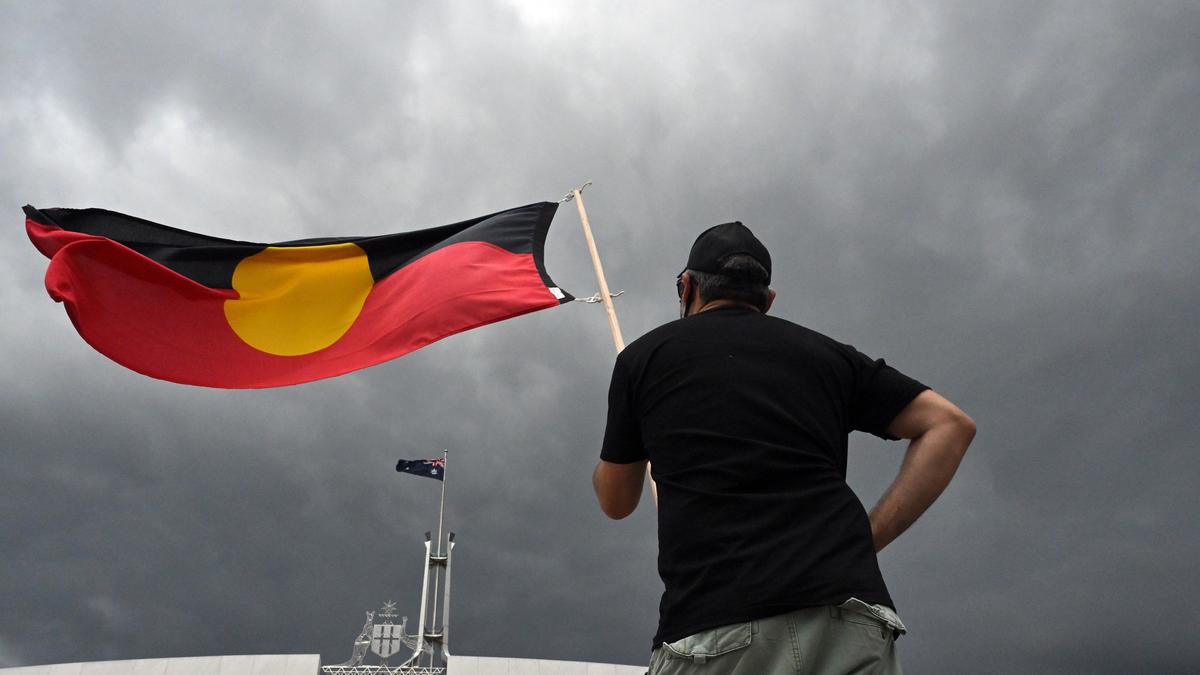
Australia Day continues to ignite discussions across Perth regarding the timing of citizenship ceremonies. With the City of Fremantle opting for a date shift away from January 26, a contrast emerges as several councils, including those in Joondalup and Mandurah, plan to hold their events on the traditional date.
Fremantle will host its first of four citizenship ceremonies on January 29, 2024, reflecting its commitment to respect Indigenous Australians. According to Fremantle Mayor Ben Lawver, the decision allows the city to choose a date that aligns more closely with community values. “Our city has been leading the conversation on reconciliation for many years now,” Lawver stated, emphasizing the importance of acknowledging the implications of January 26, a date some refer to as “Invasion Day.”
The ongoing debate over the appropriateness of January 26 stems from its historical significance, marking the arrival of the First Fleet at Sydney Cove in 1788. In response to this controversy, the Federal Government amended legislation allowing councils to conduct citizenship ceremonies three days before or after Australia Day.
In contrast, Joondalup Mayor Daniel Kingston confirmed that his city would proceed with its ceremony on January 26. He remarked, “Whilst the Federal Government decides that January 26 will continue to be the date for Australia Day, the city will hold the event on this day.” Mandurah’s Mayor Amber Kearns echoed this sentiment, stating, “This Australia Day, I’m excited to celebrate some amazing local Australians through our Citizen of the Year awards. We’ll also welcome more than 80 new Australians at our citizenship ceremony.”
The City of Perth will also observe January 26 with its annual celebrations, which will include a 30-minute drone and fireworks display starting at 20:30. The events aim to foster community spirit amid ongoing discussions about the national identity.
The significance of this year’s Australia Day has been heightened by recent events. Basil Zempilas, the WA Liberal leader, called it “the most important Australia Day this century.” He asserted that coming together to celebrate national unity is crucial, especially following the tragic Bondi incidents. Zempilas criticized the Federal Government’s decision to allow flexibility on ceremony dates, stating, “The essence of our national day is coming together, not pushing us apart.”
In a show of support for Australia Day events, Patrick Gorman, Assistant Minister to the Prime Minister, announced a financial commitment of $10 million for a record number of celebrations planned for 2026. “Australia Day is about the story of who we are as a nation and who we aspire to be,” he remarked, reinforcing the need for ongoing dialogue about the day’s significance.
As the January 26 date approaches, the differing approaches to Australia Day celebrations highlight the complexities of national identity and reconciliation in Australia.
