



































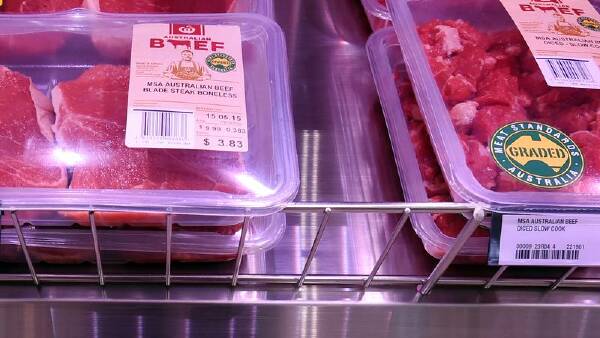
Australia faces a potential loss of over $1 billion annually following China’s announcement of a 55% tariff on beef imports exceeding certain quotas. This move, aimed at protecting local farmers in China, affects Australia’s export capacity significantly, with the country allocated a mere 205,000 tonnes of China’s total 2.7 million tonnes quota for 2026.
The tariffs have raised concerns among Australian beef exporters, who argue that this decision contradicts the 2015 Free Trade Agreement between Australia and China. According to Trade Minister Don Farrell, Australian officials have communicated to their Chinese counterparts that the tariffs are unwarranted. “We have made it clear to China that Australian beef is not a risk to their beef sector, and that we expect our status as a valued free trade agreement partner to be respected,” he stated.
The Australian government, under Prime Minister Anthony Albanese, has expressed serious concerns regarding the implications of this tariff increase. Agriculture Minister Julie Collins emphasized the government’s commitment to support local farmers and the beef industry. “We will always stand up for our farmers and producers,” she said.
Industry groups, including Cattle Australia and the Australian Meat Industry Council, predict that these restrictions could slash Australia’s beef exports to China by nearly one-third compared to 2025 levels. This downturn would translate into a significant revenue loss, impacting many stakeholders across the beef supply chain.
CEO of Casino Food Company, Simon Stahl, highlighted the importance of the Chinese market for Australian businesses, noting it represents about a quarter of his company’s annual revenue, approximately $100 million. He expressed skepticism that Chinese importers would absorb the costs associated with the tariffs and suggested they would seek alternatives in markets like the United States, where beef prices are lower. “That’s not going to be good for anyone,” Mr. Stahl remarked during an interview with ABC TV.
In light of these developments, opposition leader Sussan Ley has urged Prime Minister Albanese to leverage his relationship with Chinese President Xi Jinping to negotiate an exemption from the new tariffs. Ley’s appeal underscores the importance of international relationships in navigating trade disputes.
As Australia grapples with the fallout from China’s tariff implementation, the future of its beef exports hangs in the balance, presenting both challenges and opportunities for farmers and exporters alike. The government remains committed to advocating for the agricultural sector while navigating the complex landscape of international trade relations.
